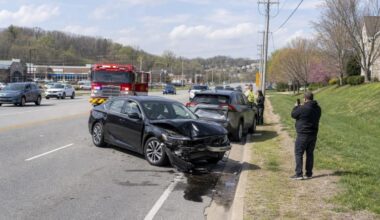
A bicycle crash can happen in an instant, but the legal issues that follow may take much longer to resolve. Determining what happened is only the first step; establishing how the crash occurred and who may be responsible can be far more challenging. Conflicting accounts from drivers and cyclists, insurance concerns, medical expenses, and missing or difficult-to-obtain evidence can all complicate a claim.
The situation may become more challenging when the cyclist is accused of contributing to the crash. For someone injured in a bicycle accident, questions about responsibility and available evidence can significantly affect the legal process. Several common legal challenges can make these claims more difficult to pursue.
1. Establishing Who Caused the Accident
Fault is often one of the first issues raised after a bicycle crash. A cyclist may believe a driver failed to yield, made an unsafe turn, drove while distracted, or ignored a traffic signal. The driver may tell a different story. Sometimes, both sides provide different accounts of the same event.
The available evidence can help sort through these disagreements. Police reports, photographs of the road, vehicle damage, bicycle damage, witness statements, and traffic records may all provide useful information. The condition of the road and the location of the vehicles may also matter. A clear record of what happened can become important if fault is disputed.
2. Proving Driver Negligence
Being hurt does not automatically establish that another person is legally responsible. A claim may involve questions about what the driver did, what the cyclist was doing, and whether the driver’s conduct failed to meet the required standard of care.
For example, a driver may have been changing lanes, turning across a bike lane, opening a vehicle door, or entering an intersection. Each situation can raise different questions about responsibility. Evidence must connect the driver’s conduct to the accident and resulting harm.
Disagreements can arise if there are no witnesses or if the available evidence does not clearly support one version of events. That can make an otherwise straightforward accident much harder to evaluate.
3. Dealing With Insurance Companies
Insurance can bring another layer of difficulty. A cyclist may need to deal with the insurance company for the driver involved in the crash. Depending on the circumstances and applicable coverage, other insurance may also become relevant.
Insurance companies may ask for accident details, medical records, bills, and other documents. Questions can also arise about who caused the crash and how much the injuries have affected the cyclist.
A cyclist may feel that the damage is obvious, but an insurer may look closely at the records before deciding how to handle a claim. Delays, requests for more information, or disagreements about responsibility can make the process frustrating.
4. Proving the Full Value of the Claim
Medical treatment is often the most visible cost after a bicycle accident, but it may not be the only loss connected to the crash. A person may also face follow-up appointments, rehabilitation costs, missed work, or damage to the bicycle and other equipment.
Keeping clear records can help show the financial effect of the accident. Useful documents may include medical bills, treatment records, wage information, repair estimates, and receipts for accident-related expenses.
The condition of the injury can also change over time. Some injuries require continued care, which can make it difficult to assess the complete financial impact early in the process.
5. Preserving Evidence After the Crash
Evidence does not always stay available. A security camera may record an area for only a limited period. A damaged bicycle may be repaired before photographs are taken. Road conditions can change, and witnesses may become difficult to contact.
Important evidence may include:
- Photographs of the accident scene and injuries
- Images of bicycle and vehicle damage
- Contact details for witnesses
- Police or incident reports
- Medical records and bills
- Available video footage
Collecting and keeping these records can provide a clearer record of the accident and the losses that followed.
6. Dealing With Shared Responsibility
A cyclist can also face claims that their own actions contributed to the accident. Someone may argue that the cyclist was not following a traffic rule, was difficult to see, or acted in a way that contributed to the crash.
These disputes can become important because state laws may address shared responsibility differently. The effect of a finding of fault can depend on the facts and the law that applies to the claim.
For that reason, responsibility may not always be as simple as deciding which person made the biggest mistake. The actions of everyone involved may need to be considered.
Sum Up!
A bicycle accident claim can involve far more than proving that someone was hurt. Fault, negligence, insurance, financial losses, missing evidence, shared responsibility, and legal deadlines can all affect how a claim develops.
For someone injured in a bicycle accident, having clear records and a complete understanding of the circumstances can make the issues easier to assess. Each claim has its own facts, and the legal rules can vary by state. Careful attention to the details can help keep the focus on what actually happened and what evidence supports the claim.