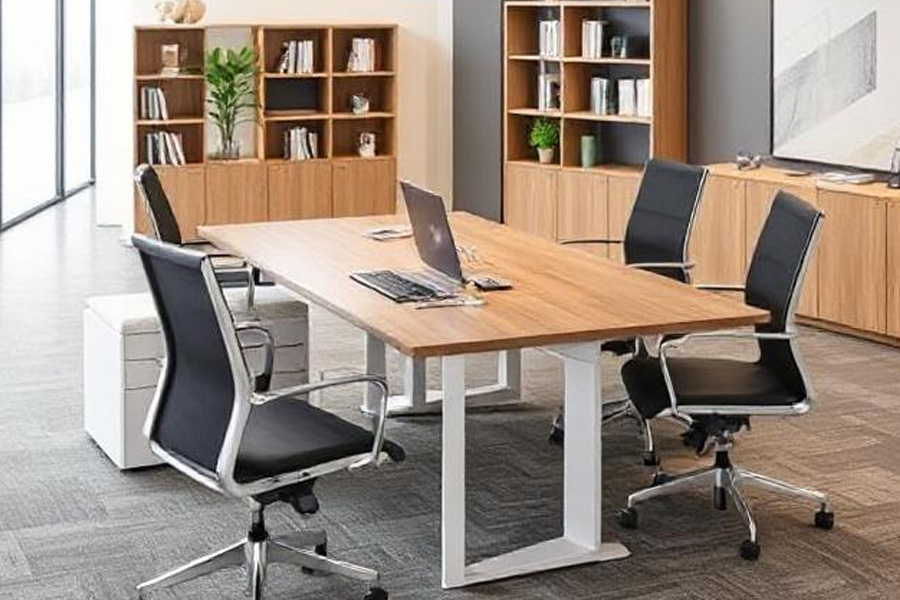
Picking office furniture is not just about looks. It changes how your team feels every single day. A bad chair can turn a great worker into a tired one by 2pm. Good office furniture in Australia does the opposite. It holds your body the right way, keeps your desk useful, and lasts for years without falling apart. Australia’s office furniture market sits near two billion dollars right now, and it keeps climbing every year. That tells you something real. Businesses are spending serious money on this because it works and it pays them back. This guide breaks down what to check before you buy a single piece.
What Should You Check First?
Start with the chair. You sit in it more than any other item in the office. Look for a seat that moves up and down, arms that move too, and back support that pushes into your spine the right way. Check for an AFRDI tick too. That’s an Australian tag proving the chair passed real safety and strength tests, not just a nice sales pitch. A desk matters just as much. Pick one with a height range wide enough for your tallest and shortest staff member. Warranty length says a lot. Five years or more usually means the maker trusts their own build.
What’s On Your Checklist?
Before you spend a single dollar, run through this list. It saves you from buying twice.
- Desk height range that fits everyone on the team, not just the average person
- A chair with lumbar support and a seat pan that slides forward and back
- Storage that locks, for records, contracts, and personal items
- Enough space between desks so people can walk without knocking a chair
- A surface material that survives spills, scratches, and daily wear
- A supplier who offers a written warranty, not just a receipt
What Do the Numbers Say?
Australia’s office furniture market was worth close to two billion dollars in 2025. It is on track to pass three billion within the next decade. Chairs alone make up more than a third of that spend, the single biggest category in the market. Wood based pieces make up almost half of everything sold. None of this spending is random. Businesses swap out old, tired furniture because it hurts output in ways owners can measure. Safe Work Australia links poor workstation setup to tens of thousands of injury claims every year, with a median payout above thirteen thousand dollars per claim. Good furniture costs far less than that number.
Which Furniture Type Does What?
| Furniture Type | Main Job | Why It Matters |
| Desks | Gives each person a steady work zone | Wrong height causes neck and wrist strain over time |
| Chairs | Holds your spine and hips in the right spot | Linked to most workplace ergonomic injury claims in Australia |
| Storage | Keeps files and gear locked and out of sight | Cuts the clutter that slows down daily focus |
| Workstations | Joins single desks into a shared layout | Shapes how your whole team talks and moves |
Why Local Standards Matter
Look for AS/NZS 4443 on the product tag. That is the Australian flammability standard built for commercial furniture, and skipping it is a real risk, not a small paperwork detail. Cheap imported pieces sometimes skip this step to cut cost. That saves money today and costs more later, through repairs, replacements, or a failed safety audit. Buy from a supplier who can show you the compliance paperwork the moment you ask. It is a two minute question that protects your whole office for the next ten years.