Exterior doors face constant exposure to sunlight, humidity, rain, dust, and everyday household activity. Over time, these conditions can affect their appearance, hardware, seals, and overall operation. Regular maintenance helps homeowners identify minor concerns before they develop into more complicated problems.
Impact Doors are designed as protective exterior systems, but their performance still depends on appropriate care. Hinges, locks, frames, weatherstripping, and glass components require different types of attention. Understanding these requirements allows homeowners to maintain their doors without using unsuitable cleaning products or making unnecessary adjustments.
A practical maintenance routine begins with observing how the entrance functions during normal use. National Glass & Construction can help property owners understand relevant product requirements and recognize situations that deserve professional evaluation. Consistent attention supports reliable operation while helping preserve the door’s appearance and intended protective characteristics.
Why Exterior Door Maintenance Matters
Exterior doors experience repeated movement and exposure to changing environmental conditions. Daily opening and closing place demands on hinges, handles, locks, and other mechanical components. Moisture and airborne debris can also accumulate around frames and thresholds.
Small maintenance concerns may initially seem harmless. However, a sticking latch or deteriorating seal can become increasingly inconvenient when left unaddressed.
Routine inspection helps homeowners notice changes early. This approach supports dependable operation without requiring complicated maintenance procedures.
Cleaning Door Surfaces Without Causing Damage
Door finishes vary according to material, coating, and manufacturer specifications. Some surfaces tolerate mild cleaning solutions, while others require particular products or techniques. Abrasive chemicals can damage protective finishes and create permanent discoloration.
Homeowners should remove loose dirt before wiping exterior surfaces. A soft cloth and manufacturer-approved cleaner are generally preferable to harsh scrubbing.
Pay Attention to Cleaning Product Compatibility
Products containing strong solvents or abrasive particles may affect coatings and surrounding components. Cleaning instructions should be reviewed before applying unfamiliar substances. Testing an approved product according to manufacturer guidance helps reduce unnecessary risks.
Inspecting Hinges for Smooth Operation
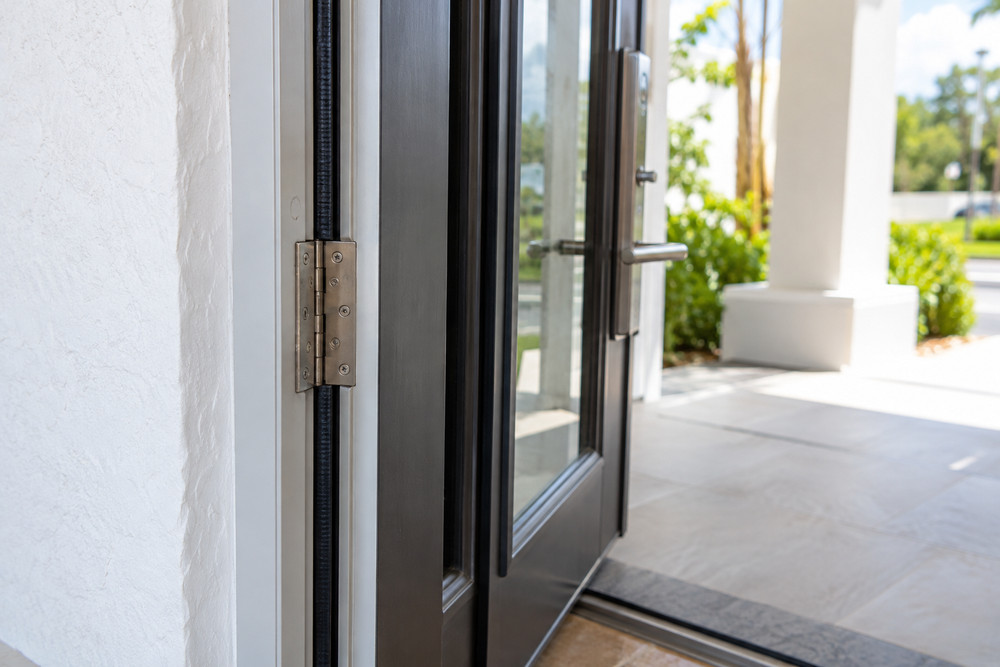
Hinges support the door’s weight and allow controlled movement. Repeated use, environmental exposure, and accumulated debris can influence their operation. Unusual noises or increasing resistance may indicate that inspection is necessary.
Homeowners can observe whether the door opens smoothly without scraping nearby surfaces. Visible corrosion, loose components, or shifting alignment deserve attention.
Lubrication should follow manufacturer recommendations because different hinge designs require different maintenance. Applying unsuitable products can attract dirt or interfere with component performance.
Maintaining Locks and Door Handles
Locks and handles are essential components of exterior entrance security. Their condition affects both convenience and the ability to secure the doorway properly. Frequent use may gradually reveal stiffness, looseness, or inconsistent engagement.
Homeowners should periodically test locking mechanisms during ordinary operation. A latch that requires excessive force may indicate alignment or hardware concerns.
National Glass & Construction can provide relevant guidance concerning Impact Doors and their maintenance requirements. Mechanical problems should be evaluated before homeowners attempt adjustments that could affect security.
Understanding Weatherstripping and Its Purpose
Weatherstripping helps limit unwanted air and moisture movement around closed doors. These flexible components experience compression, friction, and environmental exposure during everyday use. Over time, they may become worn, displaced, or damaged.
A visual inspection can reveal cracking, gaps, or sections that no longer sit correctly. Homeowners may also notice drafts around an otherwise closed entrance.
Recognizing When Seals Need Attention
Weatherstripping should make appropriate contact without preventing normal door operation. Replacement materials must be compatible with the specific system. Improvised sealing products may interfere with closing, drainage, or approved performance characteristics.
Preventing Moisture Problems Around Door Frames
Rainwater and humidity can affect exterior door surroundings, particularly where drainage or sealing conditions are compromised. Persistent moisture may contribute to staining, corrosion, or deterioration of adjacent materials. Identifying the source matters more than covering visible symptoms.
Homeowners should inspect frame edges and nearby finishes for unusual discoloration. Water accumulation around thresholds also deserves investigation.
Avoid applying additional sealant without understanding the door’s drainage design. Blocking intended drainage paths can create problems rather than prevent them.
Caring for Glass Panels and Glazing Components
Some exterior doors incorporate laminated glass within their protective assemblies. These panels require appropriate cleaning methods that preserve surrounding seals and finishes. Scrapers, abrasive pads, and incompatible chemicals should be avoided unless specifically permitted.
Cleaning should include gentle attention to accessible glass edges and adjacent frame surfaces. Visible cracks, unusual movement, or damaged glazing components require professional assessment.
Homeowners should never attempt to dismantle protective glazing assemblies themselves. Their components are designed to function together as a complete system.
Identifying Early Signs of Corrosion
Coastal environments and humid conditions can accelerate corrosion on susceptible metal components. Hinges, fasteners, hardware, and exposed fittings may develop visible changes over time. Surface discoloration can sometimes indicate a developing maintenance concern.
Regular cleaning helps remove accumulated dirt and potentially corrosive deposits. However, cleaning alone cannot correct structural deterioration.
Homeowners should follow material-specific maintenance instructions. Severely affected components may require evaluation and approved replacement rather than cosmetic treatment.
Checking Door Alignment and Closing Performance
A properly functioning exterior door should move and close according to its design. Scraping, uneven gaps, or repeated difficulty engaging the latch may indicate alignment concerns. These symptoms can develop from hardware wear or changes in surrounding conditions.
Homeowners can observe whether problems occur consistently or only during particular circumstances. Recording these details may assist professional evaluation.
Impact Doors should not be forcibly adjusted without understanding their approved hardware and installation requirements. Incorrect modifications could compromise operation or protective performance.
Keeping Thresholds and Tracks Clean
Door thresholds frequently collect sand, dust, leaves, and other outdoor debris. Sliding configurations may also have tracks that require regular attention. Accumulated material can interfere with smooth movement or drainage.
Homeowners should remove loose debris using suitable tools that will not damage finishes. Accessible drainage features should be maintained according to manufacturer instructions.
Avoid Blocking Designed Drainage Paths
Some door systems incorporate channels that manage incidental water. These openings should not be sealed simply because they appear to be gaps. Product documentation helps distinguish intended features from actual defects.
Protecting Finishes From Environmental Exposure
Strong sunlight and frequent moisture exposure can gradually affect exterior finishes. The degree of change depends on material, coating quality, orientation, and local conditions. Routine inspection helps identify fading, peeling, or other visible deterioration.
Homeowners should avoid applying paints or protective coatings without confirming compatibility. Unauthorized refinishing may affect manufacturer warranty conditions.
Appropriate cleaning and prompt attention to damaged finishes support long-term appearance. Product-specific recommendations remain the most reliable reference.
Knowing When Professional Service Is Necessary
Routine cleaning and visual inspection are different from mechanical repairs. Damaged hinges, defective locks, compromised glazing, and significant alignment problems may require qualified service. Attempting complex repairs without appropriate knowledge can create additional risks.
National Glass & Construction can be contacted about relevant door concerns and available service options. Homeowners should retain product documentation and warranty information for reference.
Professional evaluation is particularly important when a problem may affect security or intended storm protection. Maintaining approved components helps preserve system integrity.
Building a Consistent Maintenance Routine
Effective maintenance does not require homeowners to dismantle their doors or perform complicated repairs. Regular observation, gentle cleaning, and attention to unusual changes provide a practical starting point. The appropriate frequency depends on exposure, usage, and manufacturer guidance.
A useful routine includes checking hardware operation, examining seals, cleaning accessible surfaces, and looking for moisture concerns. Any developing problems should be documented before they worsen.
Proper care supports reliable operation and helps homeowners protect their investment. By following product instructions and seeking qualified assistance when necessary, exterior doors can remain functional, attractive, and dependable throughout their service life.