A soggy yard can look harmless at first. Maybe you notice puddles after a storm, soft patches near the fence, or mulch drifting like it has somewhere better to be. In Belleair, where heavy rain and coastal conditions can push water exactly where you don’t want it, small drainage issues can turn into costly repairs fast. If you catch the warning signs early, you can protect your lawn, foundation, and patience.
Water That Sticks Around Longer Than It Should
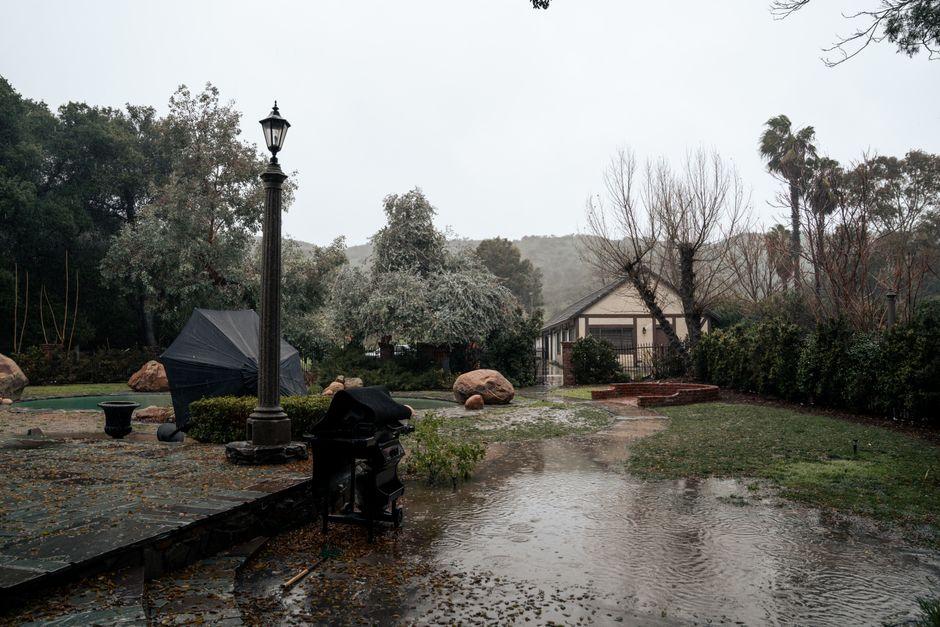
A healthy yard doesn’t need to dry instantly after rain, but it also shouldn’t stay swampy for days. If water sits in the same spots long after the sky clears, your drainage is probably underperforming.
Watch for these signs:
– Puddles that remain 24 to 48 hours after rain
– Squishy grass in low spots
– Bare patches where turf keeps dying off
– Mosquito activity increasing near standing water
Belleair properties often deal with intense rainfall in short bursts, which puts extra pressure on grading and runoff systems. If your lawn keeps collecting water near patios, walkways, or planting beds, it may be time to look into yard drainage services in Belleair before the issue spreads. A drenched yard rarely fixes itself out of sheer determination.
Soil Erosion and Mulch Movement Are Quiet Red Flags
Not every drainage problem announces itself with a giant puddle. Sometimes the clue is movement. Soil that washes away, exposed roots, and mulch that shifts after every storm all point to water flowing too fast or in the wrong direction.
You might notice:
– Small trenches forming along slopes
– Flower beds losing soil around the edges
– Gravel collecting in odd corners
– Mulch piled against fences or hardscaping
This matters because erosion changes your yard’s grading over time. That means the original problem can get worse with every storm cycle. A slight washout near a garden bed may not seem urgent, but repeated runoff can undermine paths, edging, and even nearby structures. When water starts rearranging your landscaping without permission, it’s sending a pretty clear message.
Trouble Near Your Foundation Is a Bigger Deal
Drainage issues become more serious when water collects close to your home. If runoff pools along the foundation, you’re no longer dealing with just a lawn problem. You’re looking at the possibility of structural wear, moisture intrusion, and indoor damage.
Keep an eye out for:
– Water gathering near exterior walls
– Cracks widening in driveways or slabs
– Damp smells indoors after rain
– Mildew or moisture marks in lower rooms
Even one recurring wet zone around your house deserves attention. Water follows the easiest path, and if your yard slopes toward the home, that path could lead straight to expensive repairs. Foundation work is not the kind of surprise anyone enjoys. Catching runoff patterns early gives you more options, and usually less financial pain.
Gutters and Downspouts Can Trigger Yard Problems
Your yard drainage may look like a landscape issue when the real culprit is attached to the roof. Gutters and downspouts control where huge volumes of rainwater land. If they dump too close to the house or overflow during storms, your yard ends up taking the hit.
Check for these common problems:
– Downspouts ending right beside the foundation
– Overflow spilling onto planting beds
– Gutters clogged with leaves or roof grit
– Splash blocks that shift out of position
A single roofline can discharge a surprising amount of water in one storm. If that water pours into the same area every time, saturation builds fast. The result can look like a lawn issue, but the source is higher up. Sometimes the fix involves extending downspouts, redirecting runoff, or pairing gutter output with a better ground drainage solution.
Your Lawn and Plants Often Show Stress First
Grass and plants are pretty honest reporters. When drainage is off, they usually show it before hardscape damage appears. Too much water suffocates roots, encourages fungus, and creates patchy growth that seems confusing until you connect it to runoff.
You may see:
– Yellowing grass in wet areas
– Mushrooms popping up frequently
– Shrubs declining despite regular care
– Different growth patterns across the yard
Homeowners sometimes respond by watering less or adding fertilizer, which misses the actual problem. If roots stay wet too long, the issue isn’t nutrition. It’s oxygen and drainage. In some cases, one corner of the yard stays soaked while another dries normally, which is a strong clue that grading or water flow is uneven. Your landscaping can only do so much if it’s living in a puddle.
What You Can Do Before Repairs Get Costly
The smart move is to observe your yard during and right after heavy rain. That gives you real evidence of where water starts, where it travels, and where it stalls. You don’t need a dramatic flood to justify action. Repeat patterns are enough.
Start with a simple checklist:
– Photograph puddles and runoff paths
– Note how long wet areas take to dry
– Check for soggy spots near the house
– Inspect gutters and downspouts during rainfall
– Look for erosion, plant stress, and shifting mulch
If you spot multiple warning signs, don’t wait for the next season to make the problem louder. Drainage corrections can involve grading, French drains, catch basins, or downspout routing, depending on the layout of your property. The key is acting before water turns your yard into a budget-eating machine. A little investigation now can save you from a very messy upgrade later.