You catch your smile in a photo and your eyes go straight to the one thing you wish looked different. Maybe it is staining that no whitening toothpaste has touched, a chip that makes your front tooth look uneven, or gaps that seem more obvious with age. If that sounds familiar, you are not being vain. Your smile sits at the center of daily life, from work calls to family pictures to simple conversations, and when it feels off, it can wear on you. Talking with a dentist in Midtown Manhattan can help you explore options to improve the parts of your smile that bother you most.
The good news is that cosmetic dental care is not one-size-fits-all anymore. Today’s options can help teens with shape concerns, adults juggling busy schedules, and older patients who want to restore what time and wear have changed. Some treatments focus on color, some on alignment, and some on rebuilding teeth so they look natural and function well. A skilled general and cosmetic dentist can match the treatment to your age, goals, and budget instead of pushing the same fix for everyone.
Cosmetic dentistry treatments solve different smile concerns at different life stages
A brighter smile is often the first thing people ask about, and professional teeth whitening remains one of the most common choices. Coffee, tea, red wine, tobacco, and certain medications can darken enamel over time. Store products help a little, but deep stains often need in-office whitening or custom trays from a dentist. For many adults and older patients, this is the fastest way to refresh a tired-looking smile without changing tooth structure.
Bonding helps when the issue is not color but shape. A small chip, a narrow gap, or a tooth that looks shorter than the rest can make your whole smile feel uneven. Tooth-colored resin can be shaped and polished in a single visit, which makes bonding a strong option for younger adults and busy parents who want a visible change without a long treatment plan. It is simple, but it still depends on careful technique and realistic expectations.
Veneers offer a broader cosmetic change. If you have multiple front teeth with stains, worn edges, minor gaps, or irregular shapes, veneers can create a more uniform look. This option tends to appeal to adults who have spent years hiding their teeth in photos and want a longer-lasting result. Veneers do require planning, and they are not the first answer for every patient, especially if grinding or untreated decay is part of the picture.
Clear aligners have changed the conversation around straightening teeth. Plenty of adults missed orthodontic treatment when they were younger, and many do not want metal braces now. Mild to moderate crowding or spacing can often be improved with removable aligners, which makes them easier to fit into professional and social life. For teens and adults alike, the appeal is obvious, but success depends on wearing them as directed.
Dental crowns and tooth-colored restorations matter just as much in cosmetic care, especially for older generations. A tooth that is cracked, heavily filled, or worn down may need more than a surface fix. Modern dental materials have improved in strength and appearance, which supports restorations that look more natural and hold up better over time. The National Institute of Dental and Craniofacial Research explains advances in dental materials that continue to improve how dentists restore teeth.
Dental implants round out the list because missing teeth affect more than appearance. A gap can change the way you chew, shift nearby teeth, and make you feel older than you are. Implants replace the root as well as the visible tooth, which helps with stability and bone support. For many older adults, this is less about chasing perfection and more about getting back a smile that feels complete and dependable.
Smile enhancement works best when appearance and oral health are treated together
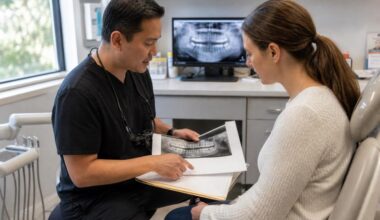
It is easy to focus on the cosmetic side and ignore the foundation underneath. Whitening over untreated decay, placing veneers on unhealthy gums, or trying to straighten teeth without checking bite issues can create bigger problems later. That is why a full exam matters. A dentist needs to look at enamel, gum health, old fillings, wear patterns, and habits like clenching before recommending cosmetic changes.
This is where people often feel stuck. You want to improve your smile, but you do not want to waste money on the wrong treatment or end up with work that looks too obvious. That concern is fair. Good cosmetic dentistry should not make you look like someone else. It should make your smile look healthier, more balanced, and more like you on a better day.
Daily care still matters after treatment. The CDC’s oral health tips for adults cover the basics that protect both natural teeth and cosmetic work, including brushing with fluoride toothpaste, flossing, and keeping up with regular dental visits. If you are considering sedation, surgery, or a more complex procedure, MedlinePlus offers a useful overview of dental surgery so you know what recovery and aftercare may involve.
Comparing cosmetic dental procedures helps you choose the right treatment
| Treatment | Best For | Typical Time | Key Consideration |
| Professional Whitening | Surface and age-related stains | One visit or custom trays over days | Does not change tooth shape or repair damage |
| Bonding | Small chips, gaps, uneven edges | Usually one visit | Can stain or wear faster than porcelain |
| Veneers | Multiple front-tooth cosmetic concerns | Two or more visits | Requires careful planning and maintenance |
| Clear Aligners | Mild to moderate crowding or spacing | Several months or longer | Results depend on wearing aligners consistently |
| Crowns | Worn, cracked, or heavily restored teeth | Usually two visits | More structural treatment than whitening or bonding |
| Dental Implants | Missing teeth | Several months from placement to final tooth | Requires healing time and enough bone support |
Cosmetic dental procedures become easier to manage when you take clear next steps
Start with the concern that bothers you most. Do not list ten things at once. Pick the one issue that changes how you smile day to day, whether that is color, a missing tooth, or crowding. That gives your dentist a clear starting point and helps avoid treatment you do not need.
Ask for a health-first treatment plan. You want to know what must be treated before anything cosmetic begins. Gum inflammation, cavities, bite stress, and grinding can all affect results. A good plan separates urgent care from elective improvements and lays out the order clearly.
Compare short-term and long-term costs. The cheapest fix is not always the most affordable over time. Bonding may cost less upfront than veneers, but it may need more touch-ups. Whitening is budget-friendly, but it will not solve shape or spacing issues. Ask how long each option tends to last and what maintenance looks like.
Smile makeover options should fit your life, not someone else’s
The best cosmetic dentistry for all ages respects where you are now. A teen may need minor contouring or whitening later on. A working adult may want straighter teeth without braces. An older patient may care more about replacing worn or missing teeth than chasing a perfect shade of white. There is no single right smile. There is the version that helps you feel comfortable speaking, laughing, and being seen.
If you have been putting this off because the choices feel overwhelming, start with a conversation. A general and cosmetic dentist can help you sort out what is possible, what is practical, and what will actually make a difference in your daily life.