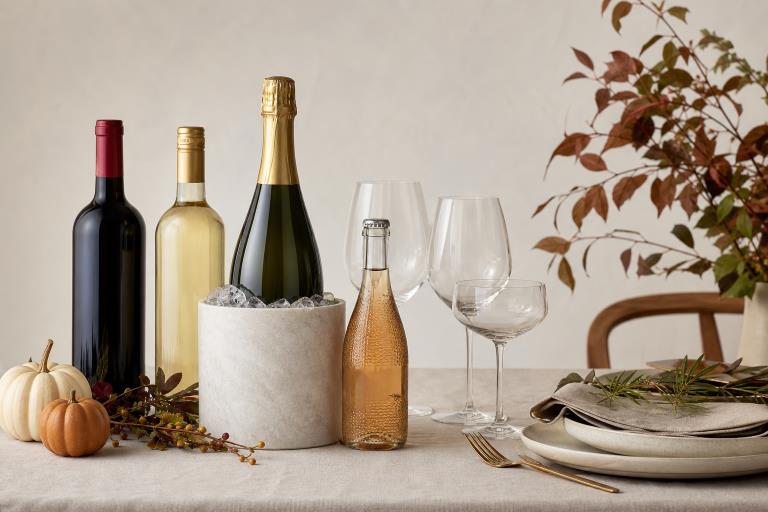
Holiday hosting in Asheville, North Carolina, often means a table that brings together family recipes, mountain-grown ingredients, potluck favorites, and guests with very different tastes. Instead of trying to find one flawless bottle for every dish, build a flexible lineup that keeps the meal relaxed. Guides to the best wines for your Thanksgiving table can offer useful starting points for a Western North Carolina feast.
Whether you are serving roasted turkey, smoked ham, mushroom dishes, creamy casseroles, or a spread of local desserts, the best holiday wine plan is built around choice. A few dependable styles, sufficient water, and a welcoming alcohol-free option will serve your guests better than an overly complicated collection of bottles.
Before shopping, look at the event as a whole. Is it a seated dinner in West Asheville, a long afternoon gathering in a mountain cabin, or an open-house style celebration where people come and go? Those details affect which wines will feel useful and how much you will need.
For hosts who want help narrowing the choices, holiday wine shopping in Asheville is easier when you arrive with a guest count, a menu, and a rough budget in mind.
Start with the Menu
Write down the main dish, rich sides, salty foods, spicy elements, sauces, and desserts before choosing wine. A holiday plate may combine herb-roasted meat, buttery potatoes, tangy cranberry sauce, earthy vegetables, and pie in one meal. That variety is exactly why versatile wines tend to work better than a rigid one-dish pairing strategy.
For example, a menu of turkey, cornbread stuffing, roasted root vegetables, macaroni and cheese, and apple pie benefits from wines with freshness and moderate weight. Save exceptionally tannic, high-alcohol reds for meals with fewer competing flavors.
Serve More Than One Style
A small, well-planned selection gives guests options without turning the counter into a crowded bar. Start with these four categories:
- A lighter red: Pinot Noir, Gamay, or a similarly fruit-forward red can suit roasted foods and mushroom dishes.
- A crisp or fuller white: Riesling, Sauvignon Blanc, or Chardonnay gives white-wine drinkers a clear choice.
- A festive bottle: Sparkling wine or dry rosé works well for arrivals, appetizers, and casual conversation.
- A zero-proof pour: Include something more celebratory than plain soda.
Keeping the choices easy to understand matters. A handwritten card with words such as “bright and crisp,” “soft red fruit,” or “slightly sweet” helps guests choose confidently.
Match Wine to Flavor
Use simple pairing principles.
- Bright acidity can refresh the palate alongside rich, buttery, or fried foods.
- A little sweetness can complement salty dishes, spice, and sweet-and-savory sauces.
- Lighter-bodied wines are often more comfortable with delicate flavors.
- Roasted, grilled, or deeply seasoned foods pair well with wines with more body.
- For dessert, choose a wine that tastes at least as sweet as the dessert.
These are useful guides, not rules. If a guest loves a particular style, their enjoyment matters more than a textbook match. The practical holiday serving ideas for choosing and serving wine also support a straightforward approach that offers people more than one option.
Plan for Different Guests
Ask a few simple questions before the event. Do guests usually prefer red, white, bubbles, sweeter wines, or no alcohol? Are there allergies, medications, dietary needs, or personal boundaries to respect? Keep one familiar bottle for cautious drinkers and one more distinctive choice for guests who enjoy discovering something new.
Calculate How Much to Buy
Use a practical formula, then adjust it for your group. A standard 750-milliliter bottle generally pours about five 5-ounce glasses. Count adults who expect to drink wine, consider how long the gathering will last, divide the bottles among your selected styles, and add one or two backups for a larger crowd or an all-evening celebration.
If beer, cocktails, or cider are also available, demand for wine may be lower. If wine is the primary alcoholic drink, keep the selection broader and reserve unopened bottles until you know which styles guests are reaching for.
Set Up a Simple Serving Plan
- Chill whites, rosés, and sparkling wines before guests arrive.
- Keep reds at a cool room temperature rather than near a fireplace or warm kitchen.
- Open only the first bottles initially, with backups ready nearby.
- Set out an opener, napkins, a towel, glasses, and water in one location.
- Use glass markers or labeled cups if guests will move around the house.
- Pour lighter styles before fuller wines when serving several choices with dinner.
Include Alcohol-Free Options
An alcohol-free drink deserves the same care as the wine list. Offer sparkling water with citrus or herbs, chilled spiced cider, unsweetened tea with seasonal fruit, or alcohol-free sparkling wine in a proper glass. This allows designated drivers, non-drinkers, and anyone taking a break from alcohol to join the toast comfortably.
Responsible hosting also means serving food, making water easy to find, encouraging guests to pace themselves, and helping arrange a safe ride when needed. The National Institute on Alcohol Abuse and Alcoholism explains that alcohol can affect the body and increase the risk of injury, which is a good reason to make transportation plans before the final pour.
Avoid Common Hosting Mistakes
- Buying only one wine style for a mixed group.
- Choosing solely by label design or price.
- Serving all wines at the same temperature.
- Opening every bottle before knowing what guests prefer.
- Forgetting water, food, or alcohol-free options.
- Leaving safe transportation to the end of the evening.
Use a Final Hosting Checklist
- Review the menu and note dominant flavors.
- Confirm guest preferences and alcohol-free needs.
- Select red, white, sparkling, or rosé, as well as zero-proof options.
- Estimate bottle count and purchase a small backup supply.
- Chill appropriate bottles and gather serving supplies.
- Place water and snacks where guests can easily reach them.
- Confirm designated drivers, rideshares, or overnight plans.
Conclusion
A crowd-friendly holiday wine plan in Asheville does not require a cellar full of rare bottles or expert vocabulary. A flexible selection, a realistic estimate of quantities, and thoughtful choices for every guest can make a Western North Carolina gathering feel generous from the welcome toast through dessert.