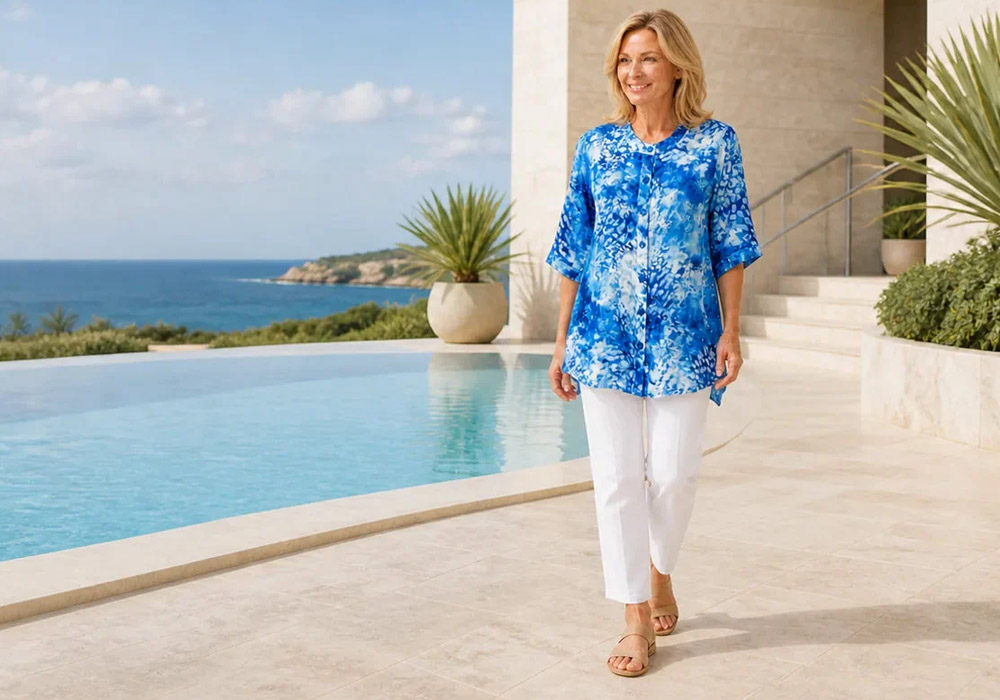
Spring hits Australia fast. One week you need a jumper. The next week you’re sweating just walking to the car. Picking a top for this kind of weather is trickier than most people admit. The right choice of womens blouse tops keeps you cool without making you look thrown together. Fabric matters more than cut here, and most style guides skip that part. Australia isn’t one climate either. Perth runs dry and hot, Cairns runs sticky and wet, and Melbourne can throw four seasons at you before lunch. This guide breaks down the fabric science so your top works for where you actually live.
Fabric Science Nobody Talks About
Linen can soak up close to 20 percent of its own weight in moisture before it even feels damp, which is why it survives a humid Queensland afternoon better than almost anything else in your wardrobe. Cotton breathes well too, but it holds onto sweat longer and starts feeling heavy by mid afternoon. Viscose, also sold as rayon, drapes beautifully and feels cool on skin, but it wrinkles the moment you sit down and can shrink badly in a hot wash. Polyester blends resist creasing and dry fast, which sounds great until you’re standing in 32 degree heat wearing something that traps warmth like plastic. None of these fabrics are bad on their own. They’re just built for different jobs.
Match the Fabric to Your City
- Perth and Adelaide (dry heat): pure linen or heavy cotton breathes best and won’t cling to skin
- Brisbane and Cairns (humid): viscose or bamboo blends pull moisture away without feeling sticky by noon
- Melbourne and Hobart (unpredictable): a lightweight cotton blouse you can layer under a cardigan
- Sydney (coastal humidity): linen cotton blends handle salty air without going limp by lunchtime
Colour Choices Do More Than You Think
White reflects heat well, but plain white cotton only carries a UPF rating of around 5 to 9, so it barely blocks UV rays at all. Dark navy or black absorbs more heat but can push UPF ratings above 20. That trade off rarely gets mentioned in style blogs. If you’re heading to Bondi for three hours straight, a mid tone colour with a tighter weave beats both extremes. There’s a simple test too. Hold the fabric up against a window. If light passes through easily, so does UV.
| Fabric | Breathability | Best Season | Care Tip |
|---|---|---|---|
| Linen | Very High | Summer | Iron while slightly damp |
| Cotton | High | Spring and Autumn | Wash cold, skip the dryer |
| Viscose / Rayon | Moderate | Humid Summer | Hand wash, hang to dry |
| Polyester Blend | Low | Travel days | Machine wash, no ironing needed |
Fit Matters as Much as Fabric
A blouse that’s too fitted traps heat against skin and stops air from moving at all. A raglan sleeve or a dropped shoulder lets air circulate right under the arms, which is exactly where most people start sweating first. Loose doesn’t have to mean shapeless though. A blouse with a slight A-line cut or a tie waist gives room to move without looking like a tent. Three quarter sleeves are a smart middle ground for spring, since Australian mornings can still dip below 15 degrees even when the afternoon climbs to 28. Button placement matters too, since a full button front lets you adjust airflow as the day heats up.
Common Mistakes Shoppers Make
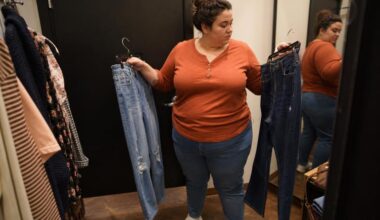
People often buy a blouse because it looked great under store lighting, then wear it outside where heat and UV behave nothing like a fitting room. Seam count is another thing worth checking. More seams under the arms usually means less give and more chafing on a hot day. Cheap viscose blends also lose their shape after three or four washes, so that flowy look you paid for can turn baggy fast. Buying one size up doesn’t fix breathability either, it just adds more fabric trapping the same heat. Read the fabric label before you read the size tag. That one habit saves more wardrobe regret than anything else on this list.