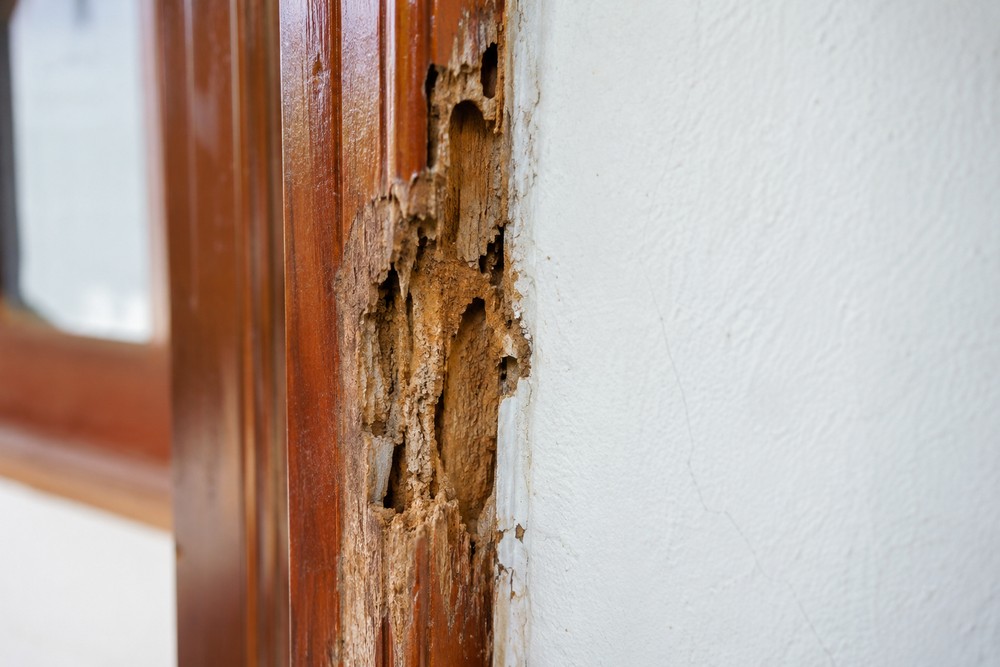
Termites continue to be a major issue for property owners in the United States. The National Pest Management Association estimates that termites lead to damages worth $5 billion on an annual basis throughout the nation. On average, repairs for termite damage cost about $3,000 but could even exceed that figure in some cases.
Termite infestations can cause serious structural damage to homes. These can weaken wooden beams, damage flooring, deteriorate walls, and compromise foundations. As a result, homeowners are left with expensive repairs and uncertainty about whether their insurance policies will cover the losses.
While normal house insurance does not provide coverage against termite damage since it is considered avoidable and part of normal house maintenance, certain cases with respect to covered events may lead to exceptions.
According to Mobile termite damage lawyer Thomas F. Campbell, if you have experienced termite damage and the pest control company you hired did not adequately inspect your home or treat the property, you can file a termite damage claim against them.
Find out how homeowners can file claims and what options are available when coverage is denied.
Why Standard Policies Rarely Pay
When it comes to insurance, infestations are considered a preventable issue that progresses over a certain period of time and not a mistake. Therefore, most insurances will not cover insect infestations since they consider such situations to be caused by some sort of negligence and not by an accident.
Termites damage properties undetected. They penetrate through wooden structure walls and floors, and even before the homeowner realizes the extensive damage, they start seeing evidence of their existence, such as mud tubes, shed wings, and drooping floors.
This is an advantage to the insurance companies since losses arising from the silent process after many years can be termed as a case of negligence without proof that damage has occurred. In some cases, the coverage of damage done by termites is limited to being part of a bigger loss covered under the policy.
Signs Worth Recording Early
The infestation by termites starts off from smaller signs before they can cause any visible damage. Some of the signs are swarmers, wings at the openings like doorways and windows, mud tubes on the walls of the foundation, tapping sounds on the wood, bulging or sagging floors, sticky doors and windows, and wrinkles on the walls.
All these signs should be noted in the report right away after their detection, as the date of their discovery will have to be specified in the report by the insurance company or pest extermination company.
Documentation Carries the Claim
All sorts of claims can be supported by documentation.
Photographs, videos that show the time of the destruction, the report from the inspection conducted by the pest control company, estimates on the cost of the repairs to be conducted, and all emails/texts sent to the pest control company and insurance company are extremely credible sources of evidence.
If any sort of repair work has begun or walls opened without documenting the destruction, the evidence will be lost.
Commercial Property and Pest Control Contracts
A business owner is exposed to more risk due to the closure of the store or delay of leasing, which results in additional loss of income besides the cost of repairs. The person owning the premises who operates a business out of that building may require legal advice related to real estate and insurance matters.
According to the Corona, California, business law firm website https://www.lobbplewe.com/, attorneys there handle real estate, employment, and insurance matters for business owners in California and Nevada. Rental properties, places of worship, and other buildings that serve something besides a single household raise their own coverage questions, so the type of policy on the building matters as much as the cause of the loss.
Termite Bond and Homeowner’s Policy are completely different things. A homeowners policy covers sudden, accidental losses, while a termite bond is a contract with a pest control company covering inspection, treatment, and sometimes repairs.
Homeowners who hire a pest control company often receive a bond, and it can matter as much as the insurance policy when termites return after treatment.
Every company has its terms of service, and some of them even restrict the liabilities of the company. Being a contract, the termite bond is a document that regulates the examination, retreatment, and repairs, and the owner, having this signed document and all its renewals, knows everything about it.
The Alabama Department of Agriculture and Industries issues the structural pest control regulations, and the regulations themselves define the Official Alabama Wood Infestation Inspection Report. The report is concerned with the infestation, either existing or former, which can be seen and accessed by the inspector during the inspection process.
It follows that hidden damage inside walls or in areas that are not visible or accessible is not covered by the report, which is why an owner keeps personal records.