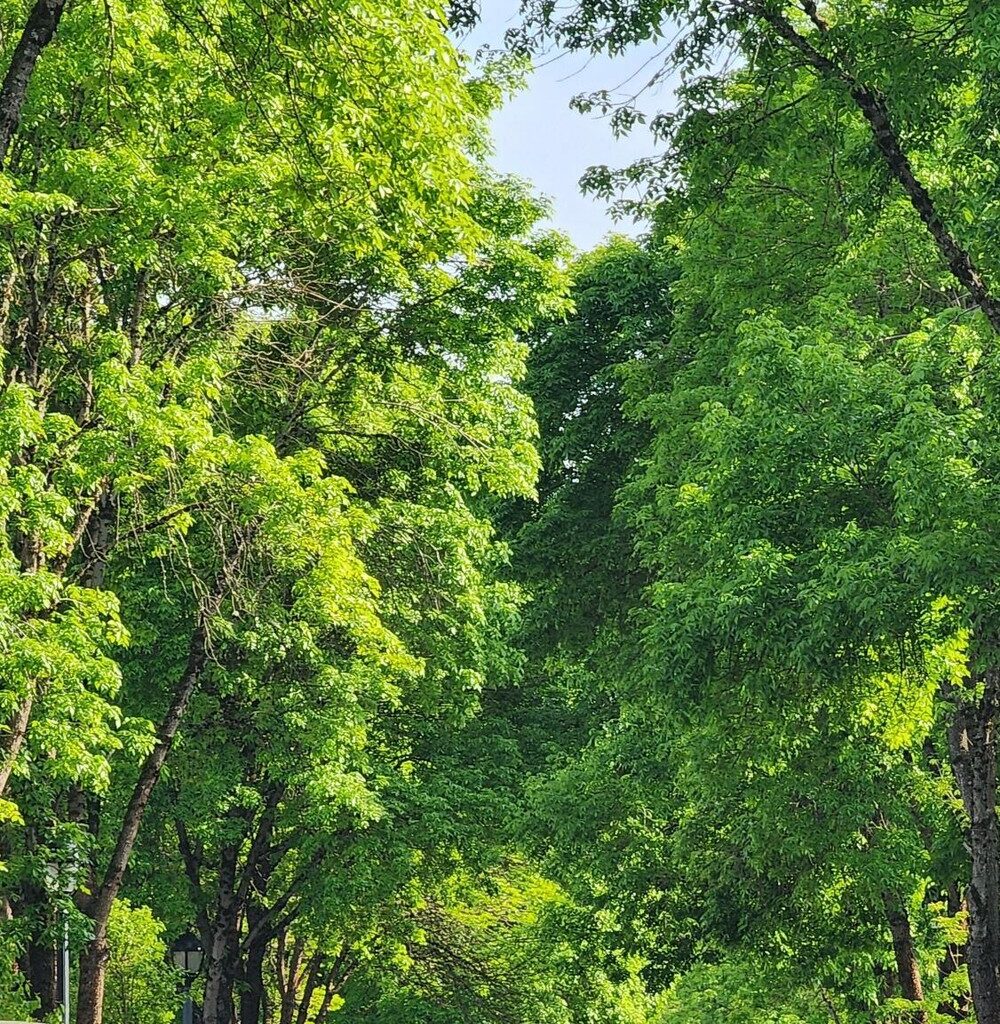
Modern outdoor spaces need smart planning to stay green. Mature trees give cool shade. They boost property values. They shelter native songbirds too. Homeowners can protect these living assets. They just need to start good care routines early. A little effort now saves money and worry later.
A sustainable yard puts root protection first. It also needs seasonal trimming and natural soil care. Good planning creates outdoor zones that thrive. These zones do not drain local water reserves. These simple habits keep community canopy cover healthy for decades. They also help nearby homes stay cool in summer.
Selecting Native Tree Species For Property Stability
Choosing regional tree varieties creates a strong base for any home. Native trees adapt well to local weather. They handle seasonal heat swings and regional pests. Their deep roots anchor into heavy clay dirt. They do not need frequent chemical feeding. This saves time and keeps soil healthy.
Planting regional species saves property managers $300 to $500 each year. That money goes to extra watering bills. Young saplings build sturdy roots quickly in good light. Grouping trees with similar moisture needs makes yard care simple. This helps through dry summers. It also keeps the whole yard looking even and tidy.
Balancing Canopy Care And Property Safety
Neighborhoods in Kennesaw and northern Cobb County get severe summer storms. These storms test mature timber. Broken branches and inner trunk rot create hazards. Scheduling reliable tree removal in Kennesaw protects nearby homes. It stops sudden collapse. Trained arbor crews take down dangerous wood. They do this without damaging delicate lawn turf. This targeted clearing protects healthy companion plantings. It keeps backyards safe for families and pets.
Inspecting aging trunks twice each year prevents surprise damage. Certified specialists spot hollow cavities and cracked limbs. They check for ground heave before severe winds arrive. Fast action shields fences, roofs, and overhead utility lines. A short check now can save a large repair bill later.
Protecting Root Zones And Soil Structure
Root zones extend well beyond the visible branch perimeter. Underground networks anchor topsoil. They filter rainwater runoff. They spread moisture across nearby turf. A healthy tree with strong roots gives a solid base for nearby plants. But an unhealthy tree can make yard work harder.
Heavy machines and steady lawnmower traffic press dirt down. This packs soil over sensitive root zones. Packed soil stops fine root hairs from taking in oxygen. It also blocks liquid nutrients. Aerating compacted dirt around drip lines restores airflow. This helps through hot summer weeks. Soft, open soil lets roots breathe and grow strong.
Applying Strategic Pruning To Support Wildlife
Careful trimming keeps tree crowns balanced. It makes them stable against high wind loads. Removing dead limbs stops wood decay. This decay would spread into interior tree trunks. Strategic pruning helps preserve habitats for nesting birds. It also helps helpful insects. Regular branch trimming delivers clear benefits for homes:
- Cuts rubbing limbs before friction wears away bark barriers.
- Eliminates rotting twigs to stop beetle infestations early.
- Opens upper branches so sunlight reaches grass below.
Trimming during late winter dormancy boosts leaf growth. This growth comes back strong when spring returns. Clean pruning tools stop fungal infections. These infections can move between separate garden beds. Gentle canopy reduction keeps natural branch shapes. This works through every season.
Improving Regional Air Quality And Carbon Capture
Large shade trees act as natural air filters in neighborhoods. Broad-leaf surfaces catch floating dust particles. They release clean oxygen into local communities. A healthy tree can absorb over 48 pounds of carbon dioxide each year. This makes it a valuable asset in the fight against climate change.
Dense summer canopies lower ground temperatures. This helps around paved driveways and stone walkways. Shading home foundations reduces air-conditioning electricity demand. It can cut them by up to 25%. Planting sturdy, long-lived hardwood varieties expands canopy benefits for decades. Strong trees keep giving back year after year.
Adopting Efficient Watering And Moisture Conservation
Young saplings need deep watering. Brief surface sprinklers do not work well. Installing drip irrigation lines across the outer root perimeter delivers moisture. Roots absorb it best there. This targeted method limits water evaporation. This helps under bright afternoon sun. It also keeps water bills low through the driest months.
Spreading Protective Organic Mulch
Spreading a 3-inch layer of organic bark chips around tree rings keeps root zones damp. It keeps them cool too. Organic ground cover stops weeds. It breaks down into natural plant food. Pulling wood chips 4 inches away from root flares prevents bark decay. It also stops pest nesting. A fresh layer of mulch each spring keeps the whole yard looking neat.
Repurposing Cleared Timber And Wood Debris
Responsible tree care avoids dumping cleared branches. Crowded city landfills do not need this waste. Fallen timber and trimmed boughs convert into useful property resources. Simple processing makes this work. Chipping pruned wood creates fresh ground mulch for nearby shrub beds. Recycling yard wood supports property upkeep in several ways:
- Provides chemical-free chips for walking paths and play areas.
- Lowers disposal fees by roughly $150 per truckload.
- Creates organic compost piles that enrich vegetable gardens.
Using wood chips on-site reduces transport fuel use. It also cuts truck exhaust emissions. This closed-loop approach returns organic carbon right to local soil layers. Proper yard stewardship treats cleared timber as a valuable resource. It is not plain garbage.
Scheduling Preventive Care For Mature Canopies
Maintaining older shade trees requires routine monitoring. It also needs active tree health care. Seasonal walk-throughs reveal pest activity. This happens before insects cause permanent crown decline. Testing soil samples finds mineral deficiencies. This happens before leaves show pale discoloration. Early action keeps small problems from growing into large ones.
Deep root fertilization and organic soil conditioning support spring bud break. Well-tended trees withstand harsh summer droughts far better. Neglected ones do not do as well. Consistent preventive maintenance protects property value. It keeps mature trees standing tall.
Building A Sustainable Future For Community Trees
Sustaining tree health preserves property investments. It supports local wildlife habitats too. Mindful planting choices, regular pruning, and good soil care create an outdoor setting. This setting thrives across decades. Healthy canopies shelter homes through severe weather. They give cool shade during the hottest months.
Take time to inspect your yard today. Begin building a lasting care routine for your property trees. Small steps each season add up to strong, healthy trees for years to come.