Your air conditioner often shows early warning signs when internal components begin to wear or malfunction, affecting its cooling performance. Reduced airflow, uneven cooling, and inconsistent temperatures indicate that parts of the system are no longer operating properly. Scheduling professional air conditioner repair can identify the underlying cause and help prevent more extensive damage. Here are the key factors to evaluate when dealing with air conditioner repair needs:
System Function
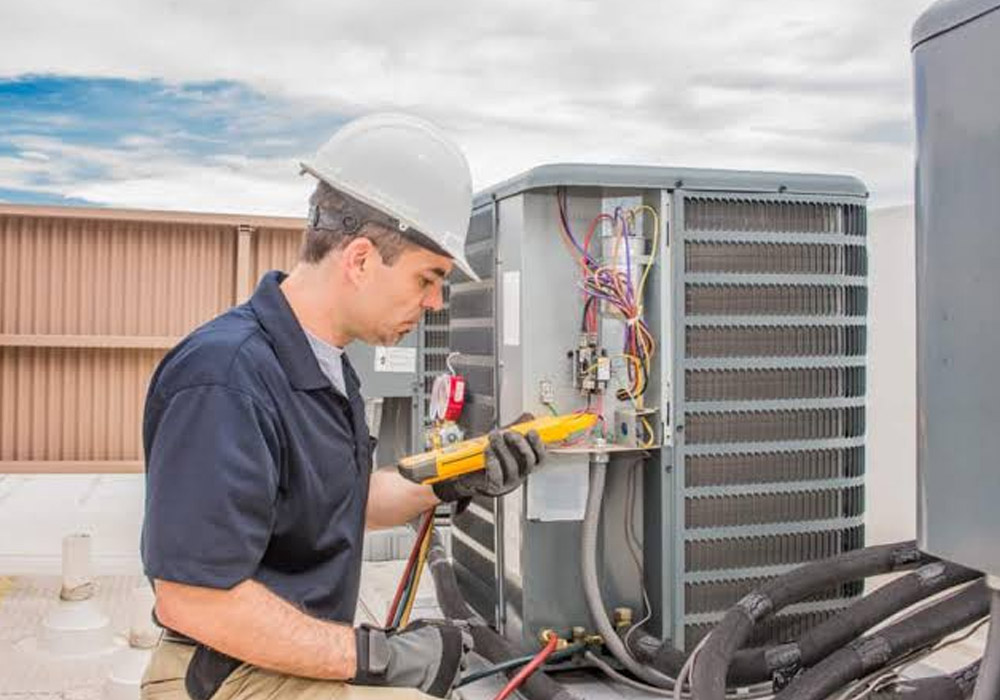
An air conditioner repair visit involves more than inspecting the outdoor and indoor cooling equipment. Technicians examine the ductwork, furnace components, air filters, vents, and thermostats to identify issues that affect airflow and overall system performance. This comprehensive inspection reveals problems that contribute to poor cooling.
Airflow restrictions often originate outside the air conditioner itself. Blocked supply or return vents, clogged air filters, and damaged or leaking ductwork reduce air circulation and create uneven temperatures throughout the home. Inspecting the entire HVAC system helps identify the source of these problems instead of addressing only the cooling unit.
The thermostat also influences system performance. Inaccurate temperature readings or faulty controls cause the system to cycle too frequently or run longer than necessary, which reduces efficiency and places additional wear on HVAC components. Evaluating the thermostat alongside the rest of the system provides a more accurate diagnosis and supports effective repairs.
Coil Cleanliness
The evaporator and condenser coils perform the heat transfer that allows your air conditioner to cool your home. As dust, dirt, and debris accumulate on the coil surfaces, heat transfer becomes less efficient. The system runs longer to reach the thermostat setting, which reduces cooling efficiency and increases wear on components. Inspecting the coils identifies buildup that restricts heat transfer and helps determine whether cleaning or additional repairs are necessary.
Refrigerant Levels
Refrigerant moves heat from inside the home to the outdoor unit, enabling the system to produce cooled air. Low refrigerant levels indicate a leak rather than normal depletion. Pressure loss disrupts heat exchange and reduces temperature stability indoors.
Technicians test refrigerant pressure during their service visit to confirm system performance and identify leaks. They locate damaged lines or connection points, repair the affected sections, and restore refrigerant to the manufacturer-specified charge. Correct refrigerant levels support stable operation and consistent cooling across daily use.
Electrical Safety
Electrical components control how an air conditioner starts, runs, and shuts off during each cooling cycle. Loose wiring interrupts communication between internal parts, while damaged connections stop the system from operating reliably. An electrical inspection identifies faults that affect system function even when airflow appears normal. Some electrical problems develop without visible signs at the vents or thermostat. Technicians use diagnostic tools to test voltage, continuity, and control signals across the system. These tests confirm whether components communicate correctly and operate within required specifications.
Filter Condition
Air filter condition directly affects airflow through the HVAC system during cooling cycles, says Shannon Property Management. Dust buildup restricts air movement, and this forces internal components to operate under higher resistance. Reduced airflow also disrupts the distribution of cooled air across different rooms in the home. Several parts of the system respond to restricted airflow:
- Airflow movement decreases when a clogged filter limits the volume of air passing through the system.
- System pressure increases because restricted intake forces the blower and other components to work against higher resistance.
- Blower function changes under strain, which affects how efficiently air moves through the ducts.
- Filter replacement timing depends on inspection results, which confirm when buildup limits normal system performance.
Schedule an Air Conditioner Repair Today
Understanding the repair process helps you better understand what affects cooling performance throughout your HVAC system. Professional air conditioner repair focuses on airflow, refrigerant balance, electrical safety, and system-wide diagnostic evaluation during service visits. Contact a qualified HVAC service provider today to schedule professional repairs for your system.