Choosing who handles a smile transformation matters just as much as the treatment itself. The same procedure can produce very different results depending on who’s performing it, which is why the selection process deserves more attention than it usually gets.
Why the Provider Matters as Much as the Procedure
Cosmetic treatments like veneers, bonding, and whitening rely heavily on artistic judgment — matching shade, proportion, and symmetry in a way that looks natural rather than generic. Two dentists using identical materials can produce noticeably different outcomes based on training, experience, and attention to detail. This is part of why researching a provider ahead of time is worth the extra effort, rather than defaulting to the first practice that comes up in a search.
Credentials and Experience Worth Asking About
A dentist doesn’t need a specialized cosmetic-only license to perform these procedures, which makes it harder to judge quality from credentials alone. Still, a few things are reasonable to ask about during a first conversation:
- How often does the practice perform the specific treatment being considered? A dentist who does veneers regularly will likely have a more refined eye for shade and shape than one who does them occasionally.
- What additional cosmetic training has the dentist pursued? Continuing education in cosmetic techniques signals ongoing investment in the craft beyond baseline requirements.
- Can previous patient results be reviewed? Before-and-after photos of real patients — not stock imagery — give a much clearer sense of a dentist’s actual style and consistency.
Reviewing a Portfolio the Right Way
Photos are one of the most useful tools for evaluating fit, but they’re only helpful if reviewed carefully. Look for a range of cases rather than just the most flattering examples, and pay attention to whether the results look natural across different lighting and angles. A portfolio that shows the same slightly-too-white, slightly-too-uniform look across every patient may indicate a one-size-fits-all approach rather than customization to each person’s features.
It’s also worth noticing whether the portfolio includes patients with similar starting concerns to your own — heavy staining, gaps, or asymmetry — since that’s a better predictor of what to expect than a portfolio full of minor touch-ups.
Technology and Techniques in Use
The tools a practice uses can meaningfully affect both comfort and outcome. Digital smile design software, for instance, allows patients to preview proposed changes before committing to treatment, which reduces the chance of an unwelcome surprise. Similarly, digital scanning has largely replaced traditional impression material for many procedures, making the process faster and more comfortable. Asking whether a practice for cosmetic dentistry, an Anchorage patient might be considering, has adopted these tools isn’t about chasing the latest gadget — it’s a reasonable proxy for how current the practice’s methods are overall.
Communication Style Counts More Than People Expect
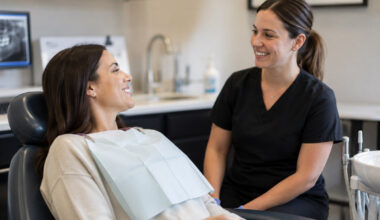
Cosmetic dentistry involves a fair number of subjective decisions — shade, shape, and how much correction feels right. A dentist who listens carefully, explains trade-offs clearly, and doesn’t rush through the consultation tends to produce results that better match what the patient actually wanted. On the other hand, a rushed consultation or vague answers to direct questions can be an early sign that the fit isn’t quite right, regardless of how strong the practice’s marketing looks.
Red Flags Worth Taking Seriously
A few patterns are worth paying attention to when evaluating a potential provider:
- Reluctance to show real patient results or relying only on generic stock photography
- Pressure to commit quickly, especially around financing or limited-time promotions
- Vague answers about material options, timelines, or what happens if a result needs adjustment
- No clear explanation of the consultation-to-treatment process, leaving the patient unsure what to expect next
None of these alone is necessarily disqualifying, but a pattern of several together is a reasonable signal to keep looking.
What a Strong First Consultation Looks Like
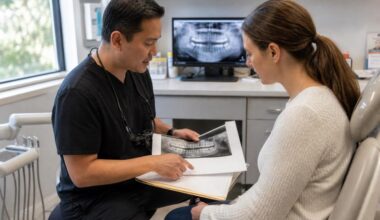
A solid initial visit usually includes a full oral health check — not just a conversation about aesthetics — since cosmetic work should be built on a healthy foundation. From there, a good consultation involves a clear discussion of options, realistic expectations, and a straightforward breakdown of cost and timeline. Patients should leave with a clear sense of next steps, not lingering questions about what was actually discussed.
Trusting the Process, Not Just the Marketing
Glossy before-and-after photos and polished websites are common across cosmetic dental practices, which makes it easy to judge on presentation alone. Digging a little deeper — into experience, communication, and the consistency of past results — tends to be a far better predictor of satisfaction than marketing polish. Taking the time to ask a few direct questions during a consultation is a small investment that can prevent a much bigger regret later.
Conclusion
Finding the right fit doesn’t require visiting a dozen practices, but it does benefit from a bit of intentional research and a willingness to ask direct questions. A consultation is a low-pressure way to get a feel for a provider’s approach before making any commitment.