Owning a home is a major milestone, but the never-ending list of chores that comes with it can sometimes feel like a second job. You spend your workweek looking forward to the weekend, only to spend your Saturday mowing the lawn, scrubbing grout, or repainting peeling trim. It is an exhausting cycle that leaves little time for relaxation or hobbies.
1. Exterior Siding Built to Last
The exterior of your home takes a beating from the elements. Sun, rain, snow, and wind all chip away at your home’s curb appeal. Traditional wood siding, while beautiful, is high-maintenance. It requires regular scraping, painting, and sealing to prevent rot and insect damage. If you want to put down the paintbrush for good, consider these durable alternatives.
Vinyl Siding
Vinyl has come a long way since its introduction. Modern vinyl is resistant to fading and can mimic the look of wood grain without the susceptibility to moisture. It never needs painting and typically only requires a yearly wash with a garden hose to keep it looking fresh. It is also one of the most cost-effective options on the market.
Fiber Cement
If you prefer the substantial look of wood but hate the upkeep, fiber cement is an excellent middle ground. Made from a mixture of wood pulp and cement, this material is incredibly durable. It resists rot, fire, and termites. While it may eventually need repainting, it holds paint much longer than wood, often lasting 15 years or more before needing a touch-up.
Brick Veneer
For the ultimate “set it and forget it” exterior, brick is hard to beat. It does not rot, fade, or require painting. Aside from occasionally checking the mortar joints every few decades, brick is virtually maintenance-free. It also provides excellent sound insulation and thermal mass, helping to regulate your home’s interior temperature.
2. Smart Landscaping Decisions
A lush, green lawn is the traditional American dream, but it is also a massive resource sink. Between mowing, watering, fertilizing, and weeding, a standard grass lawn consumes hours of your week. Smart landscaping focuses on working with your environment rather than fighting against it.
Native Plants
Native plants are species that naturally occur in your region. Because they have evolved to thrive in your local climate and soil conditions, they require significantly less water and fertilizer than exotic species. Once established, native gardens are often self-sustaining and resistant to local pests, removing the need for harsh chemical pesticides.
Xeriscaping
Xeriscaping is a landscaping philosophy designed to reduce or eliminate the need for irrigation. While often associated with desert climates, the principles apply anywhere. It involves grouping plants with similar water needs, improving soil quality to retain moisture, and reducing turf grass areas. A well-designed xeriscape can reduce water usage by up to 75% and drastically cut down on mowing time.
The Power of Mulch
Never underestimate a thick layer of organic mulch. Applying mulch around your trees, shrubs, and garden beds suppresses weed growth, reducing the time you spend pulling unwanted plants. It also retains soil moisture, meaning you have to water less frequently. As organic mulch breaks down, it adds nutrients back into the soil, feeding your plants without any extra effort from you.
3. Flooring That Can Take a Beating
Floors endure more wear and tear than any other surface in your home. Muddy shoes, pet claws, and spilled drinks can ruin delicate materials like carpet or hardwood. For a low-maintenance home, prioritize flooring that is water-resistant and hard-wearing.
Porcelain and Ceramic Tile
Tile is the champion of high-traffic areas like entryways, kitchens, and bathrooms. It is impervious to water and highly resistant to scratches. If you choose a tile with a darker grout or use a high-quality sealant, you won’t even have to worry about staining. Cleaning is as simple as a quick sweep and a mop.
Laminate and Luxury Vinyl Plank (LVP)
If you love the look of hardwood but don’t want to worry about water damage or scratches, modern laminate or LVP are fantastic solutions. These materials are engineered to be durable. Many high-quality LVP options are 100% waterproof, making them suitable for basements and laundry rooms where real wood would warp.
Sealed Concrete
For a modern, industrial aesthetic, sealed concrete is incredibly low-maintenance. It is essentially indestructible. You don’t have to worry about scratching it or damaging it with water. It is also versatile; for example, garage floor epoxy coating in Salt Lake City can transform a dusty, stained cement slab into a sleek, showroom-quality surface that resists oil spills and wipes clean in seconds.
4. Energy-Efficient Windows
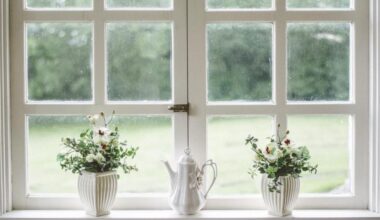
Windows are often overlooked when discussing maintenance, but old, drafty windows are a constant headache. They let in dust and pollen, leak air (forcing your HVAC system to work harder), and often require storm windows to be installed and removed seasonally.
Double-Pane Construction
Upgrading to double-pane windows eliminates the need for storm windows. The sealed air or gas space between the panes acts as an insulator, reducing heat transfer. This keeps your home cleaner by blocking dust infiltration and reduces the workload on your heating and cooling systems, extending their lifespan.
Low-E Glass Coatings
Low-emissivity (Low-E) glass has a microscopic coating that reflects heat while letting light through. This technology protects your interior. UV rays can fade furniture, carpets, and curtains, making them look old and worn prematurely. By blocking these rays, Low-E glass preserves your interior decor, saving you the hassle and cost of replacing sun-damaged items.
5. Minimalist Interior Design
Maintenance isn’t just about the structure of the house; it is also about the stuff inside it. The more items you have, the more you have to clean, organize, and repair. Adopting a minimalist approach to interior design can drastically reduce your daily chore load.
Decluttering Surfaces
Flat surfaces like countertops, tables, and shelves are magnets for clutter. When these surfaces are covered in knick-knacks, mail, and appliances, dusting becomes a tedious chore where you have to move a dozen items just to wipe the table. Keeping surfaces clear means you can wipe down a whole room in minutes rather than hours.
Simple Decor and Furniture
Choose furniture with clean lines and simple upholstery. Ornate furniture with intricate carvings traps dust and is difficult to clean. Similarly, opting for closed storage (like cabinets) over open shelving keeps your belongings dust-free and out of sight, making the room look tidier with less effort.
Conclusion
You don’t have to renovate your entire house overnight. Start with the areas that cause you the most stress. If you hate mowing, look into xeriscaping. If painting the siding is your yearly nightmare, start saving for vinyl or fiber cement. By prioritizing durability and ease of care, you are building a home that serves you, rather than the other way around.