Why Some Materials Move by the Load Instead of the Bag
Walk into a hardware store and you can buy sand in a bag, gravel in a bucket and soil in a sack. For a pot plant or a garden bed, that works. For a driveway base, a levelled lawn or a trench full of excavated clay, it doesn’t. The volumes are too large, the materials are too heavy and the number of trips needed would swallow a week.
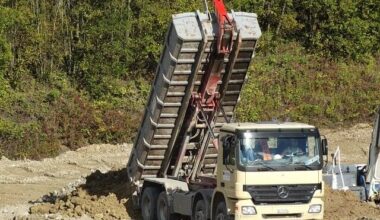
That is where a tipper truck earns its place. The tray is built to carry heavy, loose material in one go and to tip it out in a single movement, whether that means delivering a load to a site or taking one away. A project that needs a few bags of material is a shopping trip. A project that needs a mound of it is a logistics problem, and the tipper solves it.
Knowing what a tipper can carry helps in planning, because it shows which jobs can be handled quickly and which need a different arrangement.
Soil, Sand and Clay: The Earth Under Every Project
Soil is the most common load. Any project that digs, such as a pool, a retaining wall, a drainage line or a new footing, produces excavated material that has to go somewhere. Topsoil, clean fill and clay are all heavy, and a wet load weighs far more than a dry one, which is why a few barrow loads can feel like a lot of work and a few truckloads can clear a whole yard.
The same materials come in as well as out. Topsoil for a lawn, fill to level a low corner and sand beneath pavers are all delivered by the load. A driver can place the material where it is needed or tip it in a pile for spreading later, and a short conversation about where the pile will sit prevents a mound blocking a path or a gate.
Sand deserves a mention of its own. It is used under paving, in children’s play areas, in concrete mixes and for bedding pipes, and different grades suit different jobs. Describing the project to the supplier is the simplest way to get the right type.
A driver will read the site before tipping. Soft ground, a slope or a nearby fence changes where a heavy truck can stand, so a quick look at the position, and a clear idea of where the load should go, makes the delivery smoother.
Gravel, Aggregates and the Materials That Build Things Back Up
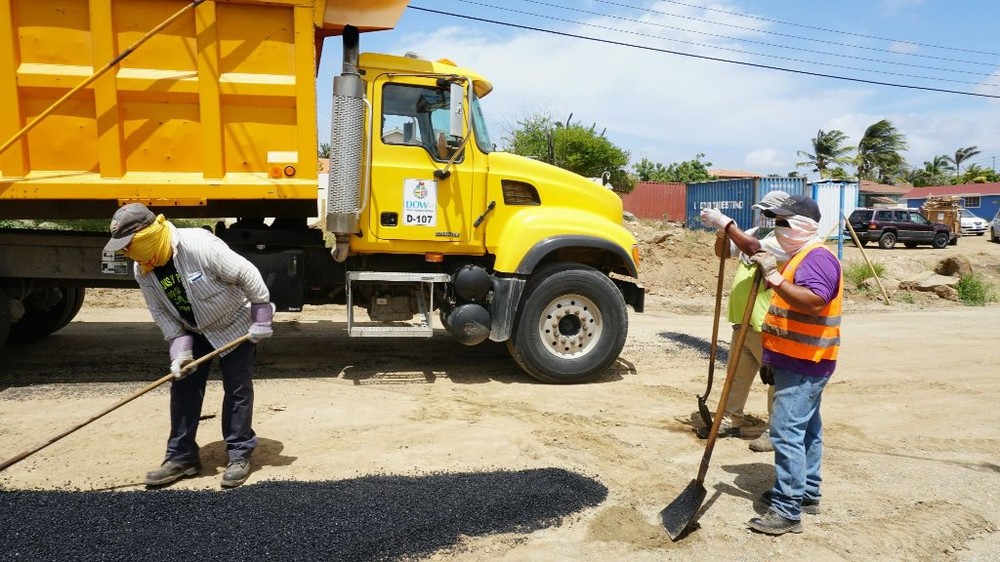
Once the digging is done, building back up begins, and much of that work depends on aggregates. Crushed rock, road base, drainage gravel and decorative landscaping stone all arrive by the load, and each does a different job. Road base compacts into a firm layer beneath driveways and paths. Drainage gravel lets water pass around pipes and behind walls. Decorative stone finishes garden beds and paths.
Anyone who has priced these materials by the bag knows how fast the cost climbs, which is why people look for tipper truck hire in Sydney when a driveway, a path or a shed base needs a substantial amount delivered. A tipper carries a large volume in one trip, places it near the work area and leaves the owner free to start spreading and compacting straight away.
Estimating how much to order is the hard part. A common approach is to measure the length, width and depth of the area, convert to volume and add a little extra for settling and spillage. Suppliers can usually help with the calculation, and ordering slightly too much is generally better than running short and waiting for a second delivery.
Think about where the pile will sit. Aggregates tipped on a driveway can be moved with a wheelbarrow or a small loader, but a pile in the wrong place can block access for days. A tarp beneath the pile keeps the material clean and makes cleaning up simpler.
Rubble, Demolition Debris and Construction Leftovers
At the other end of a project, tippers handle what comes out. Broken concrete, brick, tiles, timber offcuts and mixed construction waste are heavy, awkward and sharp, and they pile up quickly during a demolition or a major renovation. Clearing them by the load keeps the site safe and the next trade working.
Sorting makes a real difference. Clean concrete and brick can often be crushed and reused as fill or base material, and metal can be recovered, while mixed loads with a lot of plastic, plasterboard and general waste are harder to process. Keeping the heavy masonry separate from the lighter debris, even in two piles, helps the driver and the facility that receives the load.
Safe loading matters too. Material is usually loaded by hand, by a small machine or by an excavator, and the driver will want clear access, solid ground and a safe distance from workers. Overloading a truck is dangerous, so drivers will stop when a tray is full and may refuse a load that looks too heavy or poorly loaded. That is a safety decision, and a good reason to listen when they raise it.
The Loads a Tipper Shouldn’t Carry
Not everything belongs in a tray. Asbestos is the most serious example. Fibro sheeting, old roofing and certain insulation or pipe materials from older buildings can contain it, and it needs licensed testing, removal and disposal with specialist containers. It cannot be mixed with ordinary rubble, and a driver who suspects it will stop the job.
Liquids, chemicals, fuel and paint are also out, as they can leak, react or contaminate the load and the site. Contaminated soil is another case. Ground that has held fuel tanks, old workshops or industrial activity may need testing before it is moved, and the disposal rules for it are different from clean fill.
If there is any doubt, say so early. A short description of the material, how much there is and where it came from lets the provider advise on the right approach before the truck arrives. A few photographs help too. It is far easier to adjust a plan on the phone than to turn a loaded truck around on the day.
Planning a load well comes down to the same few ideas: know what the material is, know where it needs to go and tell the person who will move it. Do that, and a tipper becomes one of the simplest ways to get heavy work done.