Regular trash collection works well for the predictable waste generated by everyday activities. However, some projects produce unusually large quantities of unwanted materials within a limited period. Understanding when temporary waste containers are more practical can help property owners avoid overloading their normal disposal arrangements.
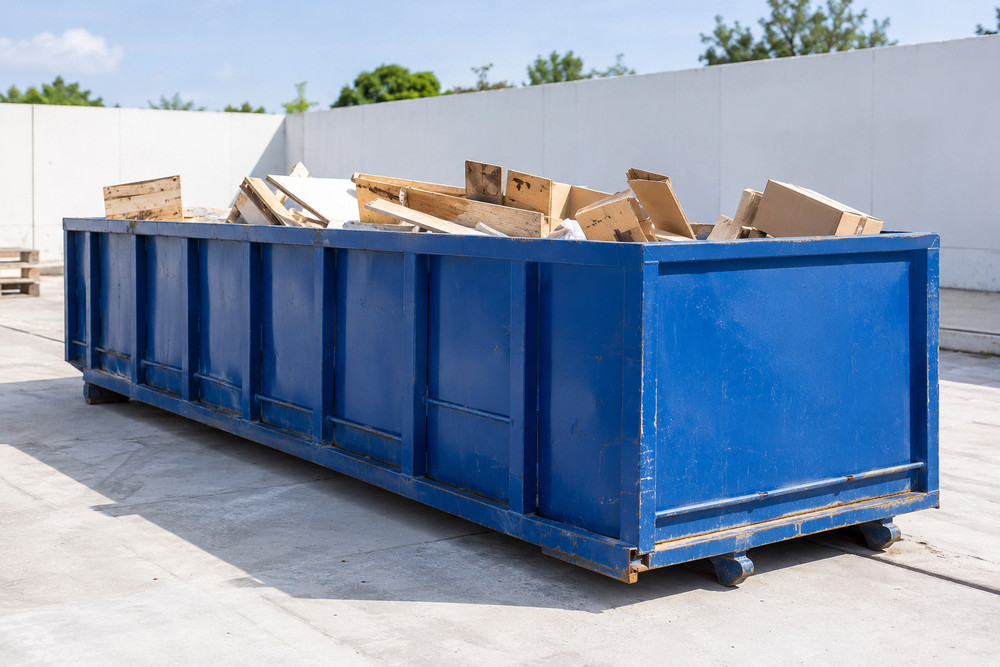
A Rolloff Service offers a different approach to waste collection by providing temporary capacity for projects with concentrated disposal needs. Instead of relying on repeated routine pickups, customers can collect appropriate materials during an agreed rental period. The best choice depends on the type of waste, project duration, and collection requirements.
Hiep Sanitation can help customers evaluate whether their circumstances call for temporary collection or an established disposal schedule. These options serve different purposes, and neither is automatically suitable for every situation. Recognizing the differences allows households and businesses to select arrangements that match their actual needs.
Understanding the Purpose of Regular Trash Collection
Routine collection is designed around waste generated through ordinary household or business activities. Food packaging, office waste, and other everyday discarded materials generally accumulate at relatively predictable rates. Scheduled pickups provide a recurring method for managing these quantities.
This arrangement becomes less practical when waste generation increases suddenly. A large project may produce more material than standard containers can accommodate between collections.
Temporary disposal capacity can address this difference without requiring permanent changes to routine collection arrangements.
Recognizing Short-Term Waste Increases
Some waste increases are temporary rather than permanent. A business replacing equipment, a household clearing storm-damaged belongings, or a property manager preparing a vacant unit may generate unusual quantities over several days.
These circumstances differ from ordinary weekly disposal needs. The volume may be substantial, but it is connected to a specific event with an expected completion date.
Match Collection Methods to Waste Patterns
Property owners should consider whether the additional waste represents an ongoing operational change or a temporary project. Recurring increases may justify reviewing regular collection arrangements. Short-term increases may be better suited to temporary capacity.
Managing Waste During Business Relocations
Moving a business often produces materials that do not appear during normal operations. Damaged fixtures, outdated furnishings, unwanted shelving, and discarded packing materials can accumulate as employees prepare to leave.
Routine collection may not accommodate these concentrated quantities. A temporary container can provide a defined destination for accepted materials throughout the relocation process.
Hiep Sanitation can discuss disposal needs associated with business transitions. Customers should identify their expected waste materials and confirm applicable acceptance requirements before scheduling collection.
Supporting Property Turnovers Between Occupants
Rental properties sometimes require extensive cleanup between occupants. Previous tenants may leave unwanted furniture, damaged household items, or miscellaneous materials that need removal before repairs begin. These situations often involve limited preparation windows.
Regular trash collection may not align with the quantity of material or the property’s turnover deadline. Temporary collection can provide additional capacity during the cleanup period.
Property managers should distinguish ordinary waste from materials requiring separate handling. Clear disposal arrangements help prevent avoidable delays before the next occupancy.
Handling Seasonal Property Maintenance
Seasonal maintenance can create short periods of unusually heavy waste generation. Property owners may remove damaged outdoor furniture, clear storage buildings, or discard materials accumulated during maintenance activities.
These projects do not necessarily justify increasing permanent collection capacity. The additional waste may disappear once the seasonal work is complete.
When accepted materials exceed normal collection needs, a Rockland County roll-off service may be a practical option. Customers should confirm restrictions for yard waste, soil, and other materials before assuming they can be combined.
When Community Cleanup Events Need Extra Capacity
Neighborhood associations, community organizations, and volunteer groups sometimes coordinate large cleanup events. These activities may collect discarded materials from multiple locations within a short period. Standard waste containers can become insufficient when participation is high.
Organizers should estimate the expected materials and identify which disposal methods are appropriate. They should also communicate restrictions clearly to volunteers.
Separate Collection Responsibilities
Different materials may require different destinations. Assigning responsibility for sorting, loading, and collection helps prevent confusion. A temporary container should receive only materials accepted under the service agreement.
Comparing Convenience With Collection Frequency
Regular trash collection depends on scheduled pickups. This arrangement is convenient when waste accumulates gradually and remains within normal capacity limits. Unusually large projects may require a different collection pattern.
Temporary containers allow accepted materials to accumulate in one designated location during the rental period. This can reduce dependence on repeated small disposal trips.
However, convenience depends on the specific project. Customers should consider how much waste will be produced and whether the available collection schedule supports their needs.
Evaluating Costs Beyond the Starting Price
Choosing between routine and temporary collection involves more than comparing advertised prices. Property owners should consider the amount of waste, project duration, applicable weight limits, and potential additional charges.
A temporary container may offer practical value when a concentrated cleanup would otherwise require several separate disposal arrangements. Smaller projects may remain manageable through existing services.
Hiep Sanitation can clarify relevant rental terms and collection requirements for customers considering temporary capacity. Written estimates help establish what is included and which circumstances could change the final cost.
Understanding Material Acceptance Requirements
Temporary containers are not unrestricted disposal spaces. Certain materials may be prohibited, subject to special conditions, or better handled through dedicated recycling programs. Acceptance policies can differ according to the provider and disposal facility.
Customers should identify unusual items before loading begins. Electronics, chemicals, tires, and other regulated materials may require separate arrangements.
Checking these details early helps avoid collection complications. It also prevents the mistaken assumption that additional container capacity automatically permits every waste type.
Considering the Project Timeline
The timing of waste generation influences which collection arrangement makes sense. Some projects produce most of their discarded materials in a single day, while others accumulate waste gradually over several weeks.
Customers should estimate when cleanup will begin, when disposal activity will peak, and when the work should finish. This information helps determine whether temporary collection aligns with the schedule.
Uncertain timelines deserve particular attention. Customers should understand rental extension policies before committing to a specific period.
Knowing When Routine Collection Remains Sufficient
Temporary waste containers are not necessary for every cleanup. Small projects that generate modest quantities of accepted household waste may fit within existing collection arrangements. Additional services can create unnecessary expense when routine capacity is adequate.
Property owners should evaluate the actual volume rather than assuming every project requires specialized collection. They should also consider whether materials can be responsibly donated or recycled.
Choosing the simplest suitable arrangement supports practical waste management. The objective is appropriate capacity, not maximum capacity.
Choosing Collection That Fits the Situation
Regular trash collection and temporary waste containers address different disposal patterns. Routine service supports predictable ongoing needs, while temporary capacity can accommodate concentrated waste from relocations, property turnovers, seasonal maintenance, and organized cleanup events.
The appropriate choice depends on material types, expected quantities, scheduling requirements, and overall costs. Reviewing these factors helps property owners avoid relying on arrangements that do not match their projects.
A Rolloff Service may provide useful flexibility when waste volumes temporarily exceed normal collection capacity. By confirming accepted materials, understanding rental terms, and estimating project needs, customers can select a disposal approach that supports efficient cleanup without unnecessary complications.