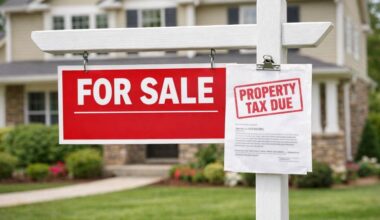
Selling a property is a major decision, especially when the home, timeline, and financial priorities do not fit a one-size-fits-all plan. Whether you are relocating, handling an inherited property, downsizing, or facing a house that needs work, it helps to understand the choices available before deciding how to sell home fast in Porterville, CA. Reviewing your options early can help you choose a selling strategy that fits your circumstances.
Porterville homeowners often balance practical concerns such as preparation costs, summer heat, moving schedules, mortgage payments, and the condition of older homes. The best-selling path is not always the one with the highest initial offer. It is the one that yields an acceptable net result while aligning with your timing, workload, and level of certainty. Comparing expected expenses, potential proceeds, and closing timelines can help you make a more informed decision.
What Porterville Sellers Should Watch
Before setting a price or accepting an offer, look at recently sold homes, properties currently competing for buyers, and the terms attached to nearby listings. A list price is a marketing decision, while a sale price is what a buyer agrees to pay. Neither figure alone tells you what will remain after loan payoff, repairs, closing charges, and other selling expenses.
Condition also matters. A clean, well-documented home may attract a different audience than one with deferred maintenance, a full cleanout, tenant occupancy, or unfinished projects. Compare properties with similar age, size, lot characteristics, and condition rather than relying only on broad county or statewide averages.
For sellers who want local guidance as they weigh timing and property condition, Romine Group – Visalia, CA, is a good starting point for discussing the practical steps involved in a Central Valley sale. Understanding the available options can help homeowners move forward with a plan that reflects their property’s condition, financial goals, and preferred timeline.
How Long a House Sale May Take
The days a home is publicly listed are only one part of the process. A sale can also involve preparation, marketing, offer review, inspections, appraisal, title work, lender underwriting, escrow, and final signing. A financed transaction may require more steps than a cash transaction, but a shorter closing date should still be accompanied by clear written terms and a credible plan to complete the purchase.
A Typical Sale Sequence
- Gather mortgage information, tax records, permits, repair invoices, and ownership documents.
- Review the home’s condition and decide what preparation is realistic.
- Choose a selling method, a pricing strategy, and a desired closing window.
- Market the property or request direct offers.
- Compare offer price, contingencies, buyer qualifications, requested credits, and closing date.
- Complete inspections, appraisal or title requirements, and escrow paperwork.
- Sign closing documents and transfer possession as agreed in the contract.
Which Repairs May Be Worth Doing Before a Sale?
Start with issues that affect safety, function, or a buyer’s ability to evaluate the house. Active leaks, broken locks, damaged doors or windows, obvious water damage, poor lighting, and excessive clutter can distract from the property’s strengths. Basic cleaning, yard maintenance, and neutral touch-up paint may also make the home easier to show without turning the sale into a long renovation project.
Large remodels deserve more caution. Replacing functional features solely because they look dated, adding luxury finishes that do not suit comparable homes, or starting projects that delay the sale can create additional costs without a commensurate increase in proceeds. Compare the expected benefit with contractor costs, permit needs, carrying costs, and the time required to finish the work.
Comparing Ways to Sell a House
Traditional Listing With an Agent
A traditional listing can expose a property to a broad group of buyers. It may also require photographs, showings, negotiations, inspections, repair discussions, and buyer financing approval. Ask for a realistic estimate of commissions, possible concessions, and the preparation expected for the home.
For-Sale-by-Owner
Selling without an agent can give an owner more direct control over marketing, scheduling, and negotiations. However, the seller is responsible for pricing research, communication, contract coordination, disclosure paperwork, and handling buyer questions. This route may require significant time and organization.
Direct Sale to a Cash Buyer
A direct sale may reduce public showings and may suit a home needing repairs, cleanout work, or a quicker decision. Sellers should still review the written offer, proof of funds, inspection terms, assignment language, closing costs, and the party responsible for title and escrow. Convenience and speed can involve a lower price than a successful open-market sale, so compare the complete financial outcome.
California Disclosures and Documentation
Selling a house in its current condition does not remove the need to address required disclosures. The California Department of Real Estate explains that a Transfer Disclosure Statement covers the property’s physical condition and potential hazards or defects in applicable residential transactions. Keep records of known repairs, prior damage, permits, insurance claims, reports, liens, and notices so you can answer questions accurately.
Some properties may involve additional considerations based on location, age, or ownership type. For example, California law requires additional fire-hazard disclosure information for certain homes in designated high- or very high-fire-hazard severity zones, including homes built before January 1, 2010. Review whether the property falls under the fire-hazard disclosure requirements and seek qualified guidance on any unusual legal, title, or condition issues.
Costs That Affect Net Proceeds
Use a simple net-proceeds worksheet before choosing a sale method. Begin with the expected price, then subtract the mortgage payoff and each likely expense. Costs may include agent compensation, escrow and title charges, repairs, cleaning, taxes, utilities, moving, storage, buyer credits, and the cost of keeping the home while the transaction is pending.
A lower offer with fewer repairs, fewer contingencies, and an earlier closing may sometimes produce a better practical outcome than a higher offer that requires extensive work or carries more uncertainty. Request written estimates whenever possible and compare like-for-like terms.
Porterville Factors That May Shape a Sale
Porterville’s warm Central Valley climate can influence exterior projects, landscaping, showings, and moving plans. Schedule roof work, painting, yard cleanup, and open-house preparation with weather and contractor availability in mind. For homes near agricultural areas or on larger parcels, buyers may also ask questions about access, drainage, wells, septic systems, outbuildings, or land use.
Older homes can require additional attention to plumbing, electrical systems, roof condition, prior additions, and available permits. Rather than assuming every feature is a problem, gather documents early and be prepared to explain what you know about the property.
A Simple Porterville Home-Selling Checklist
- Set your preferred closing date and identify nonnegotiable needs.
- Estimate the mortgage payoff, liens, taxes, and monthly carrying costs.
- List known repairs, upgrades, permits, and property concerns.
- Compare recent local sales with similar properties.
- Decide which repairs are necessary and which can be disclosed instead.
- Compare at least two selling approaches using estimated net proceeds.
- Read every offer for contingencies, fees, deadlines, and cancellation terms.
- Keep copies of signed contracts, disclosures, invoices, and closing documents.
Final Takeaway
Selling a house in Porterville is a decision about more than speed or price. It is a balance of timing, repairs, privacy, workload, risk, and the amount you expect to receive at closing. By reviewing local comparisons, documenting the home carefully, understanding disclosure responsibilities, and calculating net proceeds, you can choose a selling plan that fits both the property and your next step.