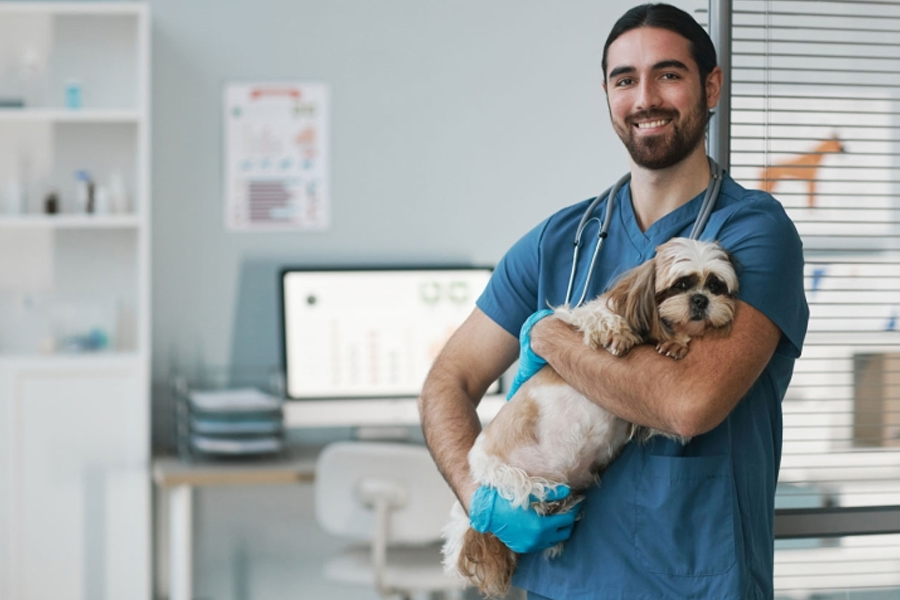
You bring your pet in because something feels off. Maybe they stopped eating, started limping, or just are not acting like themselves. That kind of worry sits in your chest the whole drive over, and once you are in the exam room, you want answers fast. You also want those answers to be right. That is where technology has changed the day to day reality of a modern veterinary clinic, including at a Dallas animal hospital.
How veterinary clinics use technology to improve outcomes comes down to a few simple things. They can spot problems earlier, confirm diagnoses with better accuracy, track treatment more closely, and move faster when time matters. Good tools do not replace the veterinarian in front of you. They help that team see more, miss less, and make better choices for your animal.
Veterinary technology improves care when small signs point to bigger problems
Pets cannot explain where it hurts or how long something has been wrong. By the time you notice a change, the issue may already be advanced. A mild cough can be heart disease. A little weight loss can be diabetes, kidney disease, or cancer. A subtle limp can be a torn ligament or early arthritis. Guesswork costs time, and time affects outcomes.
That is why diagnostic imaging, digital records, lab automation, and remote monitoring matter so much in a veterinary clinic. Digital X rays and ultrasound can show fractures, fluid buildup, masses, and organ changes far faster than older systems. In house bloodwork can reveal infection, anemia, dehydration, and metabolic disease during the same visit. Electronic medical records let the care team compare current findings with prior exams, trends in weight, lab values, medications, and vaccine history without shuffling through paper charts.
The pressure is not only medical. It is financial and emotional too. When a pet is sick, every extra visit, delayed result, or unclear answer adds stress. If a clinic can diagnose a urinary blockage, internal bleeding, or pneumonia earlier, that can reduce both the medical risk and the cost of a condition getting worse. Faster information often means more treatment options, not fewer.
Artificial intelligence is starting to support that process as well. Cornell’s work on artificial intelligence in veterinary medicine shows how AI can help veterinarians analyze imaging, data patterns, and clinical information more efficiently. Used well, tools like these support clinical judgment instead of replacing it.
Advanced equipment helps veterinary clinics treat complex cases with more precision
There is a big difference between suspecting a problem and proving it clearly enough to treat it well. A clinic with stronger imaging, surgical tools, and monitoring systems can often act with more confidence. That matters in emergencies, but it also matters in everyday care. Dental disease, heart issues, endocrine disorders, and soft tissue injuries all benefit from better visibility and tighter monitoring.
A pet under anesthesia is a good example. Older monitoring methods gave a basic picture. Newer systems can track oxygen levels, blood pressure, heart rhythm, temperature, and carbon dioxide in real time. If anything starts to shift, the veterinary team can respond before a small problem turns into a crisis.
That same pattern shows up in surgery and specialty care. Cornell recently highlighted how cutting edge veterinary equipment elevates patient care, especially when clinicians need sharper imaging and more precise tools for difficult cases. The principle applies beyond teaching hospitals. The more clearly a team can see and measure, the better they can tailor care.
Technology in animal hospitals also improves communication. When test results, images, and treatment notes are organized in one system, you are less likely to hear mixed messages. You get a clearer sense of what is happening, what the plan is, and what changes the team is watching for next.
Comparing common veterinary technology tools shows where outcomes improve
| Technology | What It Helps Detect or Manage | How It Can Improve Outcomes |
| Digital X rays | Fractures, lung disease, foreign objects, arthritis | Faster image review and quicker treatment decisions |
| Ultrasound | Organ disease, pregnancy, fluid buildup, masses | Noninvasive internal views that reduce delays in diagnosis |
| In house lab testing | Infection, kidney disease, diabetes, anemia | Same visit results can speed up medication and supportive care |
| Anesthesia monitoring | Heart rate, oxygen, blood pressure, ventilation | Earlier response to complications during procedures |
| Electronic medical records | History, medication trends, repeat symptoms | Better continuity of care and fewer missed details |
| AI supported analysis | Imaging review, pattern recognition, triage support | Added decision support for faster and more consistent review |
No tool fixes everything. A blurry X ray still needs skilled interpretation. A normal blood panel does not rule out every disease. Strong care comes from the combination of trained judgment and better information. That is the real value of modern veterinary care technology. It lowers the chance that a subtle problem gets overlooked and raises the chance that treatment starts at the right time.
Simple steps help you choose a veterinary clinic that uses technology well
Ask how diagnostics are handled. Find out whether the clinic offers in house lab work, digital imaging, ultrasound, or remote access to specialists. You are not asking for fancy extras. You are asking how quickly the team can move from concern to evidence.
Pay attention to how the clinic explains results. Good veterinary technology is only helpful if the staff can translate it into clear next steps. You should leave understanding what they found, what they ruled out, and what they want to monitor.
Keep your pet’s records organized. Bring medication lists, prior test results, and notes about behavior changes, appetite, energy, and symptoms. Even the best veterinary clinic works better with a complete picture. Small details often connect the dots.
Better veterinary outcomes start with faster answers and clearer decisions
When your pet is unwell, you do not need buzzwords. You need a clinic that can see problems clearly, respond quickly, and guide you through the next step without confusion. That is what good technology does inside a veterinary clinic. It supports earlier diagnosis, safer treatment, and steadier follow up, which gives your pet a better chance to recover well and gives you a little more peace while you wait for answers.
If you are choosing care for your animal, look for a veterinary clinic that uses modern diagnostic and treatment tools with skill and good communication. That combination is where better outcomes usually begin.