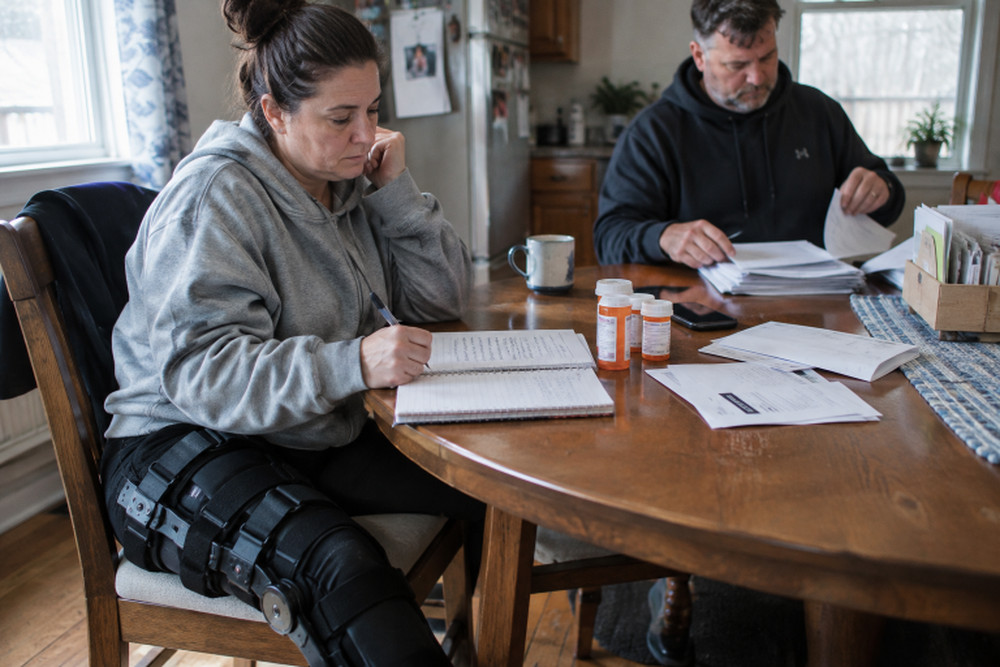
A serious injury can make an ordinary Tulsa day feel suddenly unmanageable. Whether the incident happened in a collision on a busy arterial road, a fall at a local business, or an unsafe-property accident, the first priority is protecting your health. Once urgent needs are addressed, a calm recordkeeping plan can make the days ahead less confusing. In complicated crash situations, speaking with an auto accident attorney in Tulsa, OK, may help a person understand the questions to ask before making major decisions.
This guide is not a substitute for medical or legal advice. It is a practical checklist for injured people and families in Tulsa who need to focus on care, preserve useful information, communicate carefully, and avoid unnecessary pressure during recovery.
Focus on Safety During the First Hours
Health and immediate safety come before photographs, insurance calls, or paperwork. Move away from traffic, fire, unstable structures, or other hazards when it is safe to do so. Call 911 for serious pain, heavy bleeding, trouble breathing, confusion, loss of consciousness, or a possible head or spinal injury. Do not move someone with a suspected serious injury unless staying in place creates a greater danger.
If you are able, exchange basic contact and insurance information after a vehicle crash. Ask witnesses for their names and phone numbers. Avoid debating fault at the scene. A short, accurate account of what you observed is more useful than guesses made while everyone is stressed.
Get Medical Care and Track Symptoms
Prompt evaluation matters even when an injury initially seems minor. Pain, stiffness, dizziness, and some head-injury symptoms can appear or become clearer later. The warning signs of concussion and traumatic brain injury include worsening headache, repeated vomiting, confusion, weakness, seizures, unusual behavior, or increasing drowsiness. Seek emergency care right away if those signs occur.
Follow the care plan provided by your medical professional, attend recommended follow-up visits, and report new symptoms promptly. Keep discharge instructions, prescriptions, test results, appointment summaries, and receipts. A daily note about pain levels, sleep, mobility, medication changes, and activity limits can also help you describe recovery accurately.
Preserve Evidence From the Scene
Only collect information when it is safe and practical. Photos and videos may help show conditions that later change, such as vehicle damage, skid marks, damaged flooring, poor lighting, warning signs, clothing, or visible injuries. Capture the date, time, location, weather, and relevant conditions in a written note while details are fresh.
- Save original photo and video files when possible.
- Keep damaged clothing, equipment, and personal property in a safe place.
- Request or retain police, incident, or workplace report information.
- Act quickly if nearby cameras may have recorded the event, since footage can be overwritten.
For Oklahoma vehicle collisions, keep the report number and incident details. The state explains that collision reports are requested through its collision-report request process, which may require information such as the date, location, and report number.
Build a Simple Injury File
A paper folder, cloud drive, or clearly labeled email folder can reduce stress. Create separate sections for:
- Medical records: bills, treatment plans, prescriptions, and visit dates.
- Insurance records: policy details, claim numbers, letters, emails, and call notes.
- Income records: pay stubs, missed-shift records, employer communications, and benefit information.
- Evidence: photographs, witness details, reports, repair estimates, and your timeline.
- Daily limitations: notes about driving, household work, child care, sleep, exercise, and mobility.
Handle Insurance Contact With Care
Reporting an incident is different from giving a detailed statement about fault, future medical needs, or the full impact of an injury. Review your policy, meet applicable reporting requirements, and keep copies of everything sent or received. When an adjuster calls, write down the representative’s name, company, date, time, and claim number.
Answer basic factual questions truthfully, but do not guess about speed, blame, recovery time, or future expenses. Do not sign a release or accept a settlement payment until you understand what rights or claims it may resolve. If a document is unclear, ask questions before signing.
Document Medical Costs, Lost Income, and Daily Limits
The financial effects of an injury often extend beyond an emergency-room bill. Save records for follow-up treatment, medication, medical equipment, rehabilitation, transportation, and help needed at home. Keep wage records if you miss work, reduce hours, or cannot perform your usual duties.
Small expenses matter. For example, a Tulsa resident recovering from a leg injury may be unable to drive to appointments and need rideshare trips or help with errands. Recording those costs and the reason for them creates a clearer picture of how the injury affects everyday life.
Avoid Common Mistakes That Can Hurt a Claim
- Posting detailed accounts, photos, or arguments about the incident on social media.
- Throwing away damaged property before it is photographed or evaluated.
- Relying entirely on memory instead of making dated notes.
- Skipping recommended care without discussing concerns with the provider.
- Accepting a quick payment before considering ongoing treatment or work limitations.
- Waiting until a deadline is close to learn what notice or filing requirements may apply.
Know When Legal Guidance May Help
Not every injury requires the same level of assistance. A consultation may be useful when injuries are severe, fault is disputed, several insurers or businesses are involved, a loved one has died, an insurer denies responsibility, or the injured person cannot work or manage normal tasks. It may also be important when a government agency, employer, property owner, or product maker could be involved.
Seeking information does not require anyone to file a lawsuit. It can simply help a family understand options, important records, and potential time limits.
Support an Injured Family Member
Family members can make recovery more manageable by keeping a shared calendar, attending appointments when invited, maintaining copies of records, and noting changes in memory, mood, sleep, or mobility. Respect the injured person’s privacy when giving updates. In a fatal-injury situation, families may also need to organize funeral expenses, household records, and sources of emotional support while handling immediate practical responsibilities.
Create a Calm Plan for the Weeks Ahead
After a serious Tulsa injury, start with the essentials: protect health, preserve what you can, organize records, and avoid rushed decisions. A steady approach will not erase the disruption, but it can help injured people and their families make clearer choices while recovery continues.