Why solar shopping in North Carolina feels like buying a grill and a spaceship at the same time
In North Carolina, rooftop solar shopping may be spectacular. Energy independence sounds like starting a miniature nation, according to one contractor. Your eyes scream for mercy as another dumps spreadsheets at you. In the midst, you’re trying to decide if installing roof panels is wise or an expensive method to wow the squirrels.
North Carolina has strong residential solar. Many properties in the state get enough sunlight to justify a system, and homeowners in major urban areas have enough installer competition to prevent super-high prices. Unfortunately, the ultimate fee relies on a lot of elements hidden behind the happy term solar installation. Roof form important. Shade matters. Utility rules important. Finance matters. Even your relocation preparations might ruin the celebration.
Understanding cost means more than asking, “How much are the panels?” That is like pricing a wedding by only counting the cake. The cake is nice. The rest is where your wallet starts sweating.
What actually changes the price of a home solar system
Two houses on the same street can get very different solar quotes. This happens because installers are not just selling equipment. They are solving a weird little engineering puzzle on top of your house.
The first big price driver is system size. A larger home with high air conditioning use, an electric water heater, or an electric vehicle usually needs more panels. More panels means more hardware, more labor, and in some cases electrical upgrades.
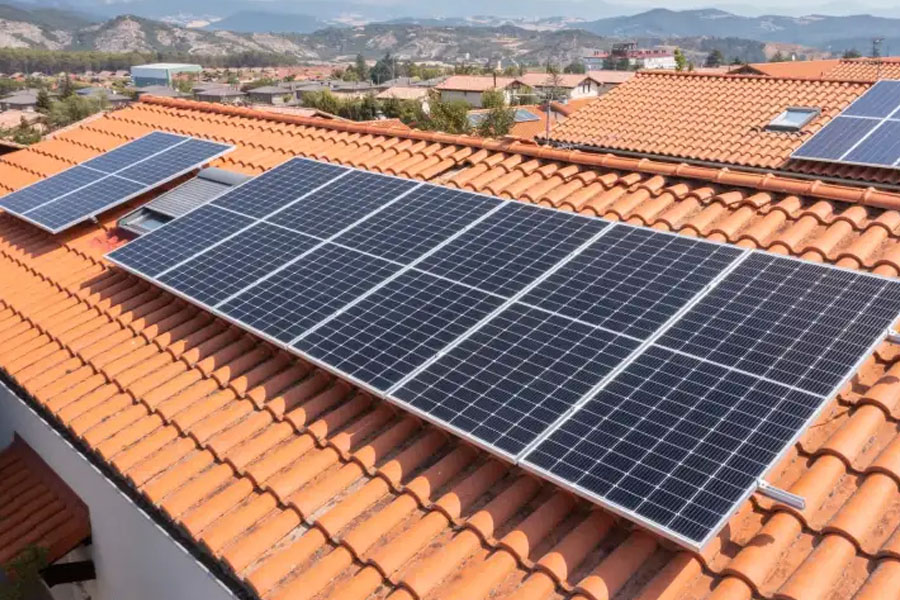
Your roof also votes. Simple roofs with large south or southwest facing portions are inexpensive and easier to deal with. Paneling a roof that appears like a caffeinated architect who loves angles, dormers, and ornamental nonsense is tougher. Complexity boosts work hours, which cost money.
Shade—the solar math enemy—is next. Chimneys, tall pines, surrounding trees, and roof features can restrict production. If just half of the roof gets excellent sun, installers may require various panel layouts or more modern equipment to produce enough. This can boost cost per watt even in smaller systems.
Also consider distance from main service locations. Many Raleigh, Durham, Greensboro, and Charlotte homeowners benefit from increased installation competition. Prices might rise in regions with fewer personnel because logistics are harder. Trucks cannot teleport. Electricians don’t fly to your county border.
The parts of a solar quote that deserve a closer look
A solar proposal usually looks tidy on the surface. One price. One estimated savings chart. A neat monthly payment if financed. But under that polished exterior, several components are doing the heavy lifting.
Panels hog the spotlight because they’re the driveway-visible roof pancakes. They make up merely a percentage of the price. Inverters transform power into home-useable electricity, making them crucial. Some systems include a central inverter, while others employ panel-mounted microinverters. While more expensive, microinverters work better on roofs with partial shade or different orientations.
Mounting equipment is another overlooked piece. North Carolina weather is not always polite. Systems need secure racking that can tolerate heat, storms, and in some regions very serious wind conditions. That hardware is not decorative. It is what keeps your investment from trying to become a kite.
People are more surprised by labor and soft costs. Site design, permitting, engineering review, utility paperwork, inspections, scheduling, and installation add up. Your primary electrical panel may need to be upgraded before the solar system can be authorized. That can quickly increase project costs.
A battery is a unique creature. Some people think solar provides backup as standard. It doesn’t. If you want lights on during outages, especially after a storm, add batteries. Batteries are helpful, but they can also make a reasonably priced project make your checking account faint on a chaise couch.
How utility rules shape the value of solar
In North Carolina, the financial value of a rooftop system is closely tied to how your utility handles excess power. This is where the project either struts proudly across the stage or trips over its own shoelaces.
The compensation mechanism important if your system supplies surplus power to the grid during sunny hours. A homeowner with good export value is more likely to get paid back. Your utility setup isn’t secondary. One of the plot’s main points.
Rate design important too. Your savings may be easier to forecast with a regular residential rate. A time-sensitive structure where power costs more during specific hours might modify your savings picture. Solar panels perform best in sunlight. Unfortunately, late afternoon and nighttime are the most expensive times to use power since your panels are relaxing and thinking about retirement. That mismatch can lower generating value without battery storage.
This is why homeowners should ask for a savings estimate based on their actual utility tariff, not a generic sunny fantasy.
Financing can make the same system look cheap or wildly expensive
A cash purchase usually gives the strongest long term value because you avoid interest and keep the full benefit of ownership. If you can pay upfront without detonating your emergency fund, this route often delivers the clearest economics.
However, loans are popular because they lessen entry barriers. Spread the expense across years instead of one large payment. That sounds nice, and it usually is. Buyers must consider dealer fees, interest rates, prepayment periods, and whether the monthly payment implies a future tax credit against the loan debt. Some sales presentations skip the last bit like a magician with a sparkling coin.
Leases and power purchase agreements minimize upfront costs but modify the relationship. You may pay less upfront, but you don’t own the system. Selling the house will have fewer long-term rewards and a more difficult tale. Potential buyers adore cheaper power bills until they hear third party contract and blink uneasily.
Roof condition can make or break the whole idea
Solar may be so exciting that people forget they’re installing it to a roof that may be leaving. If your shingles are old, brittle, curling, or acting like a haunted pie crust, replacing the roof before putting panels is best.
Nobody likes paying twice for roofing personnel to remove and reinstall panels. This is more realistic with North Carolina storms. Roof lifetime is not guaranteed due to strong rain, hail, and seasonal wind occurrences.
A sturdy roof with plenty of life left is one of the quiet heroes of a successful solar project.
Homes that usually benefit most from rooftop solar
Not every home is a solar superstar. The best candidates tend to share a few traits.
They spend much of the day in the sun. Their high electricity usage yields significant savings. Owners plan to remain awhile. Their roofs are stable and won’t need replacing soon. Their utilities system keeps exported electricity valuable.
Homes with electric vehicles, heat pumps, or large cooling loads often see stronger returns because they consume more power in the first place. A bigger bill gives solar more room to do useful work. Meanwhile, very low usage homes can struggle to make the numbers shine.
It helps if the homeowner has many motivations. Solar may disappoint you if you simply want the fastest payback on Earth. The project may make sense if you care about bill stability, resilience planning, or grid power reduction.
Hidden costs people forget to ask about
Some costs lurk quietly in the corner until the contract is halfway signed.
Tree trimming or removal can be one. North Carolina trees are generous with shade and absolutely reckless with leaves, needles, and sap. If sunlight access needs improvement, landscaping work may be necessary before installation.
Electrical upgrades are another common surprise. An older home may need a service panel replacement, rewiring adjustments, or code corrections before the utility signs off. HOA review can create delays, and occasionally there are costs related to special documentation or design modifications.
Insurance is worth checking as well. Many policies cover rooftop solar, but homeowners should confirm whether the dwelling limit still makes sense after the system is added. Better to ask now than after a storm turns the conversation spicy.
Monitoring subscriptions can also pop up depending on equipment. Some systems include monitoring for free, while others attach extra features to paid plans. It is not always a giant expense, but it is annoying when tiny recurring fees show up like raccoons in the trash.
FAQ
Is solar in North Carolina only worth it for large expensive homes
No. A modest home can still be a strong candidate if it has good sun exposure, solid roof space, and enough electric usage to generate noticeable savings. Mansion status is not required. The panels do not check your crown at the door.
Do I need a battery for solar panels to make sense
No. Many rooftop systems work perfectly well without battery storage. A battery becomes more attractive if you want backup power during outages or if your utility rate structure makes stored energy especially valuable. Otherwise, it can be an optional upgrade rather than a necessity.
Can a shady roof still support solar
Sometimes, but it depends on how much shade and when it occurs. Light or partial shading may still allow useful production, especially with equipment designed to handle panel level performance differences. Deep all day shade is a much tougher case and can sink the economics quickly.
Will solar make selling my house easier
It can, especially if the system is owned outright and lowers monthly utility costs. Buyers usually prefer a clean ownership story over a lease or a complicated transfer agreement. A paid off system is easier to market than a contract that requires extra paperwork and explanations.
How long should I plan to stay in the house
Longer is generally better. Solar tends to reward homeowners who remain in place long enough to benefit from years of reduced electric bills. If you expect to move soon, the financial upside may be less predictable, especially if market conditions or buyer preferences shift.
What should I ask an installer before signing
Find out what equipment is included, what production assumptions were used, whether electrical upgrades are likely, how roof condition affects the plan, what monitoring is provided, what warranties cover labor versus equipment, and how utility rate scenarios affect savings estimates. If the salesman suddenly wants to change the topic, that’s beneficial too.