The Simple Meaning Behind the Name
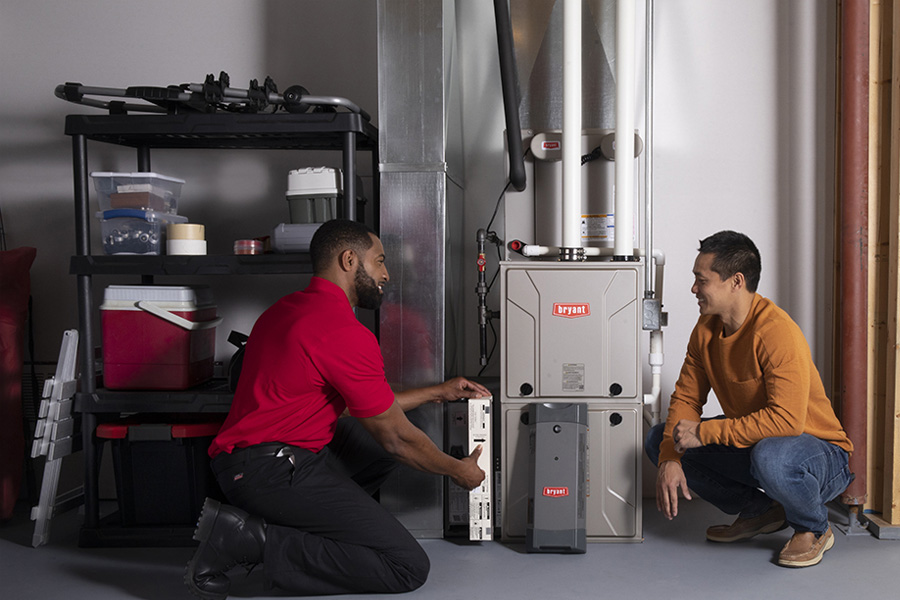
An upflow furnace often lives in the basement. Upflow is typical if your furnace is underneath the main living space and your ducts travel into the ceiling. Because basements provide space for installation, duct connections, and maintenance, this is popular. Understanding what a building already has installed is part of judging what it is worth, and the same diligence applies when it comes to best areas to invest in Richmond.
Homeowners care because furnace names typically contain spaceship-like technical terminology. Plain upflow is pleasant. Not a hidden performance boost. Not a premium badge. It basically describes how the device sits and moves air.
This system works well in many homes, especially basements. The ducts rise into the home from the furnace below, carrying warm air. The HVAC equivalent of water flowing upwards solely because a machine pushes it.
Why Orientation Matters More Than People Expect
A furnace is not just a metal box that makes heat. It is one piece of a larger system that includes return ducts, supply ducts, venting, drainage, clearance space, and service access. The orientation of the furnace affects how all those pieces line up.
That is why the word upflow matters during shopping. It tells you whether the cabinet is designed to work with the layout of your home. If the airflow direction and cabinet position do not match the house, the installation can turn into a very expensive game of indoor Tetris.
Upflow models are used if the duct system is above the unit. Consider basement utility rooms, mechanical areas, and ground-floor closets. The furnace is low, so hot air rises into the home. Direct, reasonable, clean.
Where You Usually Find an Upflow Furnace
An upflow furnace often lives in the basement. Upflow is typical if your furnace is underneath the main living space and your ducts travel into the ceiling. Because basements provide space for installation, duct connections, and maintenance, this is popular.
First-floor utility closets can also use upflow furnaces, provided the ductwork runs upward from there. In tall homes with a mechanical closet tucked near the center of the layout, this can be a neat and efficient arrangement.
You shouldn’t assume every furnace suits every place. A basement furnace and a crawlspace or attic furnace are not interchangeable since they provide the same heat. That would be like buying left shoes in your size and hope the right foot adapts.
What Upflow Does Not Tell You
This is where many shoppers get tripped up. Upflow tells you nothing about the quality of the furnace by itself. It does not reveal whether the unit is efficient, quiet, powerful, smart, basic, or fancier than your refrigerator.
You still need to look at the actual performance details:
- Heating capacity in BTUs
- Efficiency rating
- Blower motor type
- Burner stages
- Noise level
- Cabinet size
- Warranty terms
A furnace can be upflow and extremely efficient. Another can be upflow and very basic. Both can move air upward. The label does not rank the furnace. It just tells you how the unit is intended to be positioned in the airflow system.
That distinction matters because people often read installation terminology as if it were a quality score. It is not. Upflow is not better than another orientation in a universal sense. It is simply the right fit for certain homes.
Why Basements and Upflow Furnaces Get Along So Well
Basements are furnace-friendly. These provide installers, service personnel, and future repairs better access. You are not wrestling equipment through a tiny attic hatch while teetering on rafters and hating your job. Good workspace, duct routing, and drainage are frequently easier.
That convenience can influence installation complexity. A well-matched upflow furnace in a basement setup often creates a cleaner project because the equipment and the house are cooperating with each other instead of arguing.
For the homeowner, that can mean fewer installation headaches. It can also make future maintenance less dramatic. When a technician can actually reach the unit without performing advanced yoga, inspections and repairs tend to be less miserable for everyone involved.
The Difference Between Upflow Only and Multi Position Models
Not every furnace is a one-trick pony. Some are built specifically for upflow use, while others are multi-position models that can be installed in more than one orientation.
An upflow-only furnace is meant to do one job in one approved way. That can be perfectly fine if the furnace is staying in a basement mechanical area and there is no reason to expect a future relocation.
A multi-position furnace gives more flexibility. It may be approved for upflow, horizontal, and sometimes additional configurations depending on the manufacturer. That can be useful for homeowners planning renovations, additions, or layout changes later on.
The extra flexibility can come with a slightly higher price, but the real value is in future options. If the home may change, the furnace does not become a stubborn appliance that refuses to cooperate.
How to Tell What Your Home Needs
The easiest clue is your current setup. Look at where the furnace sits and where the ducts go. If the unit is below the living space and the supply plenum leaves from the top into ducts above, that points to an upflow arrangement.
You may also view the mechanical room overall. Return air pathways, vent connections, drain routing, and access space indicate orientation. Homeowners benefit from knowing the essentials, but contractors should confirm this during the estimate. It clarifies the discourse and helps identify matching quotes and houses.
If you are replacing an existing furnace, the old installation often provides the strongest hint. Homes are not always simple, but they are rarely shy. The ductwork usually tells the story immediately.
Common Shopping Mistakes With Furnace Orientation
One mistake is focusing only on efficiency and ignoring orientation entirely. A homeowner may zero in on a high-efficiency unit, a shiny variable-speed blower, or a brand name they like, then discover the furnace is not designed for the actual installation location.
Another mistake is assuming a furnace can just be turned however the installer wants. Furnaces are engineered with approved positions, not freestyle improvisation. Airflow, condensate handling, venting, and safety clearances all depend on following those approved configurations.
A third mistake is thinking orientation determines comfort. It does not. Proper sizing, duct design, airflow balance, filtration, and thermostat control matter far more. Upflow simply means the furnace is facing the right direction for the job.
Why This Term Shows Up on Quotes
Contractors include orientation because it’s a requirement, not a decoration. A estimate for an upflow furnace indicates a specific installation. It simplifies model comparisons, especially if the same furnace line has many variants.
This is useful because furnace model numbers can look like someone spilled alphabet soup onto a barcode. A plain-language note such as upflow gives the homeowner one grounded fact to hold onto. It identifies the cabinet style and intended airflow path within the home.
When comparing proposals, it is worth checking whether each quote lists the same orientation. If one says upflow and another lists a different configuration, that difference deserves an explanation before anyone starts carrying equipment downstairs.
FAQ
How can I tell if my existing furnace is upflow?
Upflow furnaces draw air from below or near the bottom and deliver it out through top-connected ducting. Look at the location in numerous residences to confirm. Normal is for the unit to be in the basement and the main supply ducts to rise above it.
Does an upflow furnace heat better than other furnace types?
No. Upflow refers to the direction of airflow through the cabinet, not to heating strength or efficiency. Two furnaces with the same capacity and performance features can heat equally well even if they are designed for different installation orientations.
Is an upflow furnace only for basements?
No. Basements are the most common location, but an upflow furnace can also work in a first-floor closet or utility space when the duct system is designed to carry heated air upward. The real issue is the duct layout, not the room label.
Can I replace an upflow furnace with any new furnace that has the same BTU rating?
Not wisely or securely. Matching BTUs is insufficient. The replacement furnace must fit the existing ducting, venting, and space and be authorized for the right orientation. A furnace with the correct heating capacity may be improperly installed.
Is upflow related to energy savings?
Not by itself. Energy savings come from factors like efficiency rating, blower design, system sizing, insulation levels, and duct condition. Upflow simply identifies how the furnace is positioned to move air through the home.
Why do some homeowners choose a multi-position furnace instead?
They want flexibility. A multi-position model can be useful when future remodeling may change the installation location or when the home layout gives more than one workable configuration. It is a way to keep options open without changing the basic purpose of the system.