Why These Bendy Panels Keep Getting Attention
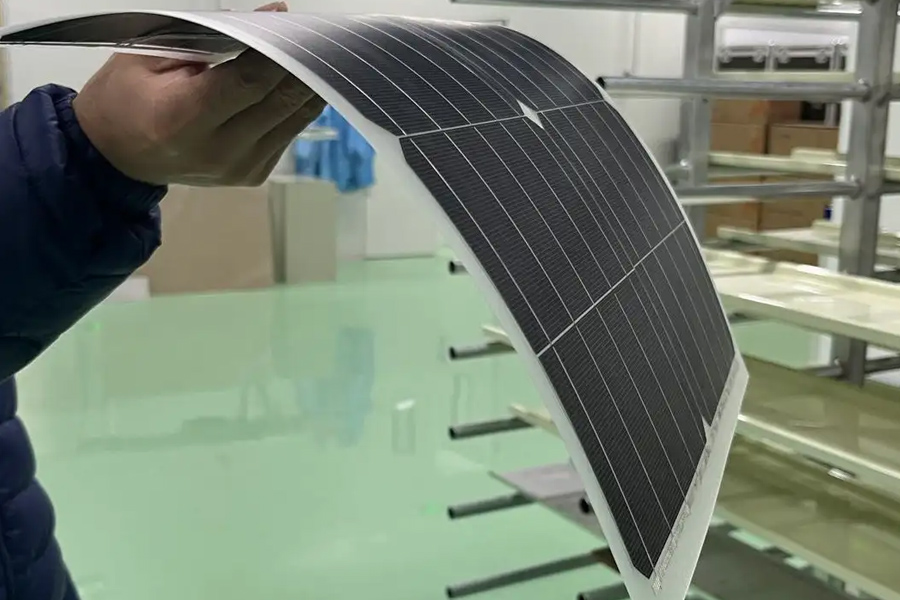
The flexible solar panels contain movie hero energy. They are tiny, sleek, portable, and appear like they belong on a futuristic van roof heading toward a beach sunset. They offer solar electricity without any hardware placed everywhere like a metal jungle gym, so people adore them.
The appeal is real. Flexible panels are lighter, simpler to put on curves, and less bossy. RVs, camper vans, and small boats might seem like elegant solutions to difficult problems. Like an obstinate dining table, not every roof wants a thick rectangle of glass on top.
Flexible panels must endure more than stiff ones. Though sleek, its small construction has drawbacks. The ease, form, and low weight of these products are generally selected above their durability. Consider these performance sneakers. Not for twenty years of firewood chopping, but great for the task.
What Really Limits Their Lifespan
The cell is the heart of a solar panel, but the body is just as important. Flexible solar panels generate power, but their outer layers are constantly exposed to sunshine, heat, moisture, and expansion. Lack of spirit is not the issue. They must live in materials that age quicker than a rigid panel’s casing.
Plastic outer layers fade with time. Sunlight can cloud them. Heat may fatigue and irritate adhesives. Moisture may slowly revolt within the panel, corroding connections and limiting performance. More like a gradual, irritating betrayal than a stunning explosion.
Temperature worsens everything. Flexible panels put flat against roofs or decks reduce airflow. Without cooling, they heat quickly. Hot panels are unhappy. It ages quicker and functions less effectively now. Solar equipment doesn’t appreciate being toasted like a stovetop pan.
How Long You Can Expect Them to Last
Flexible solar panels are helpful but not legendary in everyday usage. A excellent one lasts for years. Poor people may age poorly sooner. Build quality, installation technique, and environmental harshness affect lifespan.
Premium flexible panels can last for years if not constantly exposed to harsh circumstances. Budget models age quicker. The outer layers are more susceptible to dull, break, or detach. That lowers performance and makes reliability uncertain.
Permanent exposure is worse than portable usage. A panel that spends most of the year indoors and only travels escapes most of the damage that ruins outdoor gear. A panel that suns itself daily on a hot roof would age quicker than one that works weekends and rests in a closet.
Where Flexible Panels Actually Shine
This is where flexible panels earn their keep. They are excellent problem-solvers in places where rigid panels are awkward, heavy, or simply unrealistic.
An RV roof is typical. Like a shopping cart on a hill, cars wobble, bounce, and face headwinds. A roof-mounted lightweight panel may be feasible. It reduces height, drag, and the cumbersome appearance of higher racks. For vehicle streamliners, that matters.
Boats also benefit from flexible designs. Marine spaces are full of curves, narrow surfaces, and limited real estate. Flexible panels can fit where rigid ones would throw a tantrum. They also keep weight down, which is never a bad thing when your floor is floating.
Another good fit is portable setups. Campers, overlanders, and emergency preparedness enthusiasts cherish portable gear. A flexible panel may fit in compact storage and travel without a throne. Mobility is more important than decades of permanent production, so that convenience is great.
Where They Make Less Sense
Flexible panels frequently lose out when outfitting a house, workshop, lodge, or stationary building with ample of mounting space. Their shorter lifetime and higher fragility make long-term investments harder. A rigid panel can last outside year after year without melting into a sad, fuzzy pancake.
Fixed installations reward durability. When the panel is expected to sit in the same place for ages, strength matters more than elegance. In those settings, a rigid panel behaves like a dependable pickup truck. A flexible panel behaves more like a stylish scooter with excellent intentions.
This matters financially too. Replacing equipment every several years adds up. What feels convenient at purchase can become expensive over time if the panel needs replacing long before the rest of the system does. Nobody likes discovering that the bargain solution has the appetite of a spoiled pet.
Habits That Help Flexible Panels Last Longer
Installation makes a huge difference. One of the smartest moves is to create some breathing room underneath the panel whenever possible. Even a little air circulation can reduce heat buildup. Cooler operation helps preserve both performance and lifespan.
Also crucial is gentle treatment. Flexible doesn’t mean unbreakable. These panels keep curved shapes better than bending, rolling, folding, and wrestling. Flexing repeatedly stresses internal bonds. Treating the panel like a yoga mat shortens its lifespan quickly.
Cleaning should be calm and boring. That is a compliment. Harsh scrubbing can damage the outer layer and speed up wear. Soft cloths, mild methods, and patience go a long way. The goal is to remove grime, not audition for a kitchen sponge commercial.
Storage matters more than most think. Keeping a portable panel indoors while not in use will greatly maintain it. When machinery is idle, sunlight, moisture, and temperature changes continue. Sheltered panels prevent harm without doing anything, which is quite effective.
The Difference Between Cheap and Premium Flexible Panels
Not all flexible panels belong in the same basket. Some are built with better protective layers, stronger lamination, and more careful manufacturing. Others are built to win a race to the lowest price and then disappear into the mist like a suspicious carnival vendor.
Premium flexible panels generally resist sun and weather better. They are the ones more likely to survive years of use without quickly turning cloudy or peeling. They cost more up front, but they are better suited to real installations where failure would be annoying, expensive, or both.
Budget panels can remain. For temporary power, occasional travel, experimental projects, or backup use, they may work. Expecting a cheap model to perform like a premium product under rigorous full-time duty is wrong. Like asking a foldable lawn chair to be a family heirloom.
What Buyers Should Think About Before Choosing
The best choice depends less on hype and more on lifestyle. Start with the mounting surface. Is it curved? Is weight a concern? Is low profile essential? If yes, flexible panels deserve serious attention.
Then think about heat. Will the panel sit flat on a dark roof in fierce sun? That setup is rough. If there is a way to improve airflow, it is worth considering. Next, think about usage patterns. Daily exposure year-round is a very different story from occasional weekend use.
Finally, be honest about expectations. If you want the lowest lifetime cost and the longest service life, rigid panels are usually the smarter pick. If you need adaptability, light weight, and a shape that plays nicely with unusual surfaces, flexible panels bring valuable talents to the table.
FAQ
Are flexible solar panels good for everyday full time use?
They can, but only if their particular advantages warrant their shortened lifespan. If low weight, profile, and surface form matter, RV or boat full-time use makes sense. Their durability is worse for fixed installations with stiff panels.
Do flexible panels stop working suddenly?
Usually not. Most decline gradually. Output often drops as the outer layer ages, moisture gets inside, or internal connections weaken. Instead of a dramatic all-or-nothing failure, many panels become less effective little by little until replacement is the practical choice.
Can heat alone damage a flexible panel?
Yes. High temperatures can accelerate wear on the outer layer, adhesives, and internal connections. A panel that runs hot day after day tends to age faster than one with better airflow and lower operating temperature.
Are portable flexible panels a better value than roof mounted ones?
They can be, especially if they are stored indoors between uses. Portable panels avoid constant weather exposure, which helps them stay in better shape for longer. If used only during trips or emergencies, they may deliver a very reasonable service life.
Is a lighter panel always better?
Not necessarily. Lower weight is a major benefit on vehicles and boats, but it often comes with reduced structural protection. The best panel is not simply the lightest one. It is the one that matches the job without sacrificing too much durability.
Can flexible panels handle curved surfaces well?
Yes, within limits. They are useful for gentle curves and uneven mounting areas where rigid panels would struggle. They are not magic blankets, though. Excessive bending or repeated reshaping can damage them, so they should be mounted according to their design limits.