Why a Full Kitchen Overhaul Is Not the Only Path
Perfect bread might feel dismal in a tired kitchen. Cabinets are tired. The lights evoke a dentist’s corridor. Since 2014, every roast meal has left emotional baggage in the oven. Many homeowners think the only solution is a comprehensive makeover with skip bins, dust storms, and surprise charges.
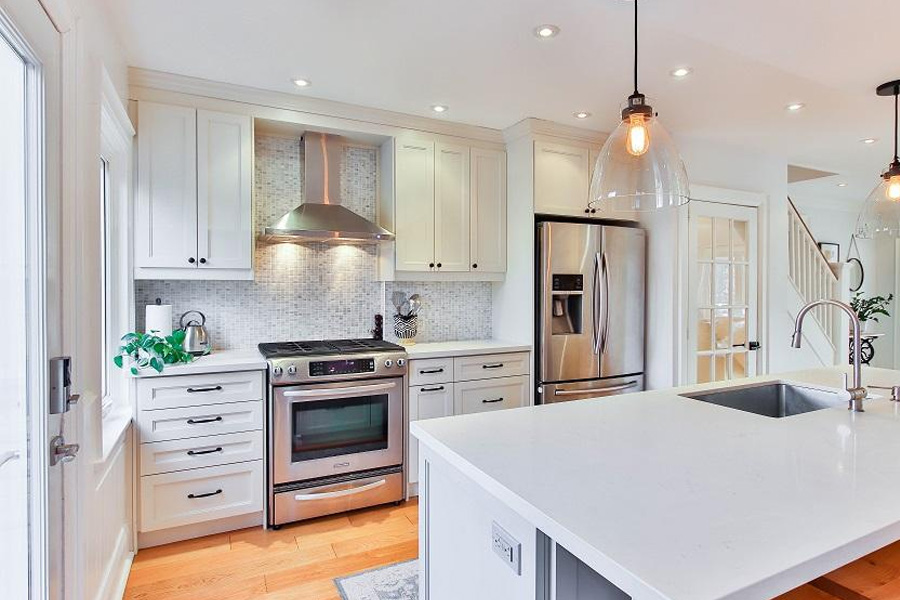
However, a kitchen may be new, trendy, and more enjoyable without a complete remodel. Some of the smartest changes are the least physical but the most visible. A thoughtful refresh enhances the existing features, sharpens the details, and gives the area a new personality without turning your house into a construction site.
Focus on visually significant changes. Imagine giving your kitchen a fitted jacket instead of a whole makeover. A few well-chosen modifications may make the area seem cleaner, brighter, and more modern without the turmoil of a huge job.
Cabinets Deserve a Second Chance
Kitchen cabinets take center stage. They are the room’s huge wall-sized elephants, but less charming and more likely to chip laminate. Their wear makes the area feel older than it is. Fortunately, cabinets frequently appear worse than they are.
Complete replacement is costly, disruptive, and unneeded. Refreshing the outside may transform a room if the cabinet boxes are intact and the layout works. A fresh coat of paint, a professional spray finish, or modern-style doors may work miracles. Kitchen suddenly no longer resembles dial-up.
Color matters a lot. Soft whites illuminate dull rooms. Warm greys finish well without being chilly. With modest wood accents, deep green or subtle blue may give a kitchen individuality. A two-tone appearance with darker base cabinets and lighter uppers may provide dimension and customizability.
Surface prep important. Painting oily cupboard doors is a recipe for regret. A well-sanded, cleaned, and primed finish appears deliberate. Spray application is better than brushing for factory-style smoothness. With patience and the right supplies, meticulous painting may look great if you prefer a hands-on approach.
Your Benchtops Might Not Need Replacing
Benchtops are often treated like untouchable royalty. If they are not premium stone, people assume they must go. Yet many kitchen surfaces can be refreshed rather than replaced, especially if the main complaint is cosmetic rather than structural, adds the KRS Durham Management team.
In certain cases, laminate benchtops with superficial damage can be resurfaced or refinished. Sanding and resealing timber surfaces restores warmth and texture after years of splashes and scratches. Keeping the same form and footprint can greatly simplify labor and installation even if a full replacement is needed.
Use restraint to your advantage financially. Budgets vanish when you change the layout after seeing an amazing remodeling video at midnight. Maintaining the work triangle and room flow lets you invest where the eye will notice it.
Lighting Can Rescue a Gloomy Room
Bad kitchen lighting is surprisingly powerful. It can make fresh paint look dull, polished surfaces look tired, and your dinner prep feel like a scene from an underfunded detective series. Good lighting, on the other hand, wakes the entire room up.
Layer light first. Overhead illumination provides overall visibility, but not exclusively. Under-cabinet lighting illuminates benches, making food preparation easier and the kitchen more elegant. Pendant lights above an island or dining area provide structure, texture, and drama without disruption.
Bulb temperature matters. A harsh icy white may make the space appear sterile, while a warm light can make everything look buttery. A balanced warm white generally looks best in a kitchen that handles both utilitarian work and informal social time.
Lighting is one of those upgrades that people underestimate until it is done. Then suddenly they are standing in the room admiring their fruit bowl like it belongs in a magazine spread.
Hardware Is Small But Shockingly Mighty
Never underestimate the power of swapping out tiny pieces of metal. Old handles, knobs, and tapware can drag a kitchen’s style backward faster than almost anything else. They are the accessories of the room, and outdated accessories can make even a nicely refreshed kitchen feel unfinished.
New cabinet knobs provide clarity and contrast. Contemporary black hardware feels fresh. Brushed brass is warm and swaggery. Practical and timeless, stainless finishes. The pick should match the environment, but consistency is more important than trending. When every fixture appears like it originated from a different decade, the kitchen becomes perplexing.
Same with taps. Slim, contemporary mixers make sinks seem cleaner and more intentional. Choosing a model that fits existing piping and cutouts simplifies the upgrading. You get a visual improvement without a costly chain reaction.
Soap dispensers, sink strainers, and matching accessories can also help tie the look together. It sounds small because it is small, but these details are often what make a kitchen feel properly considered rather than halfway refreshed.
The Oven Might Be Ugly Not Useless
Many kitchens look older simply because the appliances look neglected. A grimy oven, streaky cooktop, or rangehood coated in ancient grease can age the room by ten years in a single glance. People often assume the appliance itself is the problem when the real villain is built-up residue.
A comprehensive appliance clean may transform look and function. Layers of burnt-on filth in ovens reduce heat efficiency and make the equipment seem defeated. Cleaning glass, racks, seals, and inner surfaces improves clarity, performance, and makes the appliance look fresher.
Rangehoods matter too. Clogged filters cannot eliminate smoke, steam, and cooking odors. This makes the kitchen stuffier, surfaces grimier faster, and every stir-fry leaves a mark. Filter cleaning or replacement instantly enhances airflow and freshness.
Sometimes the most glamorous renovation move is not glamorous at all. Sometimes it is just removing five years of baked-on lasagne evidence and letting the appliance recover its dignity.
Open Shelving Works Best in Small Doses
Open shelving has a reputation for looking charming in photos and chaotic in real life. Both things are true. Used thoughtfully, it can make a kitchen feel lighter and more open. Used recklessly, it becomes a public exhibition of mismatched mugs and one lonely cereal bowl.
The trick is moderation. Replacing one upper cabinet section with a couple of open shelves can visually break up a heavy wall and give you a place to display attractive essentials. Think glasses, neat stacks of dishes, or a few ceramics that look intentional rather than random.
Full-height cabinets might feel clunky in smaller kitchens, so this method works nicely. The area gains breathing room without losing structure. Try not to regard every shelf as a storage emergency. Open shelving incorporates exhibition, utility, and discipline.
Walls and Splashbacks Can Change the Mood Fast
If cabinets are the face of the kitchen, the walls and splashback are the expression. A dated tile pattern or stained painted wall can pull attention in all the wrong directions. Updating these surfaces can make the room feel cleaner and more current without touching the layout.
Peel-and-stick splashbacks have improved and are good for renters or cautious upgraders, whereas tiled splashbacks endure longer and look better. Easy-to-style subway tiles are still popular, but textured or zellige-inspired finishes may offer character without overpowering the area.
Paint also matters more than people think. The right wall colour can support cabinetry, reflect light, and soften harsher finishes. Kitchens benefit from colours that feel fresh and welcoming, not gloomy or overly stark. It is less about chasing a trend and more about helping the room breathe.
Storage Tweaks Can Make the Kitchen Feel New
The kitchen feels better when it works. That seems apparent, yet many people focus on surfaces and forget how irritating bad storage is. Even a nice place might seem ancient with a stuck drawer, a corner cabinet that eats containers, or a utensil layout that required archaeology to find tongs.
Simple internal upgrades can greatly improve life. Drawer dividers, pull-out baskets, lazy Susans, and shelf risers make awkward places functional. Bins in under-sink cabinets hide clutter and make cleaning materials accessible. Vertical tray storage keeps baking sheets from clanging when the cabinet opens.
These changes are not flashy, but they make the kitchen feel more intelligent. And there is something deeply satisfying about opening a drawer and finding exactly what you need without performing a full excavation.
FAQ
What is the cheapest way to make a kitchen look newer
Painting cabinets, changing handles, and improving lighting usually deliver the biggest visual improvement for the lowest cost. Cleaning appliances thoroughly and decluttering benches also help the space look fresher almost immediately.
Can I refresh my kitchen without changing the layout
Yes. Keeping the existing layout is often the smartest way to control costs. You can still transform the room through surface updates, better lighting, new fixtures, refreshed cabinetry, and more efficient storage.
Are old appliances always worth replacing
Not always. If an appliance still works well, a professional deep clean and minor maintenance can make it look and perform much better. Replacement makes more sense when the unit is unreliable, inefficient, or beyond practical repair.
How do I stop a budget kitchen update from looking cheap
Choose a consistent style, limit the number of finishes, and focus on quality where the eye lands first. Clean lines, good lighting, tidy installation, and coordinated hardware make a much bigger difference than trying to cram in too many ideas at once.
Is open shelving a good idea for every kitchen
No. It works best when used sparingly and styled with care. A small amount of open shelving can make a kitchen feel lighter, but too much can create visual clutter and increase the need for constant tidiness.