Why Video Budgets Can Feel Like a Wild Guess
Asking three individuals how much a business video should cost may get three cowboy-hat replies. One individual imagines a rapid camera-mic shot. Another shows drone images over red rock cliffs, dramatic lighting, a professional script, and a music that makes everyone feel 10% more heroic. Both discuss video. Neither discusses the same work.
That is why pricing in Utah can swing so much from project to project. Video production is not a single product sitting on a shelf with a neat price tag. It is a blend of planning, talent, equipment, timing, logistics, editing, and creative choices. Every decision changes the total.
For businesses, the smartest way to approach production is to understand what actually pushes the number up or keeps it under control. Once those moving parts become clear, the budget stops looking mysterious and starts looking manageable.
The Goal of the Video Sets the Tone for Everything
Before anyone powers on a camera, the biggest budget question is simple: what is this video supposed to do?
Local firm recruitment videos have distinct demands than product launch videos, charitable brand stories, or tourism videos that audition for movie roles by showing Utah landscape. Lean production is possible with basic communication. The project normally requires more to dazzle, persuade, and glitter like a showroom floor.
Purpose influences most choices. Social media commercial videos may need several quick cuts, rapid pacing, and vertical structure. A website homepage video may need better branding and visuals. Training videos emphasize clarity over flare, but commercials desire both.
When the objective is clearly defined, the team can build the right plan instead of tossing money at unnecessary extras. That alone can save a business from paying for features it never truly needed.
Preproduction Is Where Expensive Chaos Gets Prevented
Preproduction isn’t glamorous, but it prevents future issues. Concept, screenplay, scheduling, shot preparation, talent coordination, and site organization are included. This is where grownups sit down and prevent the project from becoming a pricey scavenger hunt.
The stronger the planning, the smoother the shoot. If the script is unfinished, if the schedule is vague, or if no one knows who is supposed to be on camera at 10 a.m., production day can burn time faster than a summer parking lot burns bare feet.
This phase affects pricing because experienced teams spend time creating structure. They ask practical questions. What is the key message? Who needs to approve the script? What props are required? Will the video need a voiceover? Is there a backup plan if outdoor weather becomes moody and dramatic?
Good planning is not filler. It is a cost-control tool wearing a clipboard.
The Style of the Video Changes the Production Load
Not all videos ask for the same level of visual ambition. A straightforward talking-head interview can be elegant and effective with a smaller setup. A brand film with multiple locations, actors, movement, and stylized lighting is a whole different animal.
Some common style choices that affect cost include:
More cinematic camera work
Custom lighting setups
Slow motion footage
Aerial drone coverage
Styled sets or props
On-screen talent or presenters
Detailed brand graphics
Layered creative visions demand more time and effort. Something that seems easy on film might be complicated behind the scenes. That slick five-second clip of a founder going through the workplace may have required many takes, lighting modifications, and enough gear to make the area appear like a little scientific lab.
Crew Size Matters More Than Many Clients Expect
Many associate video creation with a camera operator hitting record. Professional job frequently requires a team. That crew may comprise a director, producer, camera operator, assistant camera, gaffer, audio technician, drone operator, makeup artist, stylist, and production assistants, depending on the project.
A small project may only need a compact crew with overlapping roles. That can be efficient and budget friendly. A larger production, however, benefits from specialists who each focus on one job well.
This is where cost grows for a very good reason. A skilled crew keeps quality high and mistakes low. Clean audio, flattering lighting, smooth camera movement, and organized execution do not happen by accident. They happen because trained people are paying attention.
Trying to save money by using too few crew members can backfire. One person cannot always run sound, light the scene, direct the talent, manage the schedule, and frame the perfect shot without eventually looking like a stressed octopus.
Gear Is Not Just Fancy Toys With Lenses
Professional equipment costs, but it addresses issues and enhances results. Higher dynamic range cameras make scenes appear richer and smoother. High-end microphones catch voices clearly, not like cereal box recordings. Lighting tools enhance brand credibility.
Production budgets often include gear such as:
Cinema cameras
Prime and zoom lenses
Wireless microphones
Boom audio systems
LED lighting kits
Gimbals or sliders
Teleprompters
Drone packages
Monitoring equipment
Not every project needs every tool. The point is that. Instead of hauling in every gadget like a proud raccoon with a treasure trove, the correct production team fits gear to goals. Still, equipment might be expensive if a project requires a high-end visual style or intricate setup.
Utah Locations Bring Beauty and Logistics in Equal Measure
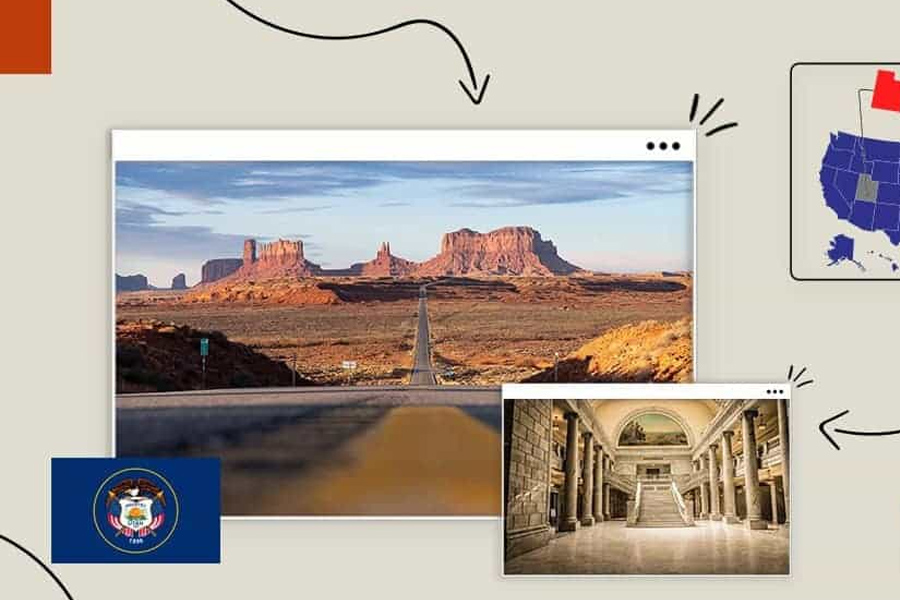
Utah is visually generous. Mountains, deserts, modern cityscapes, charming small towns, salt flats, forests, and dramatic skies all show up ready for the camera. That beauty can add enormous value to a video. It can also add practical costs.
Location expenses may include permits, travel, parking, lodging, insurance requirements, location fees, and time spent transporting equipment. A downtown corporate office shoot differs greatly from a sunrise production in a remote scenic area where everyone must arrive before the sun gets ideas.
Weather also matters. Outdoor filming in Utah can be stunning, but it can also be windy, bright, cold, dusty, or all four before lunch. A location that seems simple in a brainstorming session may require more preparation on the day of production.
If multiple sites are involved, time becomes a budget issue. Every company move between locations means packing gear, traveling, unloading, resetting, and repeating the cycle. It is useful, but it is not free.
Talent and On Screen Performance Affect the Final Number
Some videos feature employees or executives. Others use actors, voice artists, or professional hosts. The talent choice changes both budget and workflow.
Using real staff people on camera may be cheaper, but it may take more effort to make nonprofessionals comfortable and speak naturally. Although more expensive, professional talent frequently performs better and more polished.
Voiceover adds another layer. A well-delivered narration can elevate a project, especially in promotional or educational content. That service may involve auditioning voices, recording sessions, and licensing terms. One smooth sentence on screen can hide a lot of work behind the curtain.
Editing Is Where the Raw Ingredients Become Dinner
Filming produces the ingredients. Editing cooks the meal.
Post-production includes sorting footage, selecting takes, assembling the story, balancing sound, correcting color, adding music, placing logos or text, adjusting pacing, and preparing final exports for different platforms. This stage can be light or extensive depending on the project.
Motion graphics, animation, elaborate sound design, subtitles, many versions, and extended customer feedback rounds cost more than a basic edit with few modifications. Faster delivery times require the team to change timetables and prioritize the project, which increases costs.
Businesses overlook how much editing affects the final product. spectacular post-production may make an average shot spectacular. Rushing or inattentive editing might derail a good shoot. This is why post-production is not leftovers. Magic, discipline, and little timeline issues coexist there.
Revisions Can Be Small Tweaks or Budget Goblins
Most video projects include revision rounds. That is normal and healthy. Brands need time to review, refine messaging, and make sure the final piece matches their standards.
However, revisions can become costly when direction changes late in the process. Swapping a few lines of text is one thing. Reworking the structure of the entire video, replacing scenes, or changing the message after filming is another.
Clear approval steps help avoid this. If the script, visual direction, and key stakeholders are aligned early, revisions stay manageable. If ten people begin sending conflicting feedback after the first edit, the budget may start sweating.
Turnaround Time Can Raise the Price Quickly
A generous timeline gives production teams room to schedule efficiently, edit carefully, and solve issues without panic. A compressed timeline often requires rush planning, faster editing, more immediate approvals, and occasional schedule juggling.
That urgency costs more because it asks the team to prioritize one project over others and possibly add extra labor to hit the deadline. If a business needs a video completed for an event, launch, or campaign with almost no breathing room, the price may reflect that pressure.
Fast is possible. Fast and cheap and polished at the same time is where the fantasy creature usually appears.
FAQ
Why do two videos with the same length have very different prices
Length alone does not determine effort. A thirty second commercial with multiple actors, location changes, stylized lighting, and heavy graphics can cost far more than a three minute interview video. Complexity drives price much more than runtime.
Is a smaller crew always the cheaper and smarter option
It may be cheaper at first, but not always smarter. Small crews work well for simple projects. More complex productions often need specialists so the quality stays high and the day runs efficiently.
Do scenic Utah locations automatically make a video more expensive
Not automatically, but they often add costs related to travel, timing, permits, weather planning, and equipment transport. The visual payoff can be excellent, though, especially when location is central to the message.
What part of production do businesses most often underestimate
Editing. Many clients focus on shoot day because it is visible and exciting, but post-production is where structure, polish, and branding truly come together.
How can a business keep video costs under control without hurting quality
The best way is to define the goal clearly, keep the concept focused, limit unnecessary locations, approve the script early, and work with a team that matches the production approach to the real business need.