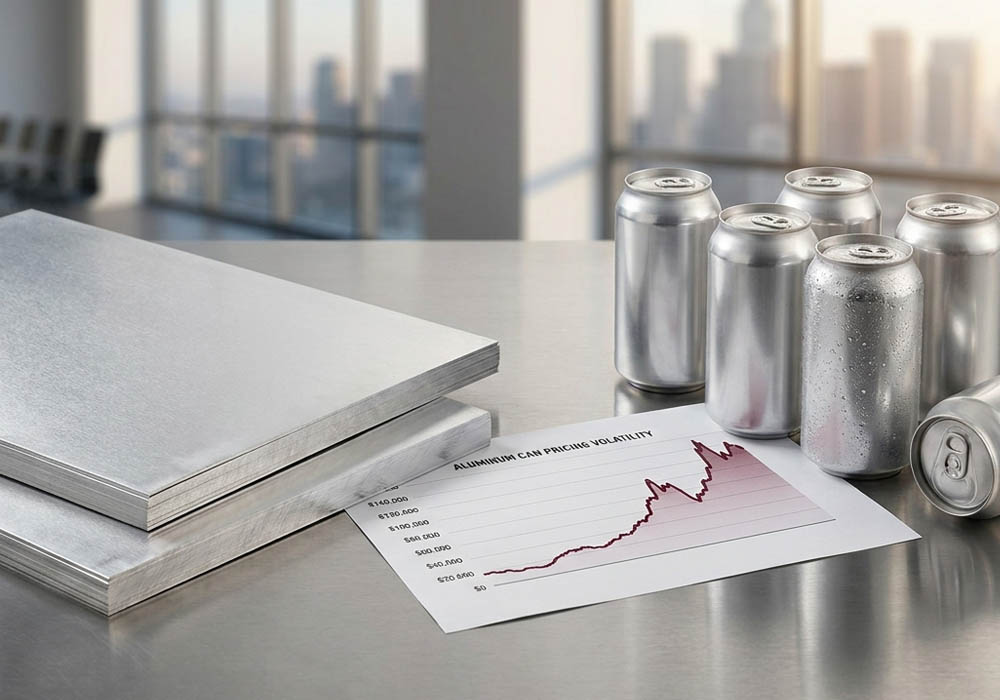
Mechanics of Industrial Metal Trading
Navigating the global landscape of base metals requires a clear understanding of the core variables that dictate raw material pricing. Industrial materials act as structural foundation elements for global infrastructure development, manufacturing expansion, and green technology deployment. For asset allocators and corporate procurement specialists, evaluating shifts in metal indices provides broad insights into global economic cycles. Because heavy industries rely heavily on a stable cost framework, unexpected alterations in base metal values can rapidly impact corporate profit margins. Developing a reliable framework to track these daily pricing adjustments helps market players safeguard capital and optimize production timelines effectively.
Global Demand Trajectories and Industrial Consumption
The industrial demand originating from major economic systems plays a fundamental role in shaping international metal benchmarks. Because they are highly resistant to rust, lightweight, non-ferrous metals are used in large amounts in industries including real estate development, industrial aircraft building, and car production. When primary industrial economies enter aggressive growth phases, global manufacturing metrics expand quickly, causing a sharp rise in buy orders. Within the digital commodity market, active participants continuously monitor manufacturing production numbers and vehicle sales data to project upcoming usage cycles. A sudden slowdown in global infrastructure spending instantly dampens procurement activity, forcing sellers to lower their expectations to clear material surpluses across global exchanges.
Smelting Operations and High Energy Dependency
One of the most energy-intensive production processes used in contemporary heavy industry is the refining of raw bauxite into high-purity metal. A steady, high-volume source of electricity is necessary for the manufacture of aluminum in order to maintain smelting pots at ideal temperatures. Thus, the standard cost structure of main metal refiners is directly affected by global changes in power prices, natural gas limits, or thermal coal shortages. Processing facilities are frequently forced to lower output or fully shut down furnaces whenever regional energy crises strike major mining hubs. These operational supply shortfalls push up production costs, causing an immediate appreciation in the international aluminium price across global derivatives desks.
Geopolitical Decisions and International Supply Channels
Global material transport lanes are often remade in relatively short times by cross-border trade frameworks, environmental laws, and political acts. Established business sourcing strategy may be severely disrupted by the application of import limits, trade tariffs, or environmental compliance requirements. Downstream markets experience sudden inventory deficits when major manufacturing nations place limits on raw material flows because of regional conflicts. These systemic bottle-necks across international shipping lanes cause sudden valuation swings, pushing participants in the commodity market to hedge exposures quickly via futures contracts. Observing real-time warehouse inventory trends and changes in open interest metrics helps corporate treasurers prepare for sudden trade-driven disruptions before they manifest in localized supply chains.
Shifting Currency Valuations and Interest Rate Horizons
Because standard base metal contracts are denominated in major international reserve currencies, the global value of the US Dollar influences pricing trends heavily. A strengthening dollar naturally makes raw material procurement more expensive for overseas buyers using localized corporate currencies, which often cools down international purchase volumes. Conversely, when the reserve currency softens, international purchasing power expands, fueling broad upward momentum in the global aluminium price. Furthermore, alterations in central bank interest rate frameworks adjust the holding costs of physical inventories for large-scale warehouse operators. Higher financing costs encourage traders to liquidate physical stockpiles, which can place temporary downward pressure on near-term contract valuations.
Utilizing Automated Tools for Market Navigation
Successfully managing base metal procurement requires transitioning from emotional execution to objective, data-driven analytical tracking routines. Corporate buyers leverage advanced derivatives platforms to monitor live contract movements, tracking daily volume spikes and structural forward curves across different contract months. Supply chain experts can decide whether to postpone short-term purchases or build up physical delivery inventories by keeping an eye on the daily aluminium price. By carefully spreading financial risk over several delivery dates, cash flow instability is reduced and business budgets are protected from unforeseen industry shocks. Modern businesses can easily handle complicated raw material swings by adding systematic, multi-layered risk measures to preserve working capital.