The Cloudy State Has a Sneaky Advantage
Oregon is known for dreary skies, rainy mornings, and neighborhoods where moss could earn its own mailing address with one good rain. Many homeowners feel solar panels are harmful here due to their reputation. Sounds reasonable at first. Reduced sun should reduce power, savings, and financial regret.
The sky may appear like wet wool, yet sunlight stays. Panels use daylight, not just sun. Many Oregon homeowners generate enough power to reduce utility expenses despite the lack of desert-level light. The key is not questioning if Oregon is sunny enough abstractly. The fundamental question is whether your roof, energy habits, and local circumstances match to make the figures behave.
For plenty of people, they do.
Oregon Solar Works Best When the House Fits the Job
Not every home is a perfect stage for a rooftop power performance. Some roofs are all set for an encore. Others are hiding behind towering evergreens like shy actors who missed their cue.
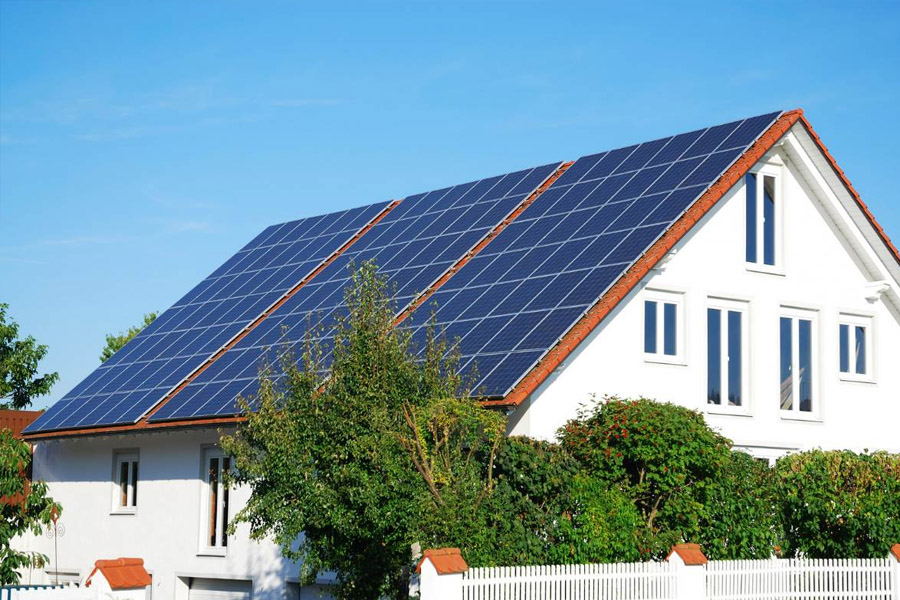
Oregon solar can work effectively for a residence with good daylight exposure. Direction important for roofs. South-facing roofs are best, although southeast and southwest work too. Roof pitch matters, but not as much as people assume. A fair angle with little shade is frequently more important than a solar brochure-only ideal arrangement.
Shade causes the most trouble. Tall fir trees, chimneys, surrounding buildings, and strange roof geometry can reduce productivity. In a state with minimal sunlight, shadow is like an overzealous referee blowing the whistle every five minutes. A good solar system might turn average if big parts of it are shaded.
Electricity-intensive homes usually get the best value. Solar has more opportunity to shine if you use electric heating, charge an electric vehicle, use air conditioning in harsher inland summers, or have a busy household with gadgets and appliances. A little power bill limits savings. If your monthly consumption is low, your roof may be ready to fight while your power bill shrugs.
Financial Value Depends on More Than Sunshine
People often reduce the entire solar decision to one simplistic image: panel plus sunshine equals money. In reality, the financial picture has several moving parts, and sunlight is only one of them.
Oregon’s solar market in many populous locations makes installation price competitive. That helps. Economics improve with incentives. A homeowner seldom stares at the whole sticker price and swallows silently. Programs and tax incentives can lower upfront costs, making solar more accessible than most people think.
That reduced net cost alters the discourse. Incentives in capes may make a costly system seem cheaper. Savings suddenly shorten. Instead of waiting forever to break even, homeowners may see a realistic route to long-term value.
Electricity costs factor too. Oregon’s rates aren’t the highest in the nation, therefore each kilowatt-hour offset is worth less. The payback time may lengthen. Stable savings year after year build up, especially for high-usage families with good roofs. Solar is seldom a lottery ticket. Similar to a determined calculator-using turtle.
Western Oregon and Eastern Oregon Are Different Solar Worlds
Talking about Oregon as if it were one giant, uniform weather blob is a mistake. The state has major regional differences, and those differences matter a lot for solar performance.
Western Oregon, encompassing Portland and the Willamette Valley, is cloudier and wetter. Solar works there, but it takes time. It produces less yearly than in sunny sections of the state, so homeowners should be realistic. That doesn’t hurt the transaction. It rewards those who stay put and save.
Different story in Central and Eastern Oregon. Bend has better solar potential, cleaner sky, and higher productivity. These places have more favorable economics. A system of the same size can generate more power, saving money without adding roof space. There, Oregon becomes a contender from an underdog.
This regional contrast is important because two homeowners in the same state can get very different outcomes. One sees moderate long-term savings. The other sees a system that hustles like it drank espresso.
Net Metering Makes a Big Difference
In Oregon, extra power is rarely squandered, making solar still viable. When your system generates more power than your house uses, net metering credits you. This reduces the discrepancy between sunny daylight output and evening home demand.
To maximize value, homeowners would need to utilize almost all power immediately after generation without net metering. That would be awkward, ludicrous, and theatrical. Most folks won’t run through the home at midday turning on every appliance like a game show audition.
Powerful net metering provides homes additional options. Overproduction in summer helps counterbalance gloomy months. That affects where solar output varies much by season. It prioritizes annual system performance above whether a February Tuesday looked like a rain barrel.
Batteries Are About Resilience More Than Raw Savings
Battery storage gets a lot of attention, partly because it sounds futuristic and partly because people enjoy the idea of their house becoming a tiny power fortress. In Oregon, though, batteries are not always the obvious financial companion to solar.
If net metering is favorable, exporting extra daytime energy can already provide good value. That means a battery is not always necessary to improve the basic economics of a solar system. For many households, solar alone is the cleaner and simpler financial choice.
Resilience makes batteries appealing. Storms, grid outages, and wildfires all make backup power appealing. When the grid goes down, a battery may keep necessities operating, shifting the focus from ROI to comfort, safety, and continuity. Refrigerators, internet, medical, lights, and a few crucial outlets seem strange when everything else goes black.
So the battery question is often less about squeezing every penny and more about buying peace of mind. That may not be the most glamorous spreadsheet category, but it is a very real one.
When Solar Is a Bad Match
Sometimes the smartest solar decision is no solar decision at all. That may sound unromantic, but roofs do not care about optimism.
A heavily shaded property is the classic problem. If trees dominate the daylight hours and trimming them is unrealistic, production may drop too far for the project to make financial sense. Likewise, awkward roof layouts can reduce usable space or force panel placement into poor orientations.
Short-term homeowners should be careful. Solar typically honors time. If you relocate shortly, the savings may not last long enough to offset the initial expense. Solar can boost resale value, but relying on it alone is dangerous. Buyers are wonderfully unpredictable.
Low electricity consumption can also weaken the case. If your home barely uses power, offsetting that small bill may not justify the investment. Solar tends to shine brightest, financially speaking, when there is a hearty utility bill ready to be tackled.
The Best Oregon Solar Strategy Is Precision
Successful Oregon solar projects generally result from thoughtful matching, not wild enthusiasm. Before recommending a system size, good installers consider shading, roof angle, roof age, estimated production, and home consumption. Oversized systems may not give the reward expected, while undersized systems may waste too much savings.
Special attention to roof age. Installing roof panels that may need replacement is like putting a grand piano on a trapdoor. Addressing aging roofing materials initially is typically wise. Panel removal and reinstallation cost money and cause frustration, which no one wants in mass.
Homeowners should consider future electricity demands. Planning an electric car purchase? Replace gas heating with a heat pump? Adding AC? Those improvements can boost use, therefore sizing a system for the future may be better than building for today.
FAQ
Do solar panels still produce electricity during long stretches of cloudy weather?
Yes. Production drops on heavily overcast days, but panels still generate power from available daylight. The important measure is annual output, not whether the roof looks heroic on one gloomy afternoon.
Is solar better in Bend than in Portland?
In many cases, yes. Central Oregon generally gets stronger sun exposure, so similarly sized systems often produce more electricity there. That can improve the financial return and shorten the payback period.
Does a battery automatically make solar a better investment?
Not always. A battery can add useful backup power, but it also increases project cost. For many Oregon households, the main appeal of storage is resilience during outages rather than dramatically better savings.
Can trees ruin the value of a solar system?
Absolutely. Significant shading can seriously reduce production, especially in a state where sunlight is already more limited for part of the year. A roof with frequent shade may be a poor candidate even if everything else looks good.
Should a homeowner size a solar system larger than current electricity use?
Usually, the smartest approach is to size the system around realistic annual consumption and any clearly planned future increases. Oversizing too much can reduce value if excess production is not compensated as favorably as normal household offset.