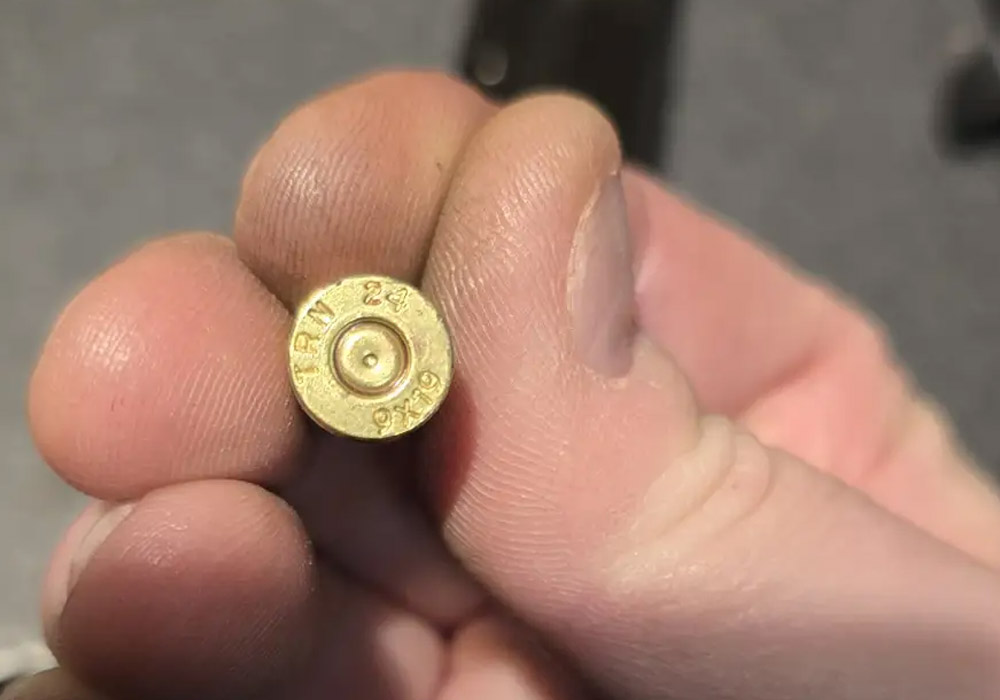
A planned range session can require hundreds of dependable rounds for drills, target practice, or routine firearm training. Remanufactured ammunition may suit this need when its cases, components, and finished cartridges receive careful inspection. Reviewing specific production details helps buyers select ammunition designed for consistent feeding, ignition, and accuracy.
Careful evaluation becomes especially important when ordering bulk ammo, since one production inconsistency may affect numerous cartridges in the same purchase. Credible remanufacturing uses previously fired cases alongside new projectiles, primers, and powder. Buyers should examine the case-processing methods, cartridge specifications, and quality-control information presented for each load.
Examine The Cartridge Case Inspection Process
Each reused case should pass through a detailed inspection before entering the loading process. Proper screening identifies cracks, splits, debris, and structural damage that could affect cartridge function. Pressure testing provides another meaningful quality indicator because it checks the case body for hidden weaknesses.
Look For Complete Case Preparation
Case preparation should include removing old primers and clearing the flash holes before new components are installed. Primer pockets may also require careful reaming so new primers sit at the correct depth. These steps support dependable ignition while preserving the proper dimensions of the finished cartridge.
Confirm The Use Of New Loading Components
Quality remanufactured cartridges should use new bullets, powder, and primers rather than previously used loading components. Fresh components allow the manufacturer to control bullet weight, powder charge, and primer condition during assembly. Clear product information should identify the bullet profile, grain weight, caliber, and round count.
Common remanufactured options may include round-nose and full-metal-jacket bullets in popular pistol and rifle calibers. Grain weight deserves attention because it influences recoil characteristics, point of impact, and firearm cycling. The selected load should match the firearm manufacturer’s caliber requirements and the shooter’s intended range activity.
Review Production And Final Inspection Standards
Automated loading equipment can support precise production when it is paired with attentive quality-control procedures. Finished cartridges should receive dimensional and visual checks before packaging. Consistent cartridge length, secure bullet seating, and properly positioned primers contribute to reliable chambering.
Important production checks may include:
- Inspecting every case for cracks, splits, and remaining debris
- Clearing flash holes before installing new primers
- Measuring gun powder charges during the loading process
- Verifying bullet weight and cartridge dimensions
- Conducting final inspections before packaging each production lot
Check Product Specifications Carefully
Detailed product listings help buyers confirm exactly what a remanufactured load contains. The description should state the caliber, bullet weight, bullet style, case material, quantity, and remanufactured condition. Accurate specifications reduce ordering mistakes and help shooters choose cartridges suited to their firearm and training plans.
When purchasing bulk ammo, buyers should also verify the number of rounds included in each box or case. Bulk remanufactured options may be packaged in quantities designed for regular practice and extended training sessions. Clearly marked quantities make storage planning, range preparation, and inventory tracking easier.
Consider Packaging And Storage Readiness
Secure packaging protects remanufactured cartridges from impact, moisture, and loose movement during shipping or storage. Boxes, cases, or ammunition cans should keep rounds organized and make caliber identification simple. Proper packaging also helps shooters rotate stored ammunition and monitor remaining quantities accurately.
Know What To Look For In A Remanufactured Ammunition Manufacturer
A dependable manufacturer follows structured inspection procedures, uses carefully prepared brass, installs new loading components, and verifies finished cartridges before packaging. Consistent production standards help improve reliability across every production lot. Careful manufacturing practices also support long-term confidence for regular range use.
Choosing remanufactured ammunition based on documented quality standards leads to more informed purchasing decisions. Attention to inspection, component consistency, and accurate product specifications helps buyers identify dependable options for future shooting sessions. Careful evaluation remains one of the most effective ways to select remanufactured ammunition that delivers consistent performance over time.