Dublin is famous for its stunning Georgian terraces, Victorian villas, and Edwardian redbricks. While these properties offer incredible charm and history, they also present unique living challenges.
Many homeowners struggle to keep these historic spaces warm, dry, and safe. Read on to discover how you can blend historical charm with modern comfort in your Dublin property.
Local Conservation Rules for Period Homes
Before you pick up a hammer, you need to know the rules that protect Dublin’s heritage. Many period homes in areas like Rathmines, Ranelagh, and Clontarf sit within Architectural Conservation Areas (ACAs). This means Dublin City Council has strict rules about what you can change on the property’s exterior.
It’s essential to check if your home is a protected structure before starting any work. Making unauthorised changes to a historic building can lead to heavy fines and legal trouble. A quick chat with a conservation officer will help you understand what you can preserve and how to execute repairs safely. This step will save you time and money in the long run.
Smart Glazing Solutions for Historic Windows
Original timber sash windows are a defining feature of Dublin’s period architecture, but they are notoriously draughty. Replacing them with modern double-glazed units is rarely an option because of planning restrictions, and it often ruins the historic facade. Fortunately, you can improve insulation without removing the original timber frames.
One practical solution is to install secondary glazing on the inside of the window frame. Using a durable clear polycarbonate sheet as secondary glazing behind the original sash window offers excellent thermal insulation. It provides high impact resistance and keeps the warmth inside, without altering how the window looks from the street. This is a cost-effective way to stop draughts and lower your heating bills while keeping your home’s historic appearance.
How to Tackle Damp and Old Wiring Safely
Moisture Management with Traditional Plaster
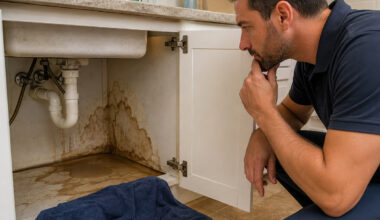
Many Victorian and Georgian properties in Dublin have basement-level flats that suffer from damp issues. The instinct is often to seal the brickwork, but this is a mistake that causes long-term damage. Traditional brick needs to breathe to let moisture escape. Instead of using modern cement plaster, you should use traditional lime plaster to protect the walls and prevent moisture build-up.
Safe Cable Routing Around Historic Plaster
Rewiring is another common issue, especially when trying to protect delicate ornamental plasterwork. Running cables through ceilings can easily destroy historic plasterwork and ceiling roses. You can avoid this damage by hiring an experienced electrician who knows how to run wires under floorboards or behind skirting boards instead of carving channels into the walls. This keeps the beautiful original features intact while bringing the electrical systems up to date.
How to Insulate Period Floors and Roofs
Heat loss through the roof and floor is another major issue in old Dublin homes. Since you can’t easily insulate the walls of a protected structure from the outside, you must focus on other areas. Insulating the attic space is one of the easiest ways to keep heat in, provided you maintain proper ventilation to prevent rot.
For the floors, many period homes have beautiful timber boards that sit over draughty voids. Lifting these boards to lay insulation requires great care to avoid splitting the old wood. Once insulated, sealing the gaps between the boards with flexible fillers stops cold air from rising into your living spaces. This makes a noticeable difference to the comfort of your rooms.
Sensible Steps to a Warm and Historic Home
Renovating a period Dublin property requires patience and a deep respect for original materials. You don’t need to choose between historic charm and modern warmth.
By choosing sympathetic materials like lime plaster and clever secondary glazing, you can create a cosy home that respects Dublin’s architectural history. Take your time, get professional advice, and protect the unique character of your home for future generations.