Homes carry visual character through every exterior surface and structural feature. A driveway entrance often dominates the first impression of a property from the street. Visitors notice large architectural surfaces before observing small architectural accents.
Designing a cohesive exterior requires careful attention to scale, texture, and structural design. Big structural choices shape how an entire building presents itself to visitors and neighbors alike. Strategic exterior decisions set the tone for the rest of your home design.
Defining Exterior Visual Balance
Front facades rely on balanced shapes and proportional elements to create visual harmony. Large entryways grab attention faster than small window trims or entry doors. Balancing these proportions prevents a facade from feeling top-heavy or cluttered.
Proper alignment keeps the building looking grounded and intentional. Planning a new garage door installation provides an immediate way to upgrade structural symmetry across your whole frontage. Fresh installations align modern door panel lines with existing rooflines and siding grooves.
Color selection plays a massive role in balancing heavy structural features against lighter trim details. Dark tones ground big structures and draw eyes toward structural anchors. Light shades make large surfaces blend smoothly into surrounding brick or vinyl walls.
Framing Modern Architectural Styles
Modern homes often use clean lines, large windows, and simple shapes. Garage doors with flat panels and smooth surfaces can match this style well. Steel finishes and simple designs help keep the outside of the home neat and uncluttered.
Garage doors take up a large part of the front of many homes. Because of this, the door can become one of the first things people notice. Flat panels can support a simple look and help the garage door fit with the rest of the home’s design.
Industrial homes often use dark metal, simple window designs, and strong shapes. Black frames and frosted glass can create a bold look.
Comprehending Traditional Design Elements
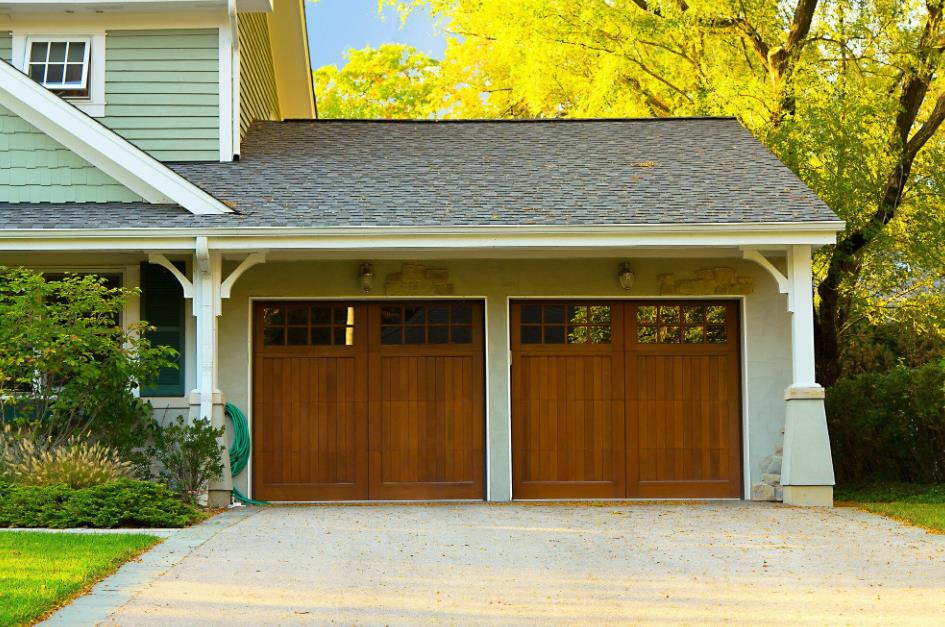
Carriage house styles often use details that remind people of older homes. Wood trim, iron handles, and crossbuck panels can give a garage door a classic look. These details can make the driveway feel warm and welcoming while still working with a modern garage door.
Craftsman homes often use natural wood, strong trim, and stone details. A garage door with wood finishes and simple panel designs can match these features well.
Victorian and Colonial homes often have more detailed designs. Garage doors should match nearby windows and other parts of the exterior. Multi-pane windows and carefully placed panels can help keep the home’s traditional look while allowing modern garage features.
Analyzing Material Impact On Curb Appeal
The material you choose can change how your home looks from the outside. Real wood has a warm, natural look, but it needs regular care to prevent damage.
Steel offers a clean look and can be strong and easy to use. Some steel panels are made to look like wood without needing as much care. They can resist dents and damage from weather.
Consider these options:
- Strong steel panels
- Wood-look composite materials
- Moisture-resistant surfaces
- Glass window inserts
Glass inserts can bring more natural light into a garage. Think about both appearance and maintenance before choosing a material for your home.
Evaluating Financial Returns On Exterior Upgrades
Exterior upgrades can improve how a home looks and may increase its value. Large features that people can see from the street can make a strong first impression.
Garage door replacement has often been listed as a home project with a strong return on investment. The amount you get back can depend on your location, the door, and the housing market.
Buyers often notice the front of a home before entering. A clean and modern garage door can make the property look better cared for.
Integrating Smart Lighting With Door Aesthetics
Outdoor lighting can make your garage door easier to see after dark. Wall lights placed beside the door can highlight its shape and surface. Choose fixtures that match the size of the door and the style of your home.
Lights placed above the door can spread light across the surface. Small recessed lights can create a clean look, while warm lights can bring out wood colors and darker finishes.
Good lighting can improve both appearance and safety. It can make the driveway easier to see at night and help people move around safely.
Motion lights can turn on when someone approaches. Choosing the right lights can make your garage area look better while adding useful light.
Optimizing Thermal Performance And Insulation
Good insulation can help control temperatures inside and around your garage. Insulated garage doors can reduce the amount of cold air that reaches nearby rooms during winter.
Useful features include:
- Thick insulated door panels
- High insulation ratings
- Sealed edges and gaps
- Double-pane window options
Good seals around the door can help stop drafts and moisture from entering. Insulated panels can help protect cars, tools, and stored items from large temperature changes. They may reduce heating and cooling costs.
Choosing Colors That Accentuate Home Styles
The right color can make your garage door stand out or blend into your home. Bright trim can make a dark door more noticeable against light siding or brick.
Using similar colors can create a smoother look. Matching the garage door with your siding can make the home look wider and more connected. Using slightly different shades can still add some depth without making the exterior look too busy.
Earth tones can work well with homes surrounded by plants, stone, or wood. Soft green, gray, brown, and other neutral colors can fit naturally into outdoor spaces.
Transforming Exterior Design Through Strategic Garage Doors
Designing an attractive exterior comes down to deliberate material selection and smart spatial planning. A strong front entry anchors your entire property layout with purpose, balance, and style. Choosing components that complement existing architecture improves the visual impression of any home.
Investing in thoughtful upgrades transforms basic utility spaces into key architectural statements. Homeowners gain long-term value, improved energy efficiency, and visual harmony across their entire property facade. Every careful design decision contributes to a polished exterior profile.
If you’d like to learn more, check out more articles on our blog.