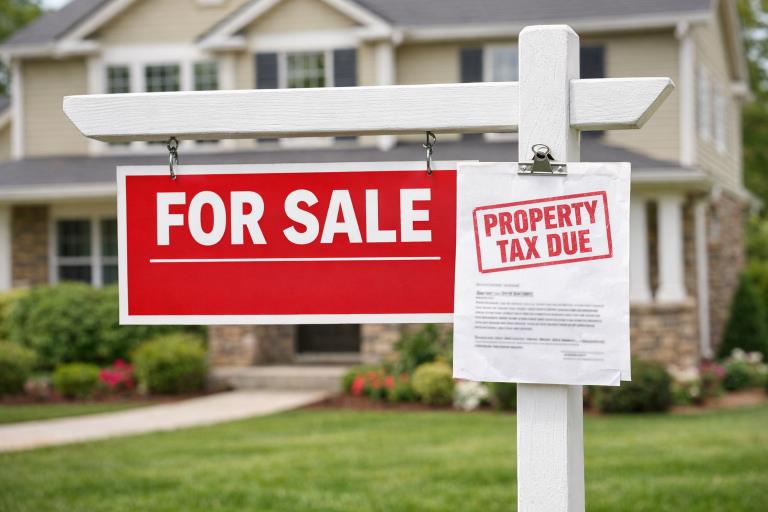
Selling a home is a significant event, and the process can become more complex if you owe property taxes. Homeowners sometimes find themselves in a position where property taxes have accumulated, putting them at risk of tax liens. Knowing your options and legal responsibilities is crucial when preparing to sell in these circumstances. To get specifics for the Dallas area, check out this resource on Selling A House With Owed Property Taxes In Dallas.
When you owe back taxes, buyers and real estate professionals expect transparency and a solution to clear any tax-related challenges before closing. The key is to be proactive, clear about the situation, and work with experts to resolve the debt efficiently. This guide outlines the essential steps to sell your property efficiently and legally, regardless of the size of the outstanding tax bill.
If you are considering selling a home and want professional assistance from experienced home buyers, you can learn more at https://www.investorhomebuyers.com/.
Understanding Property Tax Liens
When property taxes are left unpaid, the local government may place a lien on your property. This tax lien is a legal claim that must be paid before the property can be sold or refinanced. Tax liens take priority over nearly all other claims against the property, meaning they must be cleared first so the lender and the new owner have a clear title. Buyers and their mortgage providers will insist on lien resolution prior to closing. For more information about how property tax liens affect real estate transactions, consider reading this helpful article from NerdWallet.
Impact on the Selling Process
Unpaid property taxes significantly complicate home sales. A buyer or lender will typically refuse to proceed until any tax liens are resolved. Liens discovered during the title search can cause delays, renegotiations, or even the cancellation of a sale. The presence of unresolved tax debt can lower the pool of potential buyers and may require more negotiation on the final sale terms or price. Addressing property tax liens early in the process is critical to avoid disruption during closing.
Options for Settling Unpaid Property Taxes
Homeowners can choose several methods to resolve outstanding taxes before transferring the property to a new owner:
- Paying Off the Debt Before Listing:The simplest approach is to pay any back taxes before the home goes on the market. This attracts buyers and streamlines the transaction.
- Using Sale Proceeds to Clear the Debt:Many homeowners wait until the house sells, then use the proceeds from the sale to pay the owed taxes at closing. Title companies will typically handle this by sending payment directly to the tax authority from the seller’s share.
- Negotiating with Tax Authorities:In some localities, it may be possible to negotiate a payment plan, a settlement, or a reduction in penalties with the city or county tax office. This step requires advanced communication and, sometimes, the help of an attorney or tax professional.
Steps to Sell a Home With Unpaid Property Taxes
- Obtain a Payoff Statement:Contact your local tax authority for a current statement of what you owe, including any interest or penalties.
- Consult with a Real Estate Professional:Work with a real estate agent with experience handling homes with tax liens. They can help manage buyer concerns and ensure a transparent process.
- Disclose the Lien to Buyers:Be upfront about the lien and explain how you plan to resolve it before or during closing. This transparency helps prevent surprises that could derail the purchase.
- Coordinate with the Title Company:Title professionals will guide both parties through the process of clearing the lien with sale proceeds at closing, guaranteeing a clean title for the new owner.
Legal and Financial Considerations
It is important to recognize the larger financial and legal impact of selling a home with an outstanding tax issue. Data indicates that homeowners, particularly seniors, can take a significant financial hit when forced to sell quickly or under stressful circumstances. Older sellers have been shown to receive less for their homes than younger counterparts in similar markets, partly because urgent sales may not maximize value or allow for robust negotiation. For retirees, this gap can mean less security and a higher likelihood of needing to dip into savings, highlighting the importance of careful planning.
Consulting a financial advisor or a real estate attorney can help you navigate the process and consider options like payment plans, settlements, or other financial moves to minimize the impact of selling under a lien.
Seeking Professional Assistance
Working with experienced professionals, such as real estate agents, real estate attorneys, and certified public accountants, ensures you address unpaid taxes effectively and avoid legal or financial missteps. They can guide you through negotiations with tax authorities, proper disclosure requirements, and the logistics of satisfying liens through the sale process. A professional approach can be the difference between a stalled deal and a smooth transaction.
Conclusion
Selling a home with unpaid property taxes is entirely feasible when you understand your obligations and take a strategic approach. By exploring your options for settling tax debt, disclosing issues proactively, and relying on professional expertise, you can protect your financial interests and ensure a successful home sale, even in challenging situations.