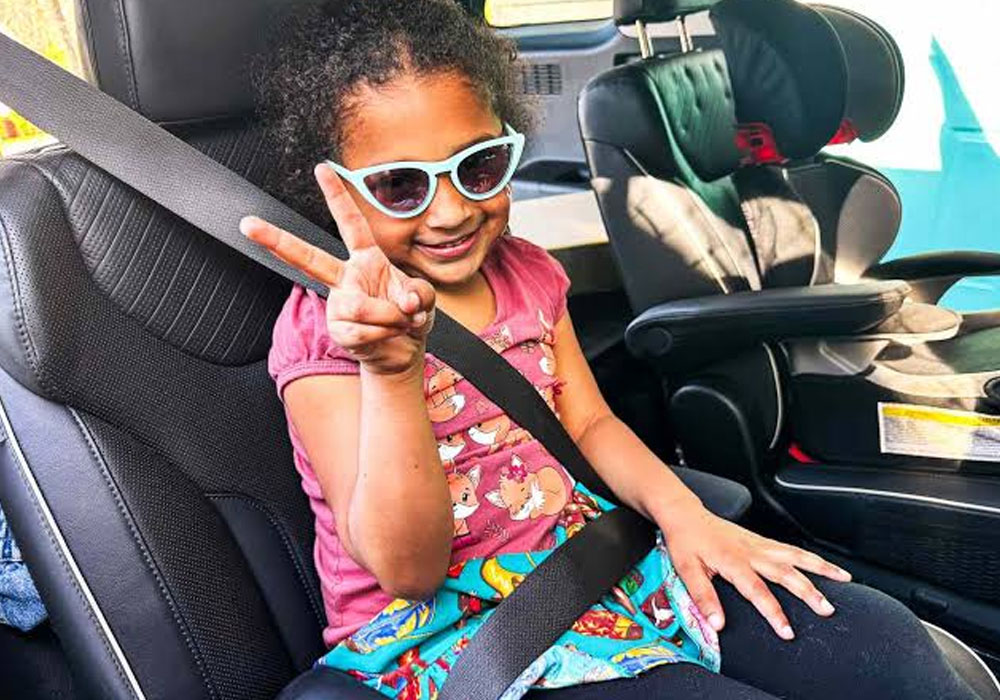
A booster seat lifts your child up so the car’s seatbelt sits where it should. It’s not a baby seat. It’s not an adult seat either. It’s the bridge between the two, and most parents move on from it far too soon. Kids using seatbelts without a booster face up to five times the injury risk in a crash compared to kids who are properly boosted. That single number should change how you shop. If you want durable booster car seats for kids that actually last through the years your child needs one, keep reading.
Why Height Matters More Than Age When Choosing A Booster
Most children don’t reach 145 centimetres, the height an adult lap sash belt is designed for, until they’re around eleven. Yet the law in most states only requires a booster until age seven. That gap is the problem. A child can be legally out of a booster and still be too small for a seatbelt to fit them safely.
I’d tell any parent to ignore the legal minimum and go by height instead. The seatbelt should sit low on the hips, not the belly. It should cross the shoulder, not the neck. A person with knee and hip issues might not be comfortable with such bend. Consult with a knee and hip specialist before making the final decision to be seated.
The Real Injury Numbers Behind Booster Seats
Research from Durbin and colleagues found booster seats cut the risk of head, brain, spinal, and internal organ injuries by 59 percent compared to seatbelts alone in kids aged four to seven. A separate study by Arbogast found a 45 percent drop in overall injury for kids aged four to eight. These aren’t small margins. They’re the difference between a bruise and a hospital admission.
One Australian study found only 18 percent of injured children aged two to eight were optimally restrained at the time of their crash. That statistic still bothers me. Most parents think they’re doing it right. Most aren’t.
What Actually Makes A Booster Seat Durable
Cheap plastic shells crack under sun exposure faster than anyone expects, especially in an Australian summer left parked on a driveway. Look for a hard outer shell with dense foam underneath, not just soft padding on top. The foam is what absorbs impact. Padding is just for comfort.
Check the headrest adjustment range too. A booster that grows with your child through several height settings will outlast one that fits for a single year. Fabric covers should unzip and wash without falling apart at the seams after a few washes.
High Back Versus Backless, Which One Actually Wins
High back boosters position the shoulder belt correctly no matter where the car’s own belt anchor sits. Backless boosters are cheaper and more portable, but they only work well in cars where the seatbelt anchor point already lines up right. I lean toward high back boosters for daily use and save backless ones for occasional trips, like a grandparent’s car or a taxi.
Side impact wings on a high back booster aren’t decoration. They matter in a side collision, which accounts for a significant share of serious child injuries on Australian roads.
When It’s Time To Stop Using A Booster Altogether
Run the three checks before ditching the booster for good. Can your child sit with their back against the seat and knees bent over the edge? Does the belt sit correctly across hips and shoulder without adjustment? Can they hold that position for the entire trip, not just the first five minutes? If any answer is no, they’re not ready yet, no matter what their friends are doing.
Peer pressure at school pickup is real. I’ve watched parents cave because their kid felt embarrassed sitting in a booster while classmates didn’t. Don’t let that decide your child’s safety for you. A crash doesn’t care how old your child feels.