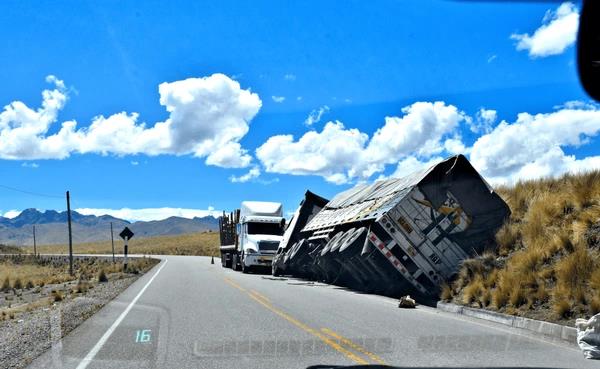
Handling an 18-wheeler accident claim starts with getting medical care, documenting the crash, reporting the accident, and understanding your legal rights. Collisions involving large commercial trucks can be more complicated than ordinary car accidents because multiple people or companies may be involved.
The trucking company, driver, insurance carrier, maintenance provider, or even a cargo company could potentially become part of the claim. Because truck accidents can result in serious injuries and significant property damage, knowing what to do after a crash can make the claims process easier to manage.
The steps you take immediately after an accident can also help protect important evidence and support your claim later.
1. Get Medical Attention
Your health should come first after an 18-wheeler crash. Even if you feel fine, consider getting checked by a medical professional because some injuries may not cause noticeable symptoms right away.
Follow the treatment plan provided by your healthcare provider and keep records of appointments, prescriptions, medical bills, and other related expenses. These records can help show the connection between the accident and your injuries.
2. Report the Accident
Contact the police after a serious truck accident and cooperate with the investigation. An official accident report may contain important information about the location, vehicles, drivers, road conditions, and initial findings.
If your accident happened while you were working, you may also need to report it to your employer and follow applicable workplace reporting procedures.
Avoid admitting fault at the scene. Simply provide accurate information about what happened and let the investigation determine responsibility.
3. Document the Crash
If you can safely do so, take photographs and videos of the accident scene. Capture the damage to your vehicle, the truck, road conditions, traffic signs, skid marks, and any visible injuries.
Write down what you remember while the details are still fresh. Include information about the time, location, weather, traffic, and events leading up to the collision.
If there were witnesses, collect their names and contact information when possible.
4. Preserve Important Evidence
Evidence can become especially important in a truck accident claim. Commercial trucks may have records involving driver activity, vehicle maintenance, cargo, and other matters.
Federal regulations also place requirements on commercial motor vehicle drivers. For example, 49 C.F.R. § 395.8 requires motor carriers to require drivers to record their duty status, subject to applicable exceptions and requirements.
Because some records may not be kept indefinitely, it can be important to identify and preserve relevant evidence as soon as possible.
5. Be Careful With Insurance Companies
After an accident, you may receive calls from an insurance company. Give truthful information, but be careful about making statements that could be misunderstood or taken out of context.
You do not need to guess about details you cannot remember. Before accepting a settlement, review the offer carefully and understand what rights you may be giving up by signing a release.
Truck accident claims can involve substantial damages, so an early settlement may not always reflect the full extent of a person’s losses.
6. Keep Track of Your Expenses
Save medical bills, prescription receipts, repair invoices, transportation costs, and other accident-related expenses.
If your injuries cause you to miss work, keep records showing your lost income. You should also document other ways the injury affects your daily life.
Keeping organized records can make it easier to calculate and support the losses connected to the accident.
7. Understand Who May Be Responsible
Determining responsibility in an 18-wheeler accident can require more than looking at the actions of the truck driver.
Depending on the circumstances, potential parties may include the trucking company, vehicle owner, maintenance company, cargo loader, or another driver. An investigation may be needed to determine what caused the crash and who may be legally responsible.
This is one reason truck accident claims can be more complicated than standard car accident cases.
8. Consider Speaking With an Attorney
If you suffered serious injuries, significant property damage, or a dispute develops over who caused the crash, consider speaking with a personal injury attorney.
A lawyer can review the circumstances, help identify potentially responsible parties, communicate with insurers, and explain the legal options available to you. They can also help make sure important evidence is identified and preserved.
Key Takeaways
- Seek medical attention after an 18-wheeler accident, even if you initially feel fine.
- Report the crash and provide accurate information to law enforcement.
- Photograph the accident scene and collect witness information when possible.
- Important trucking records may help establish what happened.
- 49 C.F.R. § 395.8 addresses driver records of duty status for commercial motor vehicles.
- Be cautious when discussing the accident with insurance companies.
- Keep records of medical bills, lost income, vehicle repairs, and other losses.
- More than one person or company may potentially be responsible for a truck accident.
- Consider legal advice when injuries are serious or liability is disputed.