Melbourne weather swings from sunny to freezing in the same afternoon, and homes here need floors that can keep up with all of it. Mosaic tiles have quietly become one of the most requested finishes across the city, from Fitzroy terraces to new builds out in the growth suburbs.
The appeal is not just about looks either. mosaic floor tiles melbourne handle curves, drainage points, and tight corners that a big square tile simply cannot cover without awkward cuts. This piece looks at why so many local homeowners and builders keep coming back to mosaic, room by room, with real numbers behind the trend.
What Makes Mosaic Tiles Work So Well In Wet Areas?
A mosaic sheet is made of dozens of small pieces held together on mesh backing, which means far more grout lines per square metre than a standard tile. More grout lines sound like extra cleaning, but they actually add grip. Feet get far more traction on a mosaic shower floor than on one big slab.
This is exactly why plumbers and tilers across Melbourne reach for mosaic on shower bases and around floor drains, where the surface needs to bend slightly to follow the slope toward the waste.
- Small pieces flex around curved shower bases without cutting
- More grout lines mean better grip underfoot when wet
- Sheets install faster over uneven or sloped substrates
- Easy to patch a small section without replacing the whole floor
- Works well combined with heated floor systems in cold Melbourne winters
How Does The Cost Compare To Standard Floor Tiles?
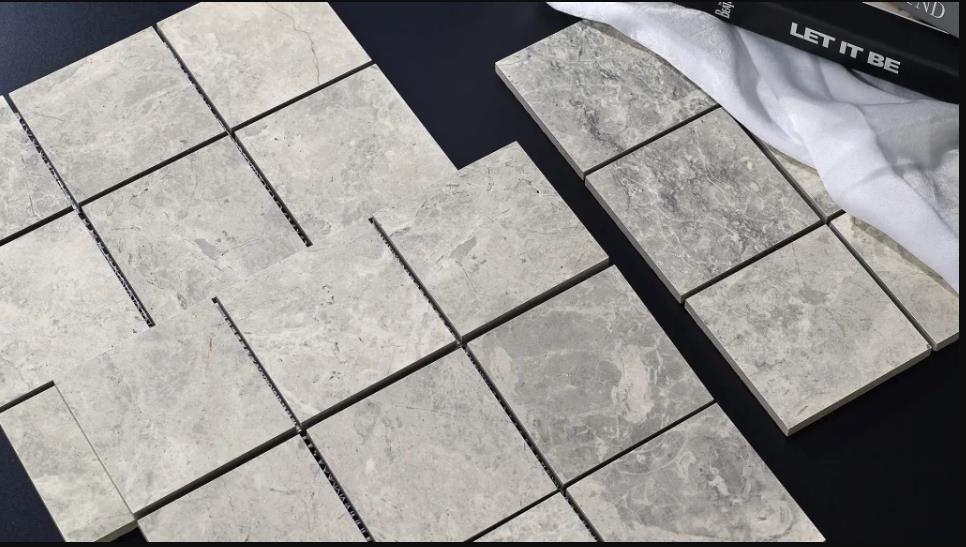
Mosaic sits at a higher price point per square metre than large format porcelain, mostly because of labour. Every sheet takes longer to lay and level compared to one big tile covering the same area. Melbourne tilers typically charge more per hour for mosaic installation for exactly that reason.
The table below shows how mosaic stacks up against other common Melbourne bathroom floor choices, both in material cost and time on site.
Mosaic vs Other Floor Options in Melbourne
| Tile Type | Material Cost (per sqm) | Install Time | Best Room |
| Glass mosaic | $70 to $150 | Slower, more skill needed | Shower floor, feature wall |
| Stone mosaic | $60 to $130 | Moderate | Bathroom, laundry |
| Large porcelain | $35 to $70 | Fast | Open floor areas |
| Ceramic subway | $30 to $55 | Fast | Splashback, walls |
Which Melbourne Homes Suit Mosaic Best?
Older Victorian and Edwardian terraces around the inner suburbs often have quirky, non standard bathroom shapes left over from decades of small renovations. Mosaic hides those irregular corners better than any other tile type because the small pieces can be trimmed on site without ruining a large, expensive pattern.
Newer apartments in areas like Southbank and Docklands lean toward mosaic feature strips rather than full floors, using them to break up an otherwise plain porcelain floor and add a bit of texture near the shower entry.
Do Mosaic Floors Need More Maintenance Than Big Tiles?
Yes, a little. More grout lines mean more surface area that can pick up soap residue and mould if it is not sealed properly. A quality penetrating sealer applied once a year keeps a mosaic floor looking new for well over a decade, based on what most Melbourne tiling trade bodies recommend for wet area maintenance.
Skipping that yearly seal is the single biggest reason mosaic floors look tired after just a few years, and it is a fifteen minute job most homeowners can do themselves.
Is Mosaic Worth The Extra Cost For A Melbourne Renovation?
For a shower base or any curved, sloped, or tight area, mosaic earns its price because there is genuinely no better alternative that handles the geometry. For a large open bathroom floor with no curves, a big porcelain tile with a mosaic feature strip gives most of the visual impact at a fraction of the labour cost.
The smart move most Melbourne renovators land on is mixing both, mosaic where function demands it and large format everywhere else.