Why This Choice Feels Bigger Than a Thermostat Setting
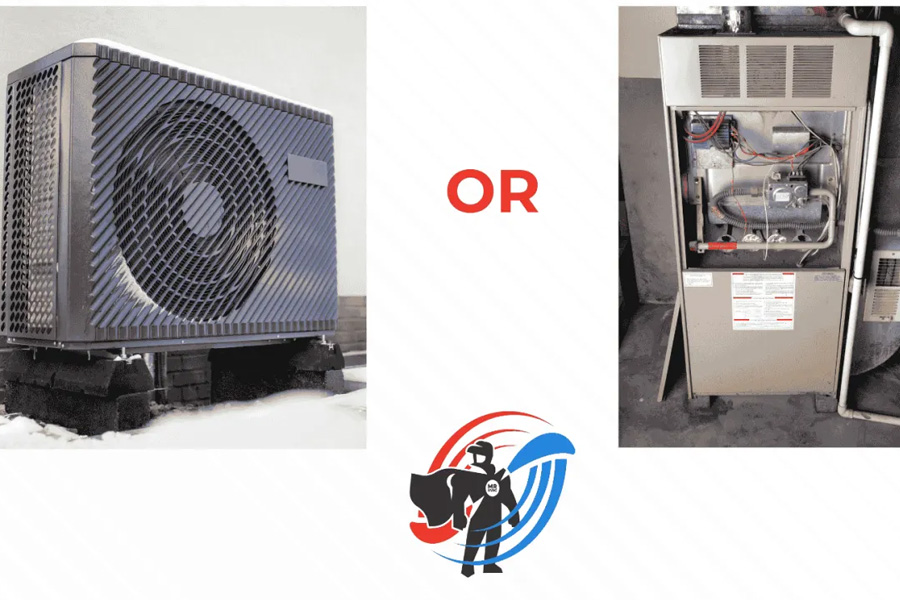
Buying a home heating system may make normally logical folks feel like they’re choosing a fantasy character class. Choose the sleek, efficient wizard who draws heat from thin air or the burly blacksmith who blasts heat with unapologetic force? Basically, heat pump vs. gas furnace.
This goes beyond brand loyalty or what your neighbor installed after too many driveway discussions. The best choice relies on your preferred slipper comfort, winter weather, and house design. A mild winter may make some seek the lowest expenses. Others desire hot, warm air from vents as the temperature drops emotionally.
Heat pumps and gas furnaces tackle the same issue differently. Heat is transferred. Heat is produced by combustion. Due to their diverse functions, they shine in different settings. That is why a system that works well in coastal Georgia may struggle in northern Minnesota, where winter seems to hold a grudge.
How a Heat Pump Actually Heats a House
A heat pump is a clever machine with a slightly magical reputation. It does not generate heat the way a furnace does. Instead, it collects heat from outdoor air and moves it indoors. Yes, even when the air outside feels cold enough to insult your face, there is still heat available to harvest.
That method makes heat pumps desirable. When external temperatures are reasonable, they may provide a lot of warmth with minimal electricity, explain McKenna & Vane Property Management experts. Many residences use the same machine for summer cooling. The HVAC overachiever has heating and air conditioning.
Living with one may differ from furnace expectations. A heat pump normally releases warm, non-flaming air. You might not feel roasted like a festive chestnut standing over a vent. Longer, softer heating cycles keep the house constant and pleasant.
Why Gas Furnaces Still Have a Loyal Following
Gas furnaces remain popular for a very simple reason. They bring serious heat, fast. Turn one on during a cold snap and it goes to work like a caffeinated dragon. The air from the vents tends to feel hotter, and many homeowners love that immediate blast of warmth.
That sensation matters more than people sometimes admit. Comfort is not just a number on the thermostat. It is also how the house feels when you walk in from freezing outdoor air with stiff fingers and a bad attitude. A furnace often wins that first-impression contest.
Gas furnaces also function well in hard winters. They’re not scared of cold. A gas furnace might be soothing if your area has deep freezes, extended cold seasons, or survival-challenging weather. Perhaps less stylish than a heat pump, but when the windows are rattling and the dog won’t go outside, elegance isn’t always important.
Mild Climates Usually Favor Heat Pumps
Heat pumps are useful in locations with short winters and mild cold. They are especially popular in locations where frigid temperatures are occasionally present. When the weather is mild, a heat pump can keep a home pleasant without any trouble.
These conditions also favor heat pumps’ all-in-one design. Homeowners avoid separate heating and cooling equipment since the same system cools in summer. It can simplify installation plans and declutter equipment. Sometimes having fewer mechanical people at home is a blessing.
There is also a lifestyle fit here. If you are comfortable with a more even, steady warmth rather than intense bursts of hot air, a heat pump can feel refined and pleasant. It is less campfire, more cozy sweater.
Cold Climates Still Reward Furnace Strength
Conversations alter when winter temperatures drop below freezing. As the air outside becomes colder, heat pumps lose efficiency and heating power. The system must operate harder when you need it most. It’s like expecting a marathon runner to carry groceries uphill after mile twenty.
In very cold regions, a gas furnace often becomes the practical hero. It can produce strong heat regardless of outdoor conditions, which makes it a comfortable and predictable choice. Homeowners who have experienced a bitter winter know that predictability can feel almost luxurious.
This does not mean heat pumps are useless in northern climates. Modern cold climate models are much better than older units. Still, in places where winter is not a season but a full personality trait, many households either stick with gas furnaces or use a hybrid setup.
Comfort Is Not Just About Efficiency
People often compare heating systems as if they are only math problems wearing work boots. Efficiency matters, yes. Monthly operating cost matters too. But comfort is a deeply personal thing.
A gas furnace tends to provide shorter, hotter cycles. The house warms quickly. The vents feel powerful. Many people interpret that as true coziness. A heat pump usually runs longer and supplies gentler air. The indoor temperature may remain perfectly pleasant, yet the airflow feels less dramatic.
Neither experience is objectively better. It depends on what makes your home feel right to you. Some homeowners want tropical blast furnace energy every time the system kicks on. Others prefer a softer background warmth that hums along without much fanfare.
Noise can also shape perception. Some systems sound more assertive than others. Some homeowners do not care. Some hear every click, fan spin, and rumble as though the equipment is narrating the evening.
Installation Cost and Long Term Value
The price tag is where many homeowners pause and make the same face they use when opening a restaurant bill after accidentally ordering appetizers with optimistic confidence. Heating systems are expensive, and the best financial value is not always the one with the lowest upfront cost.
If you simply need heating and have the gas hookup, a gas furnace may be cheaper. If your home needs air conditioning, a heat pump’s dual function makes it more competitive. That implies the genuine comparison is not necessarily between machines. One system versus two is sometimes the case.
Energy prices, upkeep, climate, and homeownership length determine long-term value. Someone who plans to relocate in a few years may view the investment differently than someone who plans to age with the same front porch, mailbox, and annual windblown leaf fight.
The Hybrid Option for People Who Hate Trade Offs
Some homeowners look at the heat pump and the gas furnace and think, why not both? That is where a dual fuel or hybrid system enters the story.
This arrangement uses a heat pump for winter heating and air conditioning in summer. The gas furnace takes over when external temperatures dip below the heat pump’s efficiency. It is the HVAC equivalent of wearing sneakers most days and snow boots in the winter.
This technique combines efficiency and cold weather performance well. In locations with varied winters, where temperatures swing sufficiently to make a single system feel compromised, it is appealing. Naturally, cost is a problem. Budgets seldom include hybrid systems. They’re for homeowners prepared to pay for flexibility.
Home Factors That Matter More Than People Expect
Climate gets most of the attention, but your home itself has a loud opinion in this decision. Insulation quality, air sealing, window performance, duct design, and square footage all influence how well either system performs.
A drafty house with underwhelming insulation can make any heating system feel mediocre. Likewise, poor ductwork can strangle performance and leave rooms unevenly heated. That is why some people replace equipment and still complain about comfort. The machine changed. The house did not.
Household habits matter too. If you lower the thermostat often, prefer quick temperature recovery, or like very warm indoor settings, a gas furnace may align better with your routines. If you value steady operation and moderate warmth, a heat pump may suit you beautifully.
FAQ
Is a heat pump always cheaper to run than a gas furnace
Not always. Because it transports heat effectively, a heat pump is frequently better in milder weather. This benefit might fade in colder weather, especially in regions with expensive power or inexpensive natural gas. The answer depends on local weather and utility prices.
Does a gas furnace make a home feel warmer than a heat pump
Many believe so because gas furnace air is hotter. Both systems may indicate the same room temperature, but the furnace feels stronger when it cycles on. Stronger airflow changes comfort even though the result is the same.
Can a heat pump work in a cold state
Yes, but specifics matter. Better than previous models, modern cold environment heat pumps can survive harsh winters in many homes. To remain warm in extreme temperatures, homeowners typically employ backup heat or a hybrid system.
Is a dual fuel system worth it
For some houses. Climates with mild winters and strong freezes might suit it. The heat pump effectively handles lighter tasks, while the furnace kicks in when circumstances get difficult. Installation costs more, so its worth depends on your budget and how much flexibility and performance you desire.
Which system lasts longer
In part because heat pumps heat and cool year-round, gas furnaces last longer. More operational hours might cause wear. However, installation quality, upkeep, and how hard the system must work in your house affect longevity.