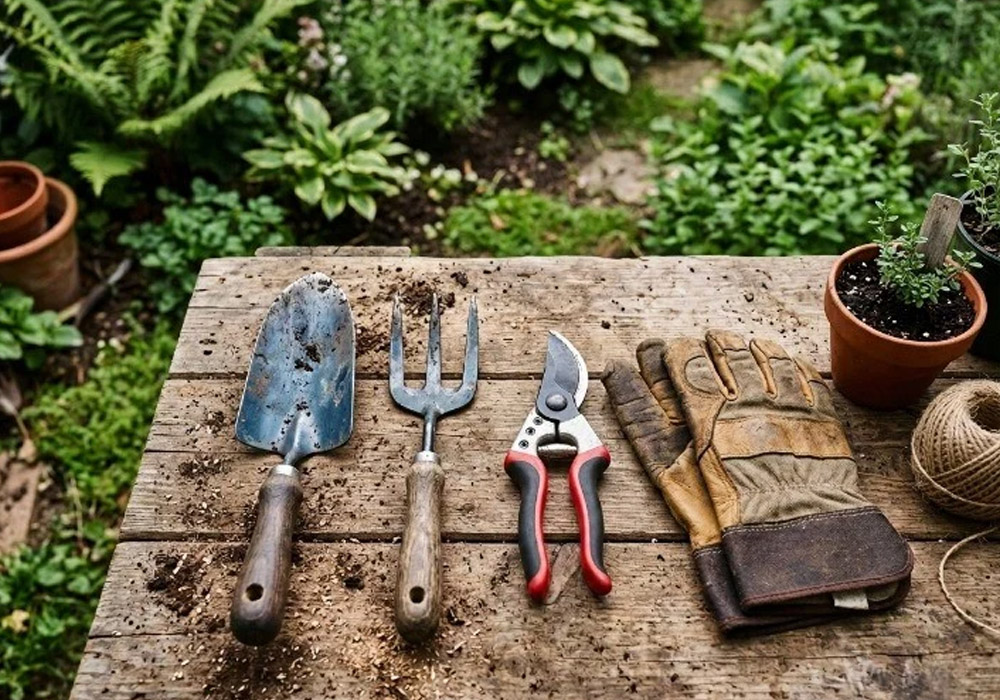
Gardening is one of the most rewarding ways to improve an outdoor space, whether you are growing colorful flowers, maintaining a lush green lawn, cultivating vegetables, or caring for plants in containers. However, keeping every plant properly watered can sometimes be more challenging than it appears. Different plants have different moisture requirements, and factors such as soil type, sunlight exposure, temperature, and container size all influence how often watering is necessary.
Having the right watering equipment can make daily garden maintenance easier, more efficient, and less time-consuming. Tools designed to control water flow and extend your reach allow you to care for delicate flowers, established shrubs, hanging baskets, and hard-to-reach garden areas without unnecessary effort. Understanding how these tools work and when to use them can help gardeners maintain healthier plants while making better use of their water supply.
Why Proper Watering Matters for Garden Health
Water plays a crucial role in plant growth. It helps transport nutrients through the soil, supports photosynthesis, and keeps plant tissues firm and healthy. However, providing too much or too little water can cause problems, even when plants receive adequate sunlight and fertilizer.
Overwatering may lead to waterlogged soil, root damage, and fungal diseases, while underwatering can cause wilting, poor growth, and reduced flower production. The ideal watering routine depends on the plant species, local climate, soil drainage, and stage of growth.
A practical approach is to check the soil before watering rather than following a rigid schedule. If the upper layer feels dry, many established garden plants may benefit from watering, although moisture requirements vary. Newly planted flowers and seedlings generally need closer attention because their roots have not yet developed fully.
Choosing appropriate watering equipment makes it easier to adjust the amount and direction of water delivered to different parts of the garden.
Choosing the Right Garden Hose Nozzle
A well-designed garden hose nozzle gives gardeners greater control over water pressure, spray patterns, and the amount of water reaching plants. Instead of allowing water to flow freely from an open hose, a nozzle can direct the stream toward specific areas and help reduce unnecessary splashing.
Different spray settings serve different purposes. A gentle shower is suitable for many flower beds and young plants, while a more concentrated stream can help rinse dirt from garden tools or clean outdoor surfaces. Some nozzles also offer misting settings that can be useful for certain delicate plants, provided the foliage does not remain unnecessarily wet.
When selecting a nozzle, consider comfort, durability, and ease of adjustment. A model with an ergonomic grip can make extended watering sessions more comfortable, particularly when maintaining a large lawn or several garden beds. Leak-resistant connections are also valuable because even a small leak can waste water over time.
Matching Spray Patterns to Plant Needs
Not every plant responds well to the same watering method. Delicate seedlings, newly transplanted flowers, and plants with fragile foliage can be damaged by forceful streams. A gentle spray distributes water more evenly and reduces the risk of washing soil away from exposed roots.
For established shrubs and larger plants, a stronger but controlled flow may be appropriate when directing water toward the soil around the root zone. However, the goal should generally be to moisten the soil rather than repeatedly soak the foliage.
Gardeners should also avoid using high pressure on loose potting mixes, freshly seeded lawns, and exposed flower beds. A softer setting allows water to penetrate the ground without disturbing seeds or compacting the soil surface.
The Benefits of Using a Garden Hose Wand
Some areas of a garden are difficult to water with a standard hose, especially when plants grow in elevated containers, deep flower beds, or tightly arranged borders. A garden hose wand provides additional reach, allowing gardeners to direct water more precisely without bending, stretching, or stepping into planted areas.
These extended watering tools are particularly useful for reaching hanging baskets, window boxes, raised beds, and plants positioned behind shrubs. Their length helps deliver water closer to the soil, which can reduce splashing and make it easier to avoid wetting nearby leaves unnecessarily.
Many watering wands feature a gentle shower head designed to distribute water over a wider area. This makes them useful for container gardens, flowering annuals, and other plants that benefit from even moisture.
Making Watering Easier for Hanging Baskets
Hanging baskets are attractive additions to patios, porches, balconies, and garden entrances. They also require consistent attention because their limited soil volume dries out faster than the ground in many outdoor settings.
During warm or windy weather, hanging baskets may need watering more frequently than plants growing directly in garden beds. Reaching them with a conventional hose can be awkward, and gardeners may accidentally spill water over the sides instead of directing it toward the roots.
An extended watering wand makes this task more manageable. Its reach allows water to be applied directly to the potting mix while the basket remains in place. Gardeners can move the shower head around the container to distribute moisture evenly, helping prevent dry pockets within the soil.
Always check whether excess water drains freely from the basket. Good drainage is essential because consistently saturated potting mix can damage roots, even when the plant appears to need more water.
Caring for Flower Beds Without Damaging Plants
Flower beds often contain a mixture of plant varieties with different heights, root structures, and watering needs. Closely spaced flowers can make it difficult to reach the soil without stepping on surrounding plants or damaging stems.
A watering wand helps direct water between plants, while an adjustable nozzle can provide suitable flow for different sections of the garden. Together, these tools offer flexibility when caring for borders that include low-growing ground cover, flowering perennials, and taller ornamental plants.
Whenever possible, water near the base of each plant. Directing moisture toward the root zone helps the soil retain the water where it is needed. It also reduces unnecessary wetting of flowers and foliage, which can be beneficial for plants susceptible to fungal problems.
Watering early in the morning is often a practical choice because cooler conditions reduce evaporation and allow plants to absorb moisture before the hottest part of the day. If morning watering is not possible, aim to water the soil carefully and avoid leaving foliage wet overnight.
Improving Lawn Care and Water Efficiency
A healthy lawn needs consistent moisture, especially during establishment and periods of hot weather. However, frequent shallow watering may encourage roots to remain close to the surface, making grass more vulnerable to dry conditions.
For many established lawns, deeper and less frequent watering is preferable when local weather, soil conditions, and grass species allow. Water should penetrate the root zone without creating puddles or running off compacted ground.
A hose nozzle can be useful for spot-watering dry patches, newly seeded sections, and lawn edges that receive less moisture from existing irrigation systems. It can also help gardeners water small grass areas without installing additional equipment.
To improve efficiency, water slowly enough for the soil to absorb moisture. If runoff begins, pause and allow the water to soak in before continuing. Checking the lawn for footprints that remain visible after walking across it can also help identify signs of moisture stress.
Maintaining Your Watering Equipment
Regular equipment maintenance helps extend the useful life of garden watering tools. After use, check hose connections for leaks, remove dirt from spray openings, and inspect adjustable controls for signs of wear.
Store hoses away from sharp edges and prolonged direct sunlight whenever possible. During colder weather, drain water from hoses and attachments before storing them to reduce the risk of damage from freezing temperatures.
It is also helpful to clean watering equipment periodically, particularly when using it around seedlings, edible plants, or containers that collect soil and organic debris. Follow the manufacturer’s cleaning instructions to avoid damaging seals or internal components.
Conclusion
Successful gardening depends on more than planting the right flowers or choosing suitable soil. Consistent, carefully managed watering is essential for maintaining healthy roots, encouraging flower production, and keeping lawns and outdoor spaces looking their best.
With suitable watering equipment, gardeners can adapt their approach to different plants and growing conditions. An adjustable hose nozzle offers control over water flow and spray patterns, while an extended watering wand makes it easier to reach hanging baskets, elevated containers, dense flower beds, and other challenging areas.
By combining the right tools with thoughtful watering habits, gardeners can simplify routine maintenance, reduce unnecessary water waste, and create an outdoor environment where plants have a better opportunity to thrive throughout the growing season.