
The Evolution of Audio Storytelling in Cultural Preservation
For centuries, the preservation of cultural heritage relied primarily on written records, visual art, and physical artifacts. While invaluable, these methods often present history as a static, distant subject. The advent of audio technology, however, began to transform how we capture and transmit collective memory, offering a more immediate and intimate connection to the past through the spoken word and sonic artifacts.
From early archival audio recordings to modern immersive experiences, the evolution of sound preservation has continuously sought to bridge the gap between past and present. We’ve moved from simply documenting voices to crafting entire soundscapes that allow listeners to step into historical moments. This journey reflects a growing understanding that sound is not merely a supplement to visual or textual history, but a powerful medium in its own right, capable of evoking emotions and fostering deeper understanding.
Early Radio and Audio Storytelling History
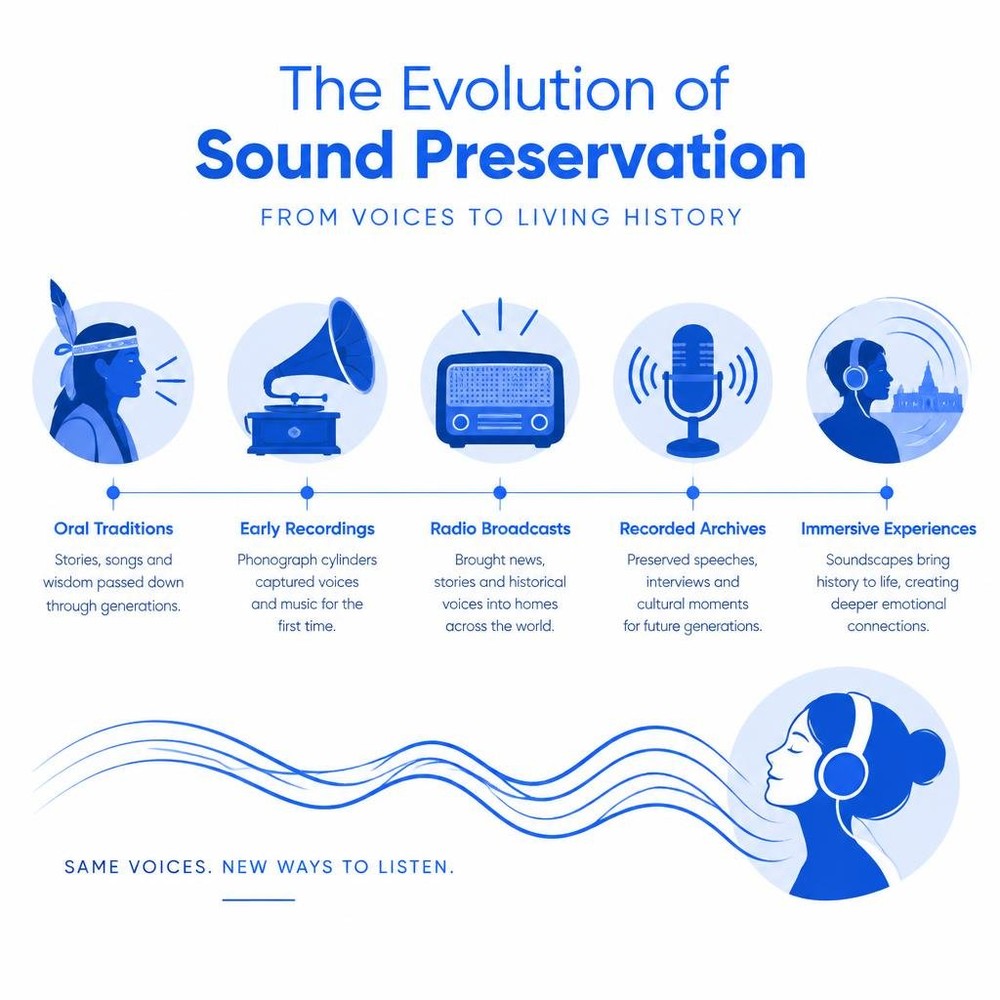
The earliest forms of audio preservation were rudimentary, beginning with phonograph cylinders in the late 19th century. These devices captured voices and music, offering the first tangible means to store and replay sound. While limited in fidelity and durability, they laid the groundwork for what was to come. The true revolution in audio storytelling for the masses arrived with radio broadcasts in the early 20th century. Radio transformed the way information and entertainment were consumed, bringing narrative drama, historical speeches, and news directly into homes.
During this era, dramatic serialization became a popular format, allowing listeners to follow complex stories over time, fostering a sense of community and shared experience. Historical speeches, such as those from political leaders or wartime figures, were broadcast, allowing millions to hear the voices that shaped their world. These early forays into audio storytelling, though often one-way and linear, demonstrated the profound power of the human voice to convey emotion, authenticity, and historical presence. They established audio as a vital tool for cultural preservation, capturing moments and voices that would otherwise be lost to time.
Modern Podcasts and Audio Storytelling History
Fast-forward to the 21st century, and audio storytelling has undergone another dramatic transformation with the rise of podcasts and advanced audio technologies. What began as simple digital recordings has evolved into sophisticated sonic experiences. Modern techniques like binaural audio and spatial sound allow creators to construct three-dimensional soundscapes, placing listeners directly within a historical environment. Imagine hearing the bustling streets of 18th-century Philadelphia or the hushed debates within Independence Hall, not just as background noise, but as an enveloping auditory reality.
Interactive elements, such as dynamic branching narratives, are also emerging, giving listeners a degree of agency in how they experience a story. This shift from passive listening to active engagement significantly enhances immersion and retention. Oral testimonies, once confined to academic archives, are now being transformed into compelling narratives through immersive journalism, allowing personal stories from the past to resonate with contemporary audiences. These innovations are not just about technological prowess; they represent a fundamental shift in how we conceive of and engage with historical narratives, making them more accessible, engaging, and emotionally resonant than ever before.
Bringing the American Founding Era to Life Through Voice
The American Founding Era, with its pivotal debates, fraught decisions, and the birth of a nation, is a prime candidate for the transformative power of audio storytelling. The Second Continental Congress, the clandestine meetings of the Committee of Five tasked with drafting the Declaration of Independence, and the very atmosphere of 1776 Philadelphia were filled with voices, arguments, and the palpable tension of revolution. Primary documents give us the words, but audio can restore the human element—the tone, the urgency, the passion—that breathes life into these historical moments.
Acoustic restoration and thoughtful sound design can transport us back to these critical junctures. We can imagine the creak of floorboards in a colonial assembly room, the murmur of delegates, or the scratch of a quill on parchment. By focusing on the auditory details, we move beyond mere facts to experience the emotional landscape of the time, understanding not just what happened, but how it felt to be there. This approach allows us to engage with the past in a way that traditional mediums often cannot, fostering a deeper, more empathetic connection to the individuals who shaped our nation.
Humanizing the 56 Signers of the Declaration
The 56 signers of the Declaration of Independence are often remembered as a collective, a monolithic group of “Founding Fathers.” Yet, each was an individual with a unique background, personal struggles, and immense personal stakes. At the time of signing, their average age was 44.6 years, with Benjamin Franklin, at 70, being the oldest and Edward Rutledge, at 26, the youngest. These were men from diverse walks of life: 25 were lawyers, others were merchants, plantation owners, and physicians. Eight were born outside the American colonies, bringing varied perspectives to the nascent nation.
Interactive audio storytelling allows us to peel back the layers of history and reveal the human beings behind the signatures. We can explore the intellectual prowess of Thomas Jefferson, the fiery rhetoric of John Adams, the pragmatic wisdom of Benjamin Franklin, or the bold leadership of John Hancock. Imagine hearing their debates, their anxieties, and their resolve. For instance, the story of John Hart, whose wife died while he attended Congress, or Abraham Clark, two of whose sons were imprisoned by the British, gains profound emotional weight when conveyed through a narrative voice that emphasizes their personal sacrifices. By focusing on these individual stories, their motivations, and the profound risks they undertook, we transform them from historical figures into relatable individuals. This humanization is crucial for understanding the true cost and courage involved in forging a new nation. To explore how such an audio storytelling platform makes these immersive journeys possible, we invite you to continue reading.
Reconstructing Historical Debates and Revolutionary Sacrifice
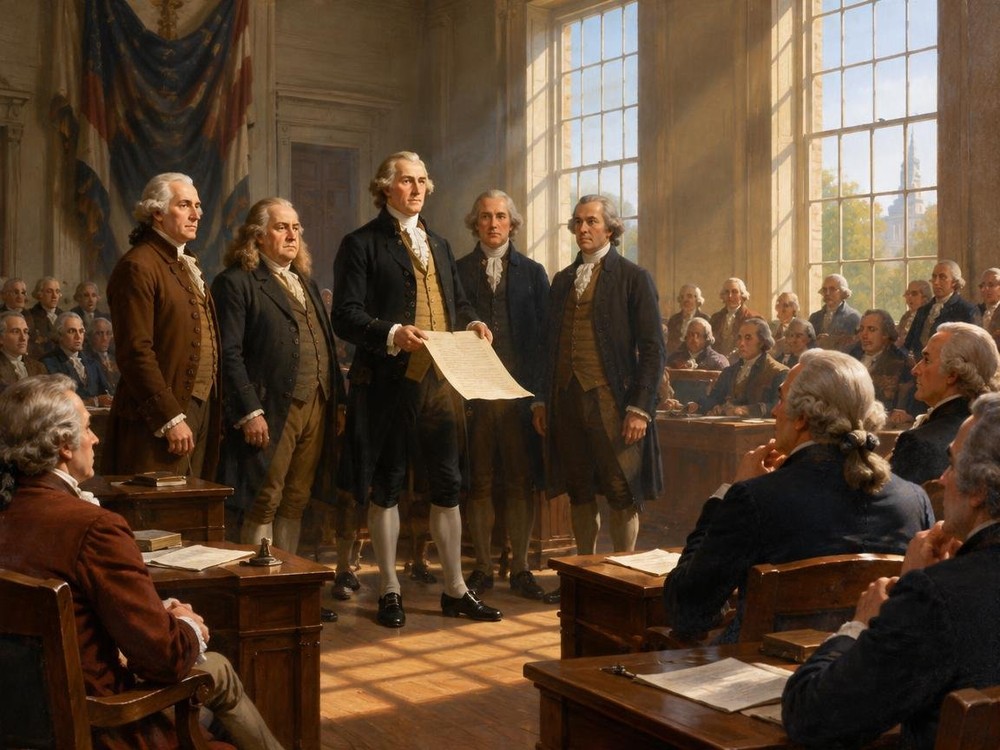
The signing of the Declaration of Independence was not a single, instantaneous event on July 4, 1776, as is commonly believed. While Congress adopted the Declaration on July 4, the engrossed copy was primarily signed on August 2, 1776, in Independence Hall, Philadelphia. Some delegates signed weeks or even months later, with Matthew Thornton adding his name last in November. This nuanced timeline, along with the intense debates that preceded it, can be vividly reconstructed through audio.
Consider the atmosphere within Independence Hall during those sweltering summer months. The Pennsylvania delegation, with nine signers, was the largest, reflecting the colony’s central role. The decision to sign was a death warrant in the eyes of the British Crown, a fact many delegates acknowledged. Benjamin Harrison V famously joked to Elbridge Gerry that due to his larger build, he would die quickly on the gallows, while Gerry, being slender, would “dance in the air” longer. Such anecdotes, when delivered with historical context and appropriate vocalization, highlight the gravity of their choice.
The personal sacrifices made by these men were immense. Nine signers died from wounds or hardships directly related to the Revolutionary War. Richard Stockton, a New Jersey signer, was captured by the British, imprisoned, and his property destroyed. Charles Carroll of Carrollton, the only Catholic signer and one of the wealthiest men in the colonies, risked his entire fortune. William Floyd’s home was occupied by British forces and converted into barracks. These stories of personal loss, military service, and financial ruin are not just facts; they are powerful narratives that underscore the profound commitment of the signers to the Revolutionary cause. Audio storytelling can bring these sacrifices to the forefront, allowing listeners to truly grasp the depth of their contributions.

Technical Innovations Transforming Heritage Soundscapes
The ability to bring historical events to life through audio is rapidly advancing, thanks to a suite of technical innovations. Modern sound design goes far beyond simple voice narration; it involves meticulous acoustic reconstruction, spatial mapping, and dynamic voice acting to create truly immersive experiences. Location-based audio, for example, allows narratives to unfold as listeners move through historical sites, creating a personalized and responsive journey. Interactive exhibits in museums and historical parks are increasingly integrating these technologies, offering visitors a more engaging and memorable encounter with the past.
These advancements are transforming how we think about heritage preservation. Instead of merely archiving sounds, we are now capable of engineering entire historical soundscapes, complete with ambient noises, character dialogues, and environmental cues that transport the listener across time. This shift from passive consumption to active, sensory immersion is redefining the potential of audio in cultural heritage.
Interactive Audio Formats vs. Traditional Preservation Methods
The distinction between traditional audio archives and interactive audio narratives is significant, marking a paradigm shift in how we engage with historical sound.
| Feature | Traditional Audio Archives | Interactive Audio Narratives |
|---|---|---|
| Engagement Model | Passive listening; listener consumes pre-recorded content | Active agency; listener can influence narrative path or focus |
| Format | Linear playback (e.g., historical speeches, oral histories) | Non-linear; branching paths, personalized journeys, responsive |
| User Experience | Informative, often academic; can feel distant | Immersive, empathetic, emotionally resonant; highly engaging |
| Techniques | Basic recording, digitization, metadata tagging | Spatial sound, binaural audio, dynamic voice, acoustic reconstruction, AI-driven adaptive narratives |
| Accessibility | Requires active search/playback; often text-heavy metadata | Designed for intuitive interaction; often mobile-first, multi-sensory |
| Goal | Preserve sound artifacts for research and reference | Recreate historical experiences, foster empathy, enhance learning |
Traditional archives are essential for preserving the raw sonic data of history. They offer invaluable primary sources for researchers and enthusiasts. However, they often present history in a decontextualized manner, requiring significant effort from the listener to derive meaning. Interactive audio narratives, on the other hand, leverage advanced technology to build a bridge between the past and the present. By employing acoustic reconstruction, they recreate the sound environments of historical periods, making them feel immediate and tangible. The emphasis shifts from merely hearing to truly experiencing history, offering a more profound and memorable connection.
Accessibility and Global Educational Reach
One of the most compelling aspects of modern audio storytelling is its potential to democratize access to heritage. Museum curation is being revolutionized by interactive audio guides that offer personalized tours, adapting to a visitor’s interests and pace. In classroom engagement, these narratives provide a dynamic alternative to textbooks, allowing students to hear history unfold, fostering greater interest and retention.
Crucially, audio formats inherently offer enhanced accessibility. Audio descriptions can make visual exhibits comprehensible to visually impaired audiences, while multi-language narratives can break down linguistic barriers, making historical content available to a global audience. Mobile accessibility means that these rich historical experiences are no longer confined to physical locations but can be accessed anywhere, anytime. This global reach and inclusivity ensure that the stories of figures like the Declaration signers can resonate with a far wider and more diverse audience than ever before, fostering a shared understanding of pivotal historical moments across cultures and continents.
Frequently Asked Questions About Heritage Audio Preservation
As we embrace these innovative approaches to heritage preservation, several common questions arise regarding their impact and implementation.
How does interactive audio storytelling improve historical retention?
Interactive audio storytelling significantly enhances historical retention through several key mechanisms. Firstly, it leverages cognitive recall by engaging multiple senses and active participation, which has been shown to create stronger memory traces than passive reception of information. When listeners are actively involved in choosing narrative paths or interacting with a historical soundscape, their brains are more deeply engaged in processing and storing that information.
Secondly, the emotional resonance of well-crafted audio narratives plays a crucial role. Sound, particularly the human voice, can evoke powerful emotions. By hearing the urgency in a historical debate or the fear in a personal account, listeners develop a stronger emotional connection to the material. This emotional engagement fosters narrative empathy, allowing individuals to understand historical figures’ motivations and experiences on a deeper, more personal level. When history becomes a story one can feel and participate in, it becomes far more memorable and impactful than a series of dates and facts.
When did the signing of the Declaration of Independence actually take place?
The precise timeline of the Declaration of Independence’s signing is a point of historical nuance that often surprises many. While the Continental Congress officially adopted the Declaration on July 4, 1776, this date marks the approval of the text, not the physical signing by all delegates. The document was then engrossed (officially written out on parchment).
The vast majority of the 56 signers affixed their names to the engrossed copy nearly a month later, on August 2, 1776. This date is widely considered the primary signing event. However, not all delegates were present or able to sign on August 2. Some signed weeks or even months later, as noted in the Secret Journals of Congress. For instance, Thomas McKean, a delegate from Delaware, famously stated he signed in January 1777, though historians debate the exact timing of his signature. Matthew Thornton of New Hampshire was the last to sign, in November 1776, having joined Congress after the initial August signing. So, while July 4 is celebrated as Independence Day, the collective act of signing the Declaration was a more drawn-out process, primarily occurring on August 2.
How can historical archives balance dramatic storytelling with factual accuracy?
Balancing dramatic storytelling with factual accuracy is paramount in heritage audio preservation. The key lies in a rigorous, multi-faceted approach. Firstly, primary sources must form the bedrock of any narrative. Every detail, dialogue, and event depicted should be traceable to historical documents, letters, diaries, and official records. This requires extensive historical research and validation.
Secondly, transcript validation is crucial. When incorporating historical speeches or testimonies, their exact wording should be preserved, or if paraphrased for narrative flow, clearly indicated as such and grounded in the original source’s intent. Contextual nuance is also vital; dramatic elements should enhance understanding of historical realities, not distort them. This means avoiding anachronisms, mischaracterizations, or oversimplifications that might make a story more exciting but less true.
Finally, expert curation and review are indispensable. Historians, archivists, and subject matter experts should be involved at every stage of production, from script development to final sound design, to ensure that dramatic license never compromises historical integrity. The goal is to make history engaging and accessible without sacrificing its authenticity.
Conclusion
The journey through the evolution of audio storytelling reveals a profound shift in how we connect with our past. From the crackle of early phonographs to the immersive soundscapes of today’s interactive platforms, we have continuously sought more intimate and engaging ways to preserve and experience history. For foundational narratives like those of the Declaration of Independence signers, this evolution is transformative. By humanizing these pivotal figures and reconstructing the auditory world they inhabited, we foster a deeper understanding of their courage, sacrifices, and the monumental decisions they made.
As we look to the future, interactive audio archives represent a powerful frontier in heritage conservation. They offer not just a record of the past, but a living, breathing experience that can bridge generational connections and embed historical understanding through the power of auditory memory. By embracing these innovations, we ensure that the stories of those who forged our nation remain vibrant, relevant, and accessible, continuing to inspire and educate for generations to come. This is more than just preserving sound; it’s about keeping history alive.