Three foundation repair quotes. Same house. Same week. If you live in Richardson, that sentence probably doesn’t shock you. The ground under your home swells after rain and shrinks in August, and every pipe buried in it takes the ride.
Most homeowners blame the pipe. The pipe is rarely the villain. The soil is.
This piece walks you through how Richardson’s clay does its quiet damage, which warning signs show up first, and what a sensible prevention routine looks like. You’ll also learn why the fix is usually cheaper when you call earlier rather than later, which means knowing when to bring in a plumber in richardson instead of waiting for a wet spot to grow into a demolition project.
Why clay behaves nothing like the sand people picture
Plenty of us grew up picturing soil as loose and grainy. North Texas ground is closer to a sponge that hardens into concrete. The Blackland Prairie clay that runs through this region holds enormous amounts of water, and when it dries it contracts hard enough to shift foundations.
According to the U.S. Geological Survey, expansive soils cause more damage to structures than earthquakes, floods, hurricanes, and tornadoes combined in an average year. That’s not a scary number thrown around by foundation companies. It’s a documented reason that builders here take soil seriously, and a reason your plumbing takes a beating your cousin in Arizona never deals with.
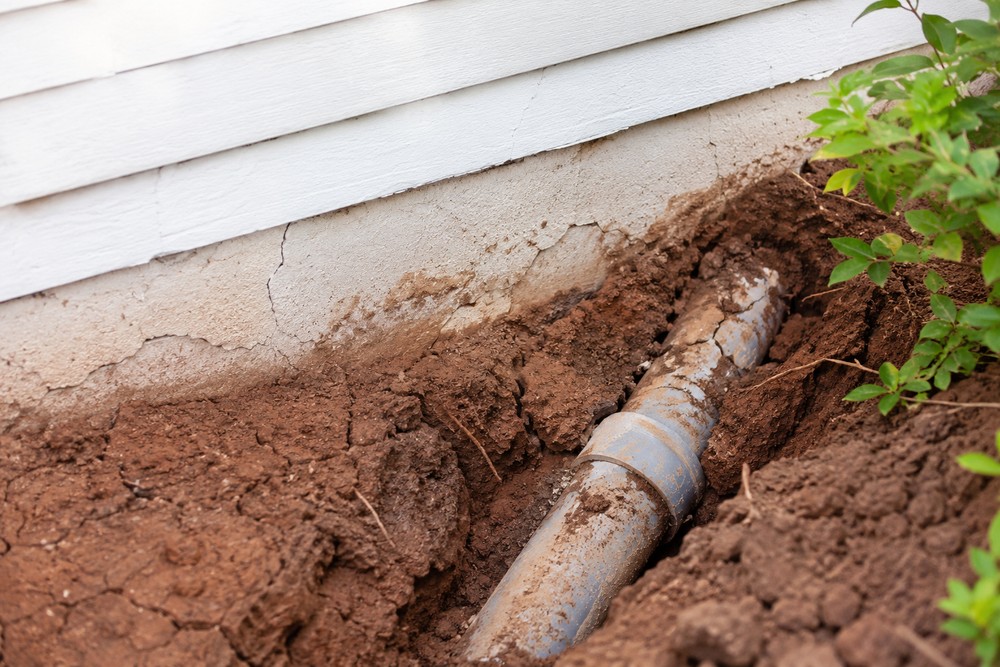
Here’s what that means at ground level. Summer cracks open in the yard. A water heater line under the slab sits quietly while the dirt around it pulls away. Then October rains arrive, the clay swells, and something has to give. Often it’s a joint, a fitting, or an older cast iron drain that was already thin.
The four failures Richardson homes see most
You don’t need a chemical engineering lecture. You need to recognize patterns. In my experience watching how this plays out across Collin County neighborhoods, the same handful of problems repeat.
Slab leaks that show up as a mystery bill
The first clue usually isn’t water on the floor. It’s a water bill that climbed for no reason, or the faint sound of running water when every fixture is off. Slab leaks happen when a pipe under the foundation wears through or gets stressed by movement. Catching them early means a targeted repair. Catching them late means flooring comes up.
Drain lines that belly and clog on repeat
Soil movement can shift sections of sewer line out of alignment, creating a low spot that collects debris. You snake the drain, it runs fine for a month, then it backs up again. A repeating clog in the same spot is a geometry problem, not a hair problem.
Cast iron and older pipe that quietly thins
Lots of Richardson housing stock dates back decades, and cast iron drains don’t last forever. They rust from the inside out. A camera inspection tells you the true condition in about the time it takes to drink a coffee. Guessing does not.
Pressure problems caused by shifting PRV fittings
High water pressure does slow damage to fixtures and appliances, and the pressure reducing valve that keeps it in check can fail or get jostled. If your outdoor spigot feels like it could strip paint, that’s worth a look.
Step one: run the 20 minute plumbing walkthrough
This is the part you can do yourself, this weekend, without buying anything. Take a clipboard or just your phone notes.
- Shut off every faucet and appliance that uses water. Find your meter. Watch the leak indicator, usually a small dial or triangle, for ten minutes. Movement means water is escaping somewhere.
- Walk the perimeter of the house and note new cracks in brick or mortar, especially diagonal ones near the corners.
- Check the base of every toilet for wobble, and look for staining at the floor seam.
- Press your thumb into the soil in three spots near the foundation. Bone dry and pulling away from the slab is a signal to water consistently, not to flood it.
- Write down any drain that has clogged more than twice in a year. That list is gold when you talk to a pro.
The EPA keeps homeowner guidance on water sense and household water use, and it’s a solid companion read for understanding what normal usage looks like in your house.
The soil maintenance routine that actually pays
You can’t stop the clay from moving. You can reduce how violently it does.
Water deeply and infrequently during dry stretches, aiming for the foundation perimeter rather than the middle of the lawn. Keep gutters clear so roof water lands away from the slab instead of soaking the soil right next to it. Extend downspouts a few feet out. Plant new trees a sensible distance from the house, since roots chase moisture and pipes and don’t distinguish between them.
None of this is glamorous. All of it is cheaper than repiping a slab.
When to call, and what to ask before you do
Here’s my take, and I’ll own the bias: most homeowners wait about six months too long. A running meter, a repeated backup, warm spots on the floor, or a bill that jumped without a lifestyle change are all reasons to pick up the phone this week.
Ask three questions before booking. Do you camera the line and show me the footage? Do you provide written documentation of what you found? Is the crew in-house or subcontracted? A company that answers all three clearly is usually a company that won’t surprise you at invoice time. Trade groups like the Plumbing-Heating-Cooling Contractors Association push for exactly that transparency, and it’s a fair standard to hold any shop to.
A note on insurance and documentation
If you’re filing a claim for water damage, the report a plumber writes matters. Photos, a diagnosis tied to a specific failed component, and a clear statement of the cause can be the difference between a covered claim and a fight. Ask for it in writing, every time. It’s your paperwork, not theirs.
The takeaway for your house
Richardson plumbing isn’t high drama. It’s slow, patient physics. The clay moves, the pipe follows, and the homeowner who watches the meter and keeps a clog log has a real advantage over the one who finds out when the floor gets squishy.
So here’s your assignment. Do the 20 minute walkthrough this weekend. Write down what you find. If the meter moves or the same drain clogs again, don’t wait for the next rain to make the decision for you. What would your house look like right now if you’d caught the first sign a year earlier?