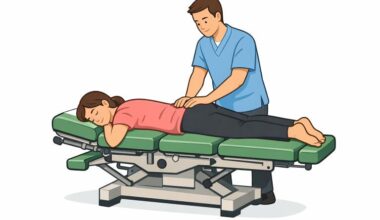
Accident injury treatment supports your insurance claim by creating medical evidence that connects your injuries to the accident, documenting the severity of your condition, and demonstrating the care you needed to recover.
Consistent treatment also helps insurers evaluate the extent of your damages and can strengthen your position during settlement negotiations. Without timely medical care, it may become more difficult to prove that your injuries were caused by the accident.
After a collision, many people focus on repairing their vehicle or returning to work as quickly as possible. However, your health should always come first because some injuries are not immediately noticeable. Seeking care from qualified accident doctors soon after a crash can protect your well-being while creating a clear medical record that supports your insurance claim.
Medical Records Establish a Clear Link to the Accident
One of the most important parts of any insurance claim is proving that your injuries resulted from the accident rather than another event.
Medical evaluations performed shortly after the collision document your symptoms, diagnosis, and recommended treatment. This timeline helps establish a direct connection between the accident and your injuries, making it more difficult for an insurance company to argue that your condition existed beforehand.
Your medical records can also provide important details about when symptoms began and how they changed over time. Notes about pain levels, physical limitations, medications, and treatment recommendations can help create a chronological record of your recovery. Keeping copies of appointment records, test results, prescriptions, and medical bills can make it easier to organize this information when discussing your claim with an insurer or attorney.
Consistent Treatment Demonstrates the Severity of Your Injuries
Insurance companies often review your treatment history to determine whether your injuries are as serious as you claim.
Attending follow-up appointments, completing physical therapy, and following your healthcare provider’s recommendations demonstrate that you are actively working toward recovery. Gaps in treatment may give insurers an opportunity to question the seriousness of your injuries.
Consistent treatment does not mean you should receive unnecessary medical care simply to increase the value of a claim. Instead, treatment should be based on your healthcare provider’s recommendations and your actual medical needs.
If transportation, cost, scheduling, or another issue prevents you from attending an appointment, communicating with your provider and documenting the reason can help explain any interruption in your treatment history.
Diagnostic Tests Provide Objective Evidence
X-rays, CT scans, MRIs, and other diagnostic tests can reveal injuries that may not be visible during a physical examination.
These objective findings support your claim by providing measurable evidence of
- Fracture
- Soft tissue injuries
- Spinal damage
- Traumatic brain injuries.
Medical imaging often becomes a critical part of settlement negotiations.
Treatment Records Help Calculate Damages
Insurance claims involve more than simply proving an injury occurred. Medical bills, prescription costs, rehabilitation expenses, and ongoing treatment records help establish the financial impact of the accident.
These documents also help demonstrate future medical needs if your injuries require long-term care or continued rehabilitation.
Following Medical Advice Strengthens Your Claim
Ignoring medical recommendations or stopping treatment prematurely can affect both your recovery and your insurance claim.
When you follow your treatment plan, you create a consistent record showing that you took reasonable steps to recover from your injuries. This documentation may strengthen your credibility throughout the claims process.
It can also be helpful to keep a personal record of accident-related expenses and limitations. For example, you may document transportation costs for medical appointments, missed work, difficulty performing daily activities, and other losses related to your injury. These records do not replace formal medical documentation, but they can help provide a fuller picture of how the accident affected your life.
Medical Documentation and Legal Responsibility
Medical evidence often plays a significant role in personal injury claims because the injured person must demonstrate that another party’s negligence caused their damages.
Under the Restatement (Second) of Torts § 281, a person may be liable for harm resulting from a failure to exercise reasonable care when that negligence causes injury. Comprehensive medical documentation can help establish both the existence of your injuries and the damages associated with them.
For Texas personal injury claims, Texas Civil Practice and Remedies Code § 41.0105 is also relevant when medical expenses are part of the damages being claimed. The statute addresses the limit on recovery of medical or healthcare expenses, making accurate documentation of medical charges and amounts paid or incurred particularly important.
Because rules can vary by state and the circumstances of a claim, the applicable law should be reviewed based on where the accident occurred and where the claim is being handled.
Protect Your Health and Your Insurance Claim
Seeking prompt medical treatment after an accident is one of the most important decisions you can make. Early diagnosis helps identify hidden injuries before they worsen, while consistent care creates reliable evidence that supports your insurance claim.
By following your healthcare provider’s recommendations and maintaining complete medical records, you improve your chances of recovering physically while building a stronger foundation for fair compensation.
Key Takeaways
- Prompt medical treatment creates a clear connection between your injuries and the accident.
- Consistent care demonstrates the seriousness of your injuries to insurance companies.
- Diagnostic tests provide objective evidence that supports your claim.
- Medical records help document current expenses and future treatment needs.
- Following your treatment plan strengthens both your recovery and your credibility.
- Comprehensive medical documentation can help establish negligence and damages in a personal injury claim.
- Seeking care immediately after an accident protects both your health and your legal interests.