When the Park Looks Flat Until You Unload the Gear
All outdoor events start with hope. The sun is brilliant, the permission is accepted, and someone says, “This grassy area will work perfectly.” The team arrives, lays down a few cases, and learns the truth. The field dips, the concrete leans like it has ideas, and one part of the performance area feels like pudding.
This is where portable stages make money. A modular stage elevates artists from the turmoil instead than constraining them to sing, speak, or dance on a raccoon-designed surface. Adjustable legs and segmented design allow construction on irregular terrain without civil engineering issues.
That matters more than organizers think. An unstable platform isn’t only unattractive. It affects how performers move, equipment sits, and show safety. Tip of microphone. Speakers change. Half of musicians’ energy is spent standing. Even if they can’t articulate why the event feels cursed, the audience senses.
Fast Setup Means Fewer Meltdowns Before Showtime
Outdoor productions excel at mealtime. The timetable hangs by a wire when a truck comes late and the extension cables vanish. Traditional staging with heavy equipment, extensive assembling stages, or a small army might make things worse.
Speed-built portable stages help. Fold-out frames, locking decks, and components without submarine-style toolboxes are used in many systems. That means less time fighting hardware and more time improving the event, such as testing sound, changing lights, and reminding the keynote speaker not to poke the microphone like it owes them money.
Quick setup goes beyond convenience. It can impact labor expenses and stress. Every additional hour on site increases manpower, rental time, and weather variability. Effective staging allows event organizers breathing room, which is unusual and lovely.
Small Trucks and Tight Storage Spaces Need a Smarter Stage
Not all organizations can fit a marching band and three food trucks in their warehouse. Community groups, schools, churches, and local governments frequently have limited storage and transportation. They need real-world equipment, not a dream where every event has a truck trailer and infinite resources.
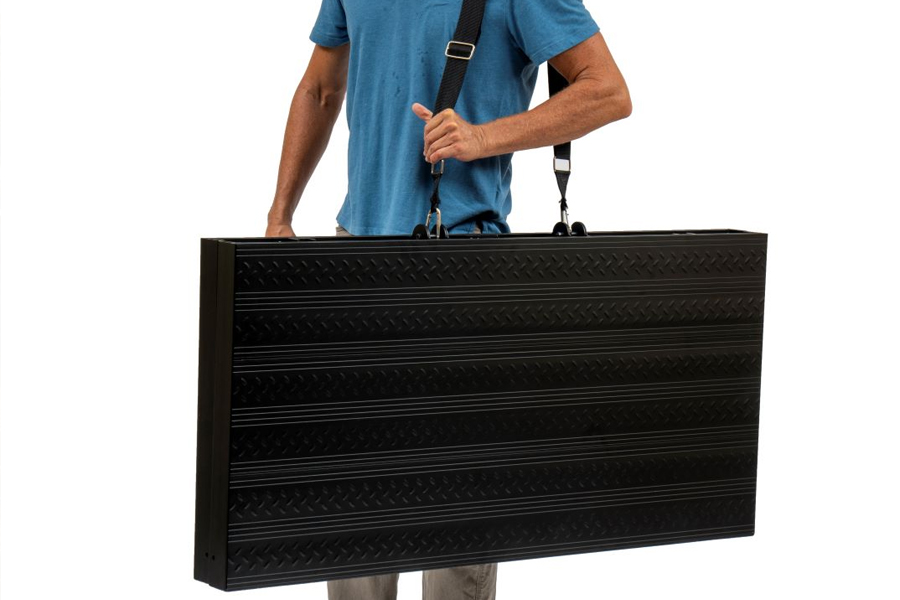
Portable stages with breakable parts work well in these scenarios. Sections can stack, fold, and ride in non-commercial vehicles without a commercial license or superconfidence. This flexibility may transform organizations that hold many events in different places.
It also makes planning less dramatic. If the stage can move easily, the event becomes easier to schedule, staff, and repeat. That is especially useful for seasonal concerts, graduation ceremonies, fundraisers, and neighborhood festivals where the budget is already doing acrobatics.
Of course, portability is not magic. Bigger shows still need stairs, rails, skirts, ramps, and support pieces. But even with accessories included, a modular setup often remains easier to handle than a bulky fixed structure that behaves like a moody dinosaur.
Weather Has No Manners and Portable Stages Know It
Outdoor events are brave little creatures. They go ahead despite wind, damp grass, heat, surprise drizzle, and skies that look harmless until they absolutely are not. Since weather never sends a polite calendar invite, the stage itself has to be ready for changing conditions.
Outdoor portable stages usually include slip-resistant surfaces and sturdy materials to withstand moisture and temperature changes. Elevating the performance space keeps people and equipment off moist ground, which is vital because nobody wants to see a guitarist perform next to an electrically ambitious puddle.
Wind also causes problems. Anchoring and accessories increase stability in unfavorable situations with a suitable portable staging system. Stages shouldn’t pretend to be stronger than predicted. It gives organizers more flexibility to handle outside situations.
This flexibility matters since weather concerns seldom start dramatically. Often they start as minor irritations. This patch is smooth. A muddy nook. A cable route that becomes a wetland display. A good portable stage decreases the amount of small issues that might become a raincloud nightmare.
Better Sightlines Keep the Crowd Happy and Awake
If the audience cannot see what is happening, the event starts to feel like a very expensive podcast. People in the front row may be delighted, but everyone else is left staring at hats, shoulders, and that one giant guy who always appears right when the show begins.
Portable stages build elevation where it counts. A small elevator may greatly increase visibility for standing audiences, seated spectators, or mixed-use facilities with food and folding chairs. The outcome is a more engaged experience without any effort.
This is crucial during public events with uncertain crowds. Kids sit on blankets. Adults cluster. Latecomers claim to like the rear. A higher platform connects the performance to everyone, not just the front dozen.
The visual impact matters. A stage centers the event. It directs viewers and gives performers a feeling of occasion. Even a small portable setup can make a gathering feel more polished, purposeful, and less like someone plugged in a speaker beside a picnic table and hoped for the best.
Safety Gets Much Less Boring When You Imagine Lawsuits
Safety may not be the glamorous part of event planning, but it becomes extremely interesting the moment something goes wrong. A shaky platform, poor load support, awkward stairs, or missing rails can turn a joyful concert into a paperwork festival of doom.
Portable stages can increase safety if chosen and placed appropriately. Engineered systems have load ratings, appropriate attachments, and practical features for public safety. That matters when the platform must hold singers, instruments, speakers, lecterns, and a drummer who takes every song like a last fight.
More crucially, modular solutions enable organizers construct an event-specific configuration instead of improvising with mismatched risers and optimism. Need two-sided stairs? Add them. Need taller platform guardrails? Use them. Required ADA access? Many systems support it.
Nothing replaces careful planning. Quality requires proper assembly, weight control, and inspections. However, running a safe event is simpler when the structure was planned for public performance rather than a creative combination of platforms from three zip codes.
Buying Flexibility Can Beat Renting Repeatedly
The money concern always arises on time for outdoor event organizers. Stage rentals every several months may seem easy, yet they build up silently and mercilessly. Delivery, labor, scheduling issues, and restricted availability all make repeated rentals costly.
A moveable stage changes the math. For regular programming groups, the initial expenditure is higher but the long-term return is high. A reusable stage can lessen vendor dependency if a school holds ceremonies, concerts, and community events year-round or a town organizes seasonal acts in several parks.
Ownership provides organizers control. They can practise setup, standardise layouts, and plan events without waiting for rental inventory to match dates. In a sector where one delayed truck may cause a catastrophe comic chain reaction, predictability is important.
Buying is not always better. The system needs frequent storage, maintenance, shipping, and inspection. Some organizations are better off renting. Portable staging offers possibilities, which are invaluable when event planning starts flinging chairs.
Portable Stages Fit More Than Just Concerts
One of the best things about modular staging is that it refuses to stay in a single lane. A system purchased for concerts can often support speeches, award ceremonies, dance performances, school productions, fashion shows, worship events, and civic gatherings with only minor changes in layout.
Versatility improves the investment over time. Instead of buying equipment for one type of performance, organizers may adjust a platform to numerous audience sizes and event types. It features a jazz quintet one weekend. Next week, it supports a graduation podium. Several days later, it hosts a local talent show with a magician, three anxious singers, and one youngster doing karate for reasons only the schedule planner knows.
The point is simple. Flexibility has practical value. When a stage can serve multiple purposes, it becomes part of the event toolkit rather than a one-use specialty item.
FAQ
Why are portable stages useful for outdoor events?
Portable stages help create a level, elevated, and organized performance area in places where the ground may be uneven, damp, or awkwardly sloped. They also make setup faster and can improve both safety and audience visibility.
Can a portable stage handle bad weather?
A portable stage can help manage outdoor conditions better than performing directly on the ground, especially if it has slip-resistant surfaces and weather-tolerant materials. However, it is not a free pass to ignore wind, rain, or severe weather planning.
Are portable stages only for small events?
No. Portable stages come in many sizes and configurations. Some work best for local gatherings and school functions, while others can be expanded to support larger productions with additional accessories and structural support.
Is buying a portable stage cheaper than renting one?
It can be cheaper over time if an organization hosts events regularly. Frequent use may justify the purchase cost, but storage, transportation, maintenance, and inspections should all be considered before making that decision.
Do portable stages improve audience experience?
Yes. A raised performance area gives the audience better sightlines and creates a clearer focal point for the event. That helps the show feel more professional and makes it easier for people farther back to stay engaged.