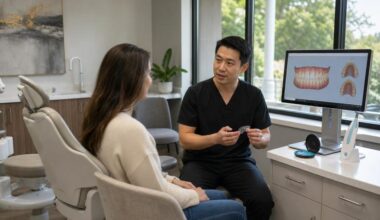
Patient demand is climbing faster than a toddler who just discovered stairs. More people need care, appointment slots disappear within minutes of opening, and some waiting rooms now look like a Black Friday sale at an electronics store. Chaotic, loud, and somehow someone’s always arguing about a coupon.
Hospitals and clinics can’t just snap their fingers and hire twenty new doctors overnight. Medical school takes years, not a weekend seminar. That’s where digital healthcare solutions step in, and they’ve been quietly doing the heavy lifting for a while now, like the coworker who never asks for credit.
Picture a clinic buried under new patients, with a waitlist that stretches into next year like a bad Netflix queue. Today, offering telehealth to patients solves a huge chunk of that traffic jam, and nobody has to pour concrete for a new exam room. No hard hats, no permits, no guy named Gary drilling into a wall at 7am.
A patient with a simple follow-up question doesn’t need to drive across town, circle a parking lot four times, and sit next to someone coughing into a magazine from 2019. They just click a link from their couch, still in yesterday’s sweatpants, and get an answer in ten minutes. Nobody misses the parking lot.
The Waiting Room Was Never Built for This Many People
Old-school healthcare setups assumed patient volume would stay flat forever, like it was 1975 and nothing would ever change. That assumption aged about as well as gas station sushi. Populations grow, chronic conditions are more common, and people live longer, which is great, except it also means more checkups.
More checkups mean more prescriptions and more phone calls asking if a weird mole is trying to kill someone. Physical space can’t stretch to match all that. You can’t just wish three new exam rooms into existence, no matter how hard a clinic manager stares at the ceiling tiles.
Digital tools solve the space crunch without demolishing a single wall. Virtual visits, remote monitoring, and online scheduling let clinics take on way more patients without expanding the building or hiring an army overnight. It’s the quiet fix nobody throws a parade for, but it works.
Technology That Doesn’t Feel Like a Trap
Some digital health tools actually make life easier, and that’s rare enough to mention twice. Remote monitoring devices let doctors track blood pressure or glucose without dragging someone back into the office every single week just to sit in a paper gown for ten minutes.
Online scheduling means nobody sits on hold listening to elevator music that sounds like it was recorded in 1994. These tools save time for patients and staff alike. A receptionist who isn’t buried under a hundred ringing phones tends to be a much happier human, and that mood spreads through the whole building like free donuts in the break room.
Nobody’s Trying to Replace the Doctor Here
A common fear is that all this technology is quietly phasing out real doctors. Digital tools handle the logistics so physicians can spend more time practicing actual medicine instead of untangling scheduling conflicts or chasing lost paperwork through a filing cabinet from another decade. A doctor using digital tools isn’t cutting corners. They’re working smarter, seeing more patients without sprinting through every appointment like it’s a fire drill.
Meeting Demand Without Losing Your Mind
Growing patient demand isn’t a phase that fixes itself, like a bad haircut you just wait out. It’s the new normal, whether clinics are ready or not. Providers need real solutions instead of hoping fewer people catch a cold this winter.
Digital healthcare tools give clinics breathing room. They stretch limited resources further, cut down on pointless office visits, and let everyone spend less time drowning in logistics. That breathing room matters more than most people give it credit for.
So if a clinic is drowning in demand and still running like it’s 1998, minus the dial-up internet sound, it might be time for an upgrade. Digital healthcare solutions aren’t some flashy trend fading out next year. They’re quietly becoming the backbone of modern healthcare, one video call at a time.