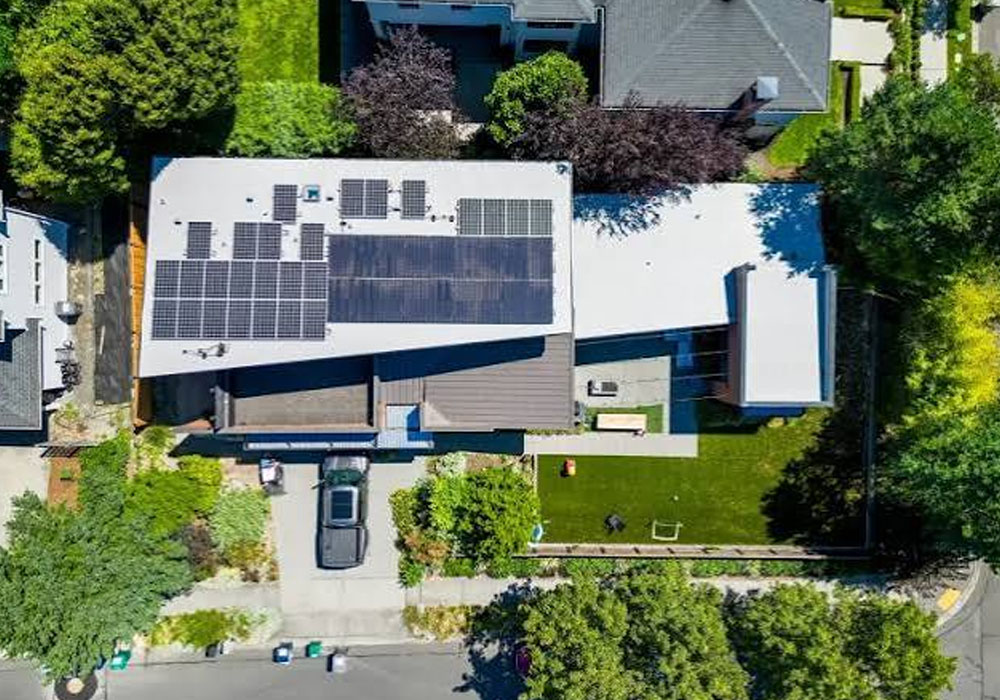
Modern architecture favors clean lines, practical forms, and open exterior spaces. A flat roof complements this style while preserving interior height and a simple profile. The right system can also support strong moisture control during long periods of rain.
Homeowners who assess Roofing in Seattle must account for slow water runoff, damp conditions, and seasonal debris. Flat roofs need purpose-built materials and precise details rather than standard asphalt shingles. This article covers the features that help these systems suit modern residential designs.
Durable Membrane Systems
A continuous membrane forms the main waterproof layer across a flat surface. PVC and TPO systems use sealed seams that help block water at vulnerable joints. Torch-down products provide another option for select roof structures and project needs.
Material choice should reflect roof pitch, drainage layout, insulation needs, and expected foot traffic. Light-colored membranes can also limit excess heat across exposed roof areas. Qualified assessment helps match the system to the structure rather than appearance alone.
Reliable Drainage for Rain in Seattle
Flat roofs are never completely level because a slight pitch directs water toward drainage points. A sound layout may use interior drains, scuppers, gutters, or several outlets across a broad surface. These parts reduce puddles that could place stress on seams and roof decking.
Key drainage features include:
- Tapered insulation that guides water toward outlets
- Wide drain openings that allow steady runoff
- Overflow paths for severe rainfall
- Leaf guards that help keep debris away
- Accessible points for routine roof checks
Seattle receives frequent wet weather, so drainage deserves attention during initial roof design. Clear outlets and accurate slope placement protect the membrane from long periods of pooled water. Regular checks also help identify blocked paths before moisture reaches lower layers.
Secure Seams and Edge Details
Seams, roof edges, vents, skylights, and wall connections require careful protection. Water can enter through a small gap even when the central membrane remains intact. Strong flashing and compatible sealants help close these transition points.
Important detail areas include:
- Parapet walls and metal coping
- Plumbing vents and mechanical curbs
- Skylight frames and access hatches
- Drain bowls and scupper openings
- Connections between roofs and exterior walls
These details also preserve the crisp appearance associated with modern architecture. Neat edges and concealed drainage parts create a refined roofline without sacrificing water control. The result suits simple forms while protecting complex junctions.
Professional Flat Roof Assessment
Specialists who handle flat and low-slope systems can evaluate deck condition, insulation, drainage, flashing, and membrane compatibility. Their services may include roof repair, complete replacement, custom roof details, and rooftop deck waterproofing for modern residences. This dedicated support helps property owners select an assembly that suits Seattle’s weather and the home’s structural needs.
Experienced Roofing in Seattle also requires a clear plan for hidden rot, damp insulation, and weak decking found after old materials come off. Accurate inspections can expose such concerns before the new system covers them. Detailed proposals should state the chosen membrane, insulation approach, drainage work, flashing scope, and deck repairs.
Flat roofs support clean architecture, efficient space use, and flexible exterior plans. Strong membranes, planned drainage, suitable insulation, and secure transition details help the system resist Seattle’s wet conditions. A roof built around the structure and climate can protect the home while preserving its modern character. Routine inspections should focus on drains, seams, wall joints, and surface damage. Prompt repairs can stop small defects before moisture affects insulation or decking. Careful material selection and precise installation give a modern flat roof lasting practical value.