A Botox needle is only as good as what a patient feels the second it touches skin. Most people brace for a sting before anything even happens, and that flinch alone can throw off an otherwise calm appointment. Clinics have spent years hunting for a needle thin enough to make that flinch pointless. The TSK INViSIBLE NEEDLE for Botox was built for exactly that job, a 34 gauge tip made specifically for botulinum toxin work, and this piece walks through how clinics actually use it, step by step, with real numbers behind every claim.
Why Gauge Size Actually Matters
Needle gauge works backward from what most people expect. A bigger number means a thinner needle, not a fatter one. The Invisible Needle sits at 34 gauge, which puts its outer width at roughly 0.2mm. TSK’s own comparisons put that at about 33% thinner than a standard 30G needle and 14% thinner than TSK’s own 33G model. That difference sounds small on paper. In practice, it’s the gap between a patient wincing and a patient not noticing much at all. Thinner steel also drags less through the skin, which is part of why bleeding and bruising drop off so sharply with this needle.
Getting It Ready For A Session
Before the toxin ever reaches a muscle, a few steps happen in order.
- Attach the needle to a Luer lock syringe, twisting until the external threading grips tight and won’t pop loose under pressure
- Inspect the sterile pouch before opening it. A torn or opened pack means the needle gets thrown out, no exceptions
- Prime the hub so no air pocket sits between the plunger and the tip, since trapped air throws off dosing
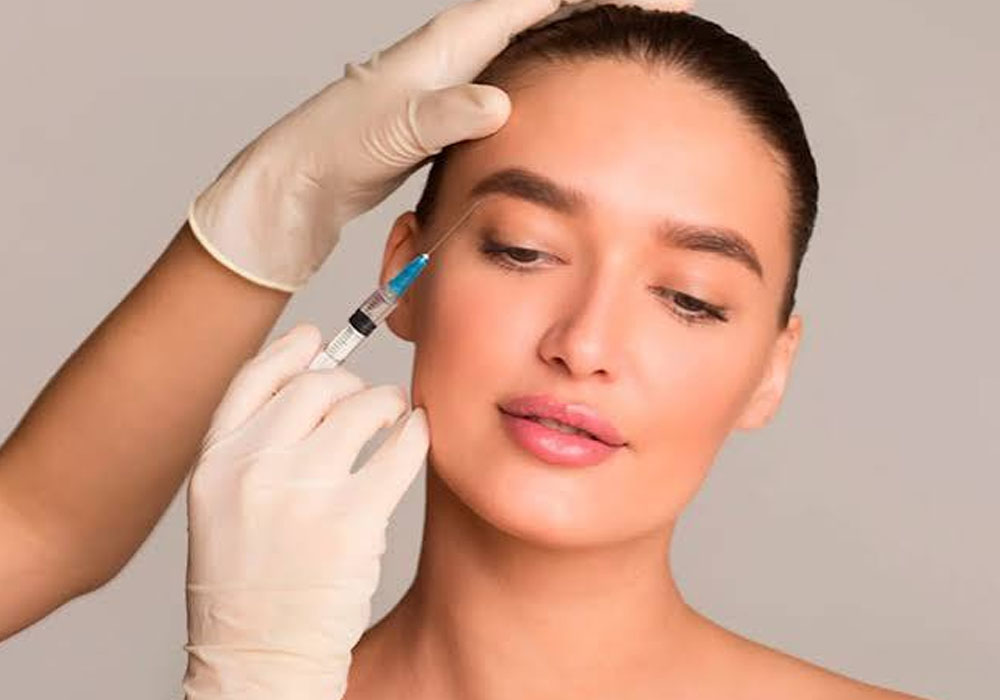
- Enter the muscle at the angle the toxin’s dosing chart calls for, usually a quick, shallow pass
- Withdraw slowly, then drop the sharp straight into an approved sharps container
None of these steps take long. A trained injector moves through the whole sequence in under a minute per site.
What Changes For The Patient
The appeal isn’t just comfort, though comfort matters plenty. Less bleeding means fewer bruises to explain at work the next day. Faster injections mean shorter appointments, which matters when a single visit covers a dozen or more injection points across the forehead and around the eyes. Botox itself isn’t a niche treatment anymore. The American Society of Plastic Surgeons reported close to 4.7 million botulinum toxin procedures in the US in 2023 alone, a 6% climb from the year before. That volume is exactly why the needle delivering the toxin matters as much as the toxin itself.
The Needle By The Numbers
| Needle | Gauge | Approx. Diameter | vs. 30G | vs. 33G |
|---|---|---|---|---|
| TSK Invisible Needle | 34G | 0.2mm | 33% thinner | 14% thinner |
| Standard fixed needle | 30G | ~0.3mm | baseline | n/a |
| TSK 33G needle | 33G | ~0.23mm | n/a | baseline |
The hub matters too. It’s a Low Dead Space design, meaning almost no toxin gets stranded inside the needle after the plunger bottoms out. TSK states this can spare up to 0.08ml of product per needle, which adds up fast when a vial of toxin costs hundreds of dollars.
Handling It Safely
This needle is built for licensed medical professionals working in a clinical setting, not home use. Every needle ships sterile and individually packaged, and once it’s used, it gets disposed of under standard medical waste rules. Reusing a needle, even on the same patient, isn’t something any manufacturer or clinic should allow.