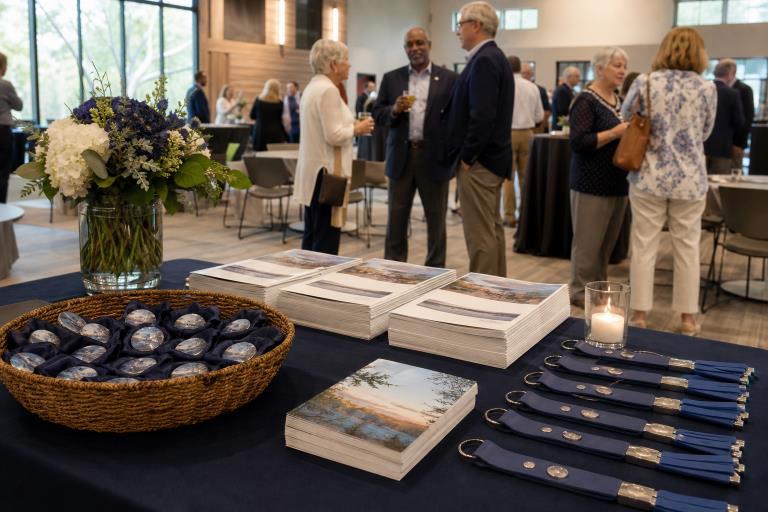
Many events end with attendees carrying home a bag of samples, flyers, and promotional items that never leave the kitchen counter. A practical keepsake has a better chance of becoming part of daily life, whether it lives on a desk, in a vehicle, near a home bar, or in a collection. Usefulness does not have to mean ordinary. It simply gives the item a reason to remain visible after the event memory begins to fade.
For groups seeking a commemorative item with an everyday function, challenge coin bottle openers are one example of a dual-purpose keepsake. Challenge Coin Country creates customizable bottle opener coin designs with options for shapes, finishes, edges, and personalized details. With a Texas-based team in Spring Branch and more than 15 years of industry experience, the company is well-positioned to help organizations turn recognition, milestones, and event themes into useful custom pieces.
Why Practical Keepsakes Stand Out
A giveaway is accepted in the moment. A keepsake earns a place. The difference often comes down to purpose and emotional connection. For example, a functional piece presented at an employee recognition event can remind a recipient of a promotion, shared achievement, or anniversary every time it is used. The best items feel connected to the experience rather than like an unrelated advertisement.
Match the Item to the Audience
Start with the people receiving the item. A military unit, fire department, brewery, alumni association, trade group, and corporate team may all value different symbols, materials, and uses. Consider what recipients already carry, collect, display, or use in their routines.
- Employee events:Choose items that reinforce pride, recognition, or team identity.
- Trade shows:Favor compact pieces that travel easily and remain useful afterward.
- Fundraisers:Tie the design to the cause, local community, or campaign milestone.
- School and alumni events:Use mascots, class years, colors, traditions, or campus landmarks.
- Hospitality events:Consider keepsakes that fit celebrations, guest experiences, and social gatherings.
Give the Keepsake a Clear Job
Before choosing a product, ask one direct question: “How will someone use this after the event?” Apparel can create visibility, drinkware can support routines, tools can solve a small problem, and decorative items can mark an important accomplishment. A keepsake does not need several functions, but it should have one clear job that makes sense for its audience.
Function should support the story, not replace it. A well-designed item can start a conversation, honor service, celebrate a retirement, welcome new members, or reinforce a long-standing tradition. The goal is not to place a logo on every available surface. It is to give people a tangible reminder of a meaningful shared moment.
Use Design Details With Restraint
Shape, color, lettering, finish, texture, and edge treatment all affect whether a keepsake feels thoughtful or crowded. A simpler concept often reads better and appears more polished at actual size.
- Start with one central symbol, message, or visual theme.
- Keep small lettering limited, high contrast, and easy to read.
- Use colors that connect naturally to the organization or event.
- Add a date or location only when it adds lasting meaning.
- Review artwork at the product’s actual size before approval.
Personal touches can make an ordinary item feel specific. Names, unit numbers, sequential numbering, a short phrase, or an inside reference can add significance without overwhelming the design. Not every piece needs every detail. A single well-chosen personalization point is often enough.
Consider Durability and Long-Term Use
Material and construction affect the memory attached to an item. A keepsake that bends, chips, breaks, or quickly loses its finish can disappoint recipients and weaken the impression of the event. Think about where the item will be carried, displayed, handled, or stored, then select a finish and material that suits that setting.
- Check whether the item can handle regular use.
- Ask how artwork and finishes are expected to hold up over time.
- Request proof before approving a large order.
- Confirm production and delivery timing for date-specific events.
Build Sustainability Into the Decision
Waste reduction begins with ordering intentionally. Buy for a realistic audience size, avoid unnecessary extras, and choose something recipients are likely to keep. Recent branded merchandise sustainability research also reflects growing attention to responsible decisions throughout the promotional-products industry.
Sustainability is not limited to a recycled-content label. A durable item used for years may provide more value than a disposable alternative described as green. Ask suppliers about materials, packaging, sourcing, and expected product life, while avoiding environmental claims that cannot be supported.
Use Keepsakes as Part of the Event Plan
How an item is distributed changes how it is perceived. Registration gifts work well for general attendees, while award presentations can make special pieces feel earned. Consider including a short card that explains the symbol, milestone, or story behind the design.
- Provide general attendees with a simple, useful option.
- Reserve premium designs for volunteers, speakers, donors, or honorees.
- Connect the handoff to an award, story, or public milestone.
- Track quantities so leftover inventory does not become waste.
Current event merchandise planning guidance similarly emphasizes audience fit, useful products, restrained branding, and early coordination. Treat the keepsake as part of the guest experience from the beginning, not as a last-minute line item.
Questions to Ask Before Ordering
- Who will receive the item, and what matters to them?
- What should recipients remember when they see or use it?
- Will the item have a practical role after the event?
- Does the artwork remain clear at actual size?
- How many pieces are truly needed?
- Can the supplier provide digital or physical proof?
- What production, shipping, storage, and delivery times are required?
Common Mistakes to Avoid
The lowest unit price is not always the best value. Avoid ordering too many items, adding every logo and slogan to the artwork, selecting a novelty that has no connection to the audience, or skipping the proofing stage. Packaging, storage, and delivery logistics deserve attention as well, especially when items are needed for a fixed-date event.
A Simple Planning Timeline
- Six to eight weeks before:Define the audience, purpose, budget, and quantity.
- Four to six weeks before:Finalize the design and request a proof.
- Three to four weeks before:Approve production details and confirm shipping information.
- One to two weeks before:Inspect the order and prepare distribution plans.
- After the event:Note what recipients used, discussed, or requested for next time.
Conclusion
A memorable event keepsake does not need to be expensive or complicated. It needs to fit the audience, carry a clear meaning, and offer enough usefulness to earn a place in the recipient’s life. In 2026, restrained design, durable construction, responsible ordering, and intentional distribution can turn a simple item into a lasting reminder of a shared occasion.