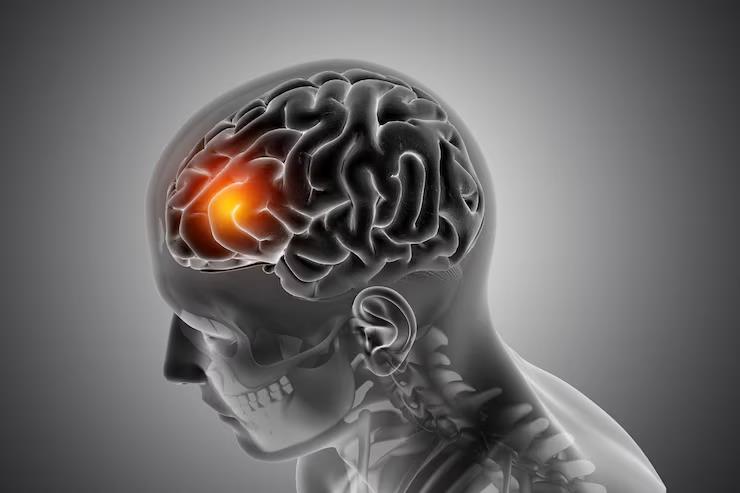
Traumatic brain injuries can be difficult to diagnose because symptoms are not always visible or immediately noticeable after an accident. A person may initially believe they are fine and only experience problems hours or days later.
Brain injuries can also affect people in different ways, making diagnosis more complicated and requiring doctors to consider symptoms, medical history, and the circumstances of the injury. Understanding the effects of a brain injury is important because early symptoms may be mild while the underlying condition can still require medical attention.
Symptoms Can Be Delayed
One of the main reasons brain injuries are difficult to diagnose is that symptoms do not always appear immediately. After a car accident, fall, sports injury, or other head trauma, a person may initially feel normal.
Later, they may develop headaches, dizziness, nausea, confusion, memory problems, or sensitivity to light. Some people may experience changes in mood or have difficulty sleeping.
Because these symptoms can develop gradually, injured people may not immediately connect them to the accident. This can delay medical evaluation and treatment.
Symptoms Are Different for Everyone
No two brain injuries are exactly alike. One person may experience severe headaches, while another may struggle with concentration or memory.
Some symptoms may affect physical abilities, while others affect emotions or thinking. A person may become more irritable, feel unusually tired, or have difficulty completing tasks that were previously easy.
The variety of possible symptoms can make it difficult for doctors to quickly identify the exact type or severity of an injury.
Imaging Tests May Not Show Every Injury
CT scans and MRIs can help doctors identify certain brain injuries, including bleeding or major structural damage. However, some traumatic brain injuries do not appear clearly on standard imaging tests.
A concussion, for example, can affect brain function even when a scan does not show obvious damage. Doctors may need to rely on symptoms, neurological examinations, and follow-up evaluations.
This is one reason why an initial normal scan does not always mean that a person has no brain-related injury.
Symptoms Can Look Like Other Conditions
Many symptoms linked to traumatic brain injuries can also be caused by other health conditions. Headaches, fatigue, anxiety, poor sleep, and difficulty concentrating can result from stress or other medical problems.
This can make it harder to determine whether symptoms are related to a recent accident or another cause. A detailed medical history can help healthcare providers better understand the situation.
Long-Term Monitoring May Be Needed
Some people recover from a mild brain injury relatively quickly, while others experience symptoms for a longer period. Continued medical care may help identify changes in a person’s condition.
Medical records can also become important when a brain injury occurs because of another person’s alleged negligence. They may document symptoms, treatment, and how the injury affects daily life.
Under Florida Statutes §768.81, responsibility for damages in negligence cases may depend on the specific facts and the conduct of the parties involved.
Key Takeaways
- Brain injury symptoms may not appear immediately.
- Different people can experience different symptoms.
- Standard imaging tests may not identify every injury.
- Symptoms can be confused with other medical or emotional conditions.
- Follow-up care can be important when symptoms continue or change.