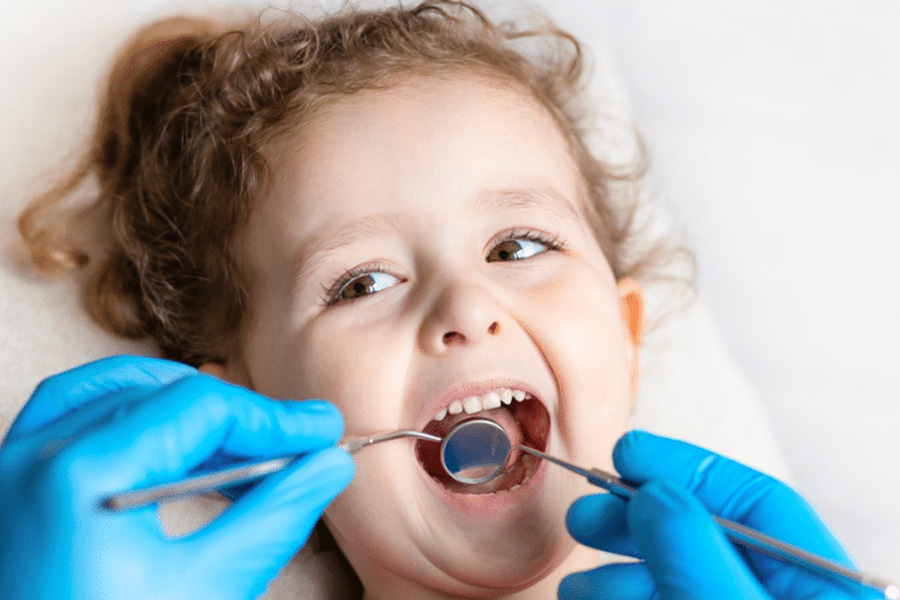
You noticed something around your child’s baby tooth crown and your mind went straight to the worst case. That reaction makes sense. A crown usually feels like the problem was already handled, so seeing a dark line, a soft spot, gum swelling, or hearing your child say it hurts can feel confusing and frustrating. If you’re concerned, seeking professional children’s dental care in Crenshaw can help you understand what’s going on and what to do next.
New decay around an existing baby tooth crown does happen, and it does not always mean the crown failed or that you did something wrong. Food and plaque can collect at the edge where the crown meets the tooth. If that margin leaks, if the crown gets loose, or if decay starts on a different part of the tooth near the gumline, bacteria can keep working under the surface. A pediatric dentist checks whether the tooth can still be saved, whether the crown needs to be replaced, or whether the tooth is too damaged and needs another plan.
Pediatric dentists look at the whole tooth, not just the crown
A baby tooth crown covers and protects a tooth that was already weak from decay, fracture, or enamel defects. The crown is strong, but the natural tooth underneath is still the part at risk. That is why decay around a baby tooth crown needs a close exam, often with X rays and a careful check of the gums, bite, and crown fit.
The dentist is usually trying to answer a few direct questions. Is the decay limited to the margin. Has it reached the nerve. Is the crown still sealed. Is there infection in the gums or bone. Is the baby tooth close to falling out on its own, or does it still need to stay in place for years to guide the adult tooth?
This matters because treatment is not one size fits all. According to the National Institute of Dental and Craniofacial Research, tooth decay remains one of the most common chronic conditions in children. You can review the broader data on dental caries in children. A crowned baby tooth is still part of that picture, especially if daily brushing has been hard, snacks are frequent, or the child has deep grooves, dry mouth, or a history of early childhood decay.
Treatment depends on how far the new decay has spread
Sometimes the fix is simple. If the crown is loose or defective but the remaining tooth structure is still sound, the pediatric dentist may remove the crown, clean out the new decay, and place a new crown. Stainless steel crowns are widely used in pediatric restorative care because they protect high risk baby teeth well. The American Academy of Pediatric Dentistry outlines that approach in its guidance on pediatric restorative dentistry.
If the decay has moved deeper, the dentist may need to treat the nerve space first. That can mean a pulp therapy procedure, then a new crown if enough healthy tooth remains. If infection is present, your child may show pain when chewing, nighttime pain, swelling, or a small pimple on the gum. In that case, the goal shifts from simple repair to stopping infection and protecting the developing adult tooth underneath.
There are times when the tooth cannot be saved. If decay has destroyed too much structure, if the root is breaking down, or if infection is advanced, removal may be the safest choice. Parents often feel discouraged hearing that after a crown was already placed, but extraction can still be the right treatment when keeping the tooth would cause more pain or damage.
This is where a pediatric dentist treating decay around crowns earns your trust. The visit is not just about filling a spot. It is about deciding whether preserving the tooth still helps your child more than removing it.
Signs that need prompt treatment after a baby tooth crown
You do not need to wait for severe pain to call. A dark line at the edge of the crown, food trapping, bleeding gums around one crowned tooth, bad breath that keeps coming back, sensitivity to cold, or a crown that looks shifted all deserve attention. Crowns can also come loose without obvious pain, and that gives bacteria room to spread.
If your child had a crown placed months or years ago and now avoids chewing on that side, that change matters. Kids often adapt quietly. They chew on one side, eat softer foods, or stop complaining after the first few days, and the tooth keeps getting worse underneath.
Practical differences between monitoring, repair, and removal
| Situation | What the pediatric dentist may do | Main goal |
| Minor leakage or small new decay near crown edge | Remove crown, clean decay, place a new crown | Save the tooth and restore the seal |
| Deeper decay close to or into the nerve | Pulp therapy plus a new crown if tooth is restorable | Control pain and keep the tooth functional |
| Large infection, major breakdown, or poor remaining tooth structure | Extract the baby tooth, then consider space maintenance if needed | Stop infection and protect future tooth alignment |
| Crown looks suspicious but no clear decay found | Exam, X rays, close follow up, home care changes | Catch problems early without overtreatment |
If you want context on how dentists evaluate and manage caries progression, this clinical overview of dental caries explains the disease process in plain terms. The short version is that cavities are active bacterial damage, not just stains, and they keep moving unless the source is controlled.
Three steps you can take right away
Book an exam when you notice a change. A crowned baby tooth with new symptoms should not sit on a watch list at home for weeks. Early treatment often means a simpler fix.
Keep the area clean even if it is tender. Brush gently along the gumline twice a day with fluoride toothpaste. Plaque around the crown margin feeds the decay process. If flossing is possible, help your child do it carefully.
Track what your child is feeling. Write down pain with cold, chewing, bedtime, swelling, or loose crown movement. Those details help the pediatric dentist decide whether this is a simple replacement, pulp treatment, or extraction case.
Early care gives your child the best chance of a simpler fix
Seeing new trouble around a crown can make you feel like you are back at the beginning, but you are not. You already know there is a problem, and that puts you in a stronger position than waiting until your child is in real pain. How Pediatric Dentists Treat New Decay Around An Existing Baby Tooth Crown comes down to one thing. They assess how much healthy tooth is left, stop the decay, and choose the treatment that protects your child’s comfort and developing smile.
If something about the crown looks off or your child has started chewing differently, schedule a visit with a pediatric dentist soon.