A roof replacement is a major home project, but it does not have to become a crisis. Planning gives you time to assess your roof’s condition, compare materials, and evaluate contractors before a small issue turns into interior water damage. Homeowners considering roof replacements should focus on long-term protection, not just the initial price. Your roof works as a system. Shingles or panels are only the visible layer. Flashing, underlayment, decking, drainage, attic insulation, and ventilation all influence how well the roof protects the home. A thoughtful plan can help avoid delays, unexpected change orders, and preventable damage to landscaping or outdoor belongings.
Why Roof Replacement Planning Matters
Delaying a necessary replacement can allow water to move beyond the outer roofing material and affect decking, insulation, ceilings, or framing. For example, a homeowner may notice a small stain on the ceiling after a storm and then postpone an inspection because it appears dry. If the source remains active, the next heavy rain can create a much more expensive repair. Early planning creates options, while emergency work often narrows them.
Signs That a Roof May Need More Than a Simple Repair
One missing shingle does not automatically mean the entire roof needs replacement. The important question is whether the issue is isolated or part of a broader pattern of wear. Watch for these warning signs from the ground and inside the home:
- Recurring leaks or new water stains on ceilings and walls.
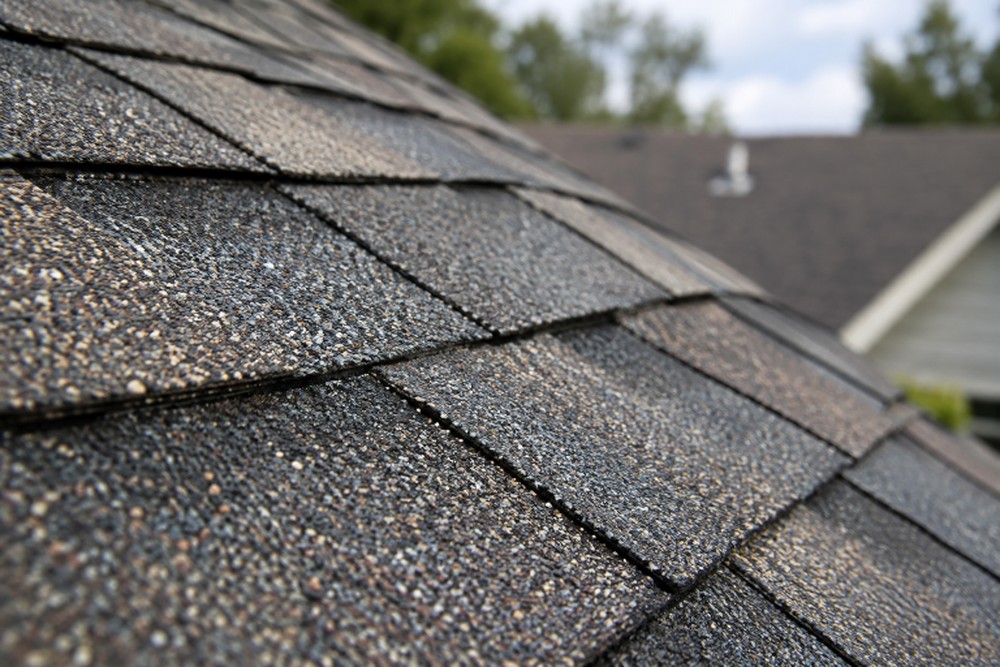
- Shingles that are curling, cracking, blistering, or losing substantial granules.
- Sagging or uneven areas along the roofline.
- Daylight visible through the roof deck from the attic.
- Damp insulation, musty odors, or visible signs of moisture in the attic.
- Wind, hail, ice, or fallen-tree damage affecting multiple roof areas.
Repair or Replacement: How to Make the Call
Age is important, but it is not the only factor. A newer roof with isolated storm damage may be repairable, while an older roof with repeated leaks and broad material deterioration may be nearing the end of its practical service life. Consider the size of the damaged area, prior repairs, the condition beneath the surface, and your plans for the home. A qualified inspection should guide the final decision. Avoid climbing onto a roof that is wet, steep, damaged, or unfamiliar. A safe inspection should include visible materials, flashing around chimneys and vents, roof decking, attic conditions, gutters, drainage paths, and evidence of storm damage. Ask for written findings, photographs, and a clear explanation of what is urgent versus what can be monitored.
Roofing Materials to Compare
Asphalt Shingles
Asphalt shingles remain a common residential choice because they are available in many colors, profiles, and price ranges. Product quality varies, so compare the specific shingle line, underlayment, flashing details, and warranty terms instead of relying on the word “asphalt” alone.
Metal Roofing
Metal roofing can provide a long service life and strong weather resistance when properly specified and installed. It usually has a higher initial cost than many shingle systems. Homeowners should also discuss panel style, finish, fastener details, sound expectations, and snow or rain management where relevant.
Tile, Slate, and Premium Materials
Tile and slate can offer a distinctive appearance and long-term durability, but they may require additional structural considerations due to their weight. Installation and future repairs can also require specialized labor. Confirm that the home can support the selected material before committing to a design.
Cool Roofing Options
Reflective roofing can reduce heat absorption in appropriate climates. According to ENERGY STAR, solar reflectance and thermal emittance are important considerations when selecting a cool roof. Because climate, insulation, heating needs, and roof color all matter, evaluate this option as part of the entire home energy plan.
How to Build a Realistic Roof Replacement Budget
Compare complete project scopes rather than focusing only on the price of shingles or panels. A detailed budget should account for roof size and complexity, pitch, site access, tear-off and disposal, underlayment, flashing, ventilation, permits, cleanup, and repairs to damaged decking or framing. Features such as skylights, chimneys, gutters, and multiple roof levels can also affect labor and materials. Keep a contingency amount for concealed damage that may only become visible after old materials are removed. A low quote is not necessarily a bargain if it excludes necessary work or does not explain how change orders will be approved and priced.
Questions to Ask Before Hiring a Roofing Contractor
- Is the company properly licensed and insured where required?
- How long has it worked in the local area, and who will perform the installation?
- Which exact materials, flashing methods, and ventilation components are included?
- How will hidden damage be documented, approved, and priced?
- Who handles permits, inspections, cleanup, and disposal?
- What do the artistry and material warranties cover?
- How will vehicles, plants, outdoor furniture, and pets be protected during the tear-off?
How to Compare Estimates and Reduce Waste
Request written, itemized estimates from more than one qualified contractor. Compare the exact material grade, removal of existing layers, disposal, allowances for deck repairs, payment schedule, cancellation terms, and expected project length. Be cautious when an estimate is dramatically lower than comparable proposals but provides few details. Ask how old materials will be handled. Disposal and recycling options depend on the roofing material, local rules, and available facilities. The EPA explains that asphalt roofing shingles are included among construction and demolition materials that may have recovery options where appropriate markets and services exist.
Timing, Process, and Common Mistakes
Temperature, rain, wind, snow, daylight, and contractor availability can all influence scheduling. Plan when possible, but address active leaks, sagging, or storm damage quickly. During the project, expect site preparation, tear-off, deck inspection, installation of underlayment and flashing, new roofing installation, cleanup, and a final walkthrough. Common mistakes include choosing only the lowest bid, overlooking attic ventilation, relying on verbal promises, assuming insurance will cover every problem, and failing to save permits, invoices, warranties, and inspection records. Keep all documents together for future maintenance, insurance questions, or a home sale.
Final Checklist for a Smoother Roof Replacement
- Schedule an inspection and determine whether repair or replacement makes better long-term sense.
- Set a practical budget that includes a contingency for concealed damage.
- Compare materials based on climate, home design, budget, and expected performance.
- Review detailed estimates, contractor credentials, warranties, and payment terms.
- Confirm project timing, property protection, cleanup, and disposal plans in writing.
Conclusion
A roof replacement is easier to manage when it is treated as a planned investment rather than an emergency response. A careful inspection, a realistic budget, suitable materials, and a detailed contractor agreement can protect the home and make the project far more predictable. Homeowners should begin by assessing the roof’s current condition, identifying recurring problems, and determining whether repairs are still practical or a full replacement is necessary. Comparing material options, warranties, installation requirements, and long-term maintenance needs can also help clarify the overall cost. Before work begins, confirm the project timeline, payment schedule, cleanup responsibilities, and procedures for handling unexpected issues with the contractor. It is also helpful to plan for temporary disruptions around the property while old roofing materials are removed and new components are installed. By addressing these details early and maintaining clear communication throughout the process, homeowners can make informed decisions, reduce avoidable surprises, and prepare for a roof that meets the property’s needs for years to come.