If you’re thinking about booking a medical spa treatment, you’re not alone. Places like St. Louis have seen a sharp rise in demand for services that sit between classic spa relaxation and clinical cosmetic care. That mix can be appealing, but it also means you need to know what you’re signing up for. A polished lobby and cucumber water won’t tell you much. The real clues are in the credentials, consultation process, and treatment planning.
Understand what a medical spa actually does
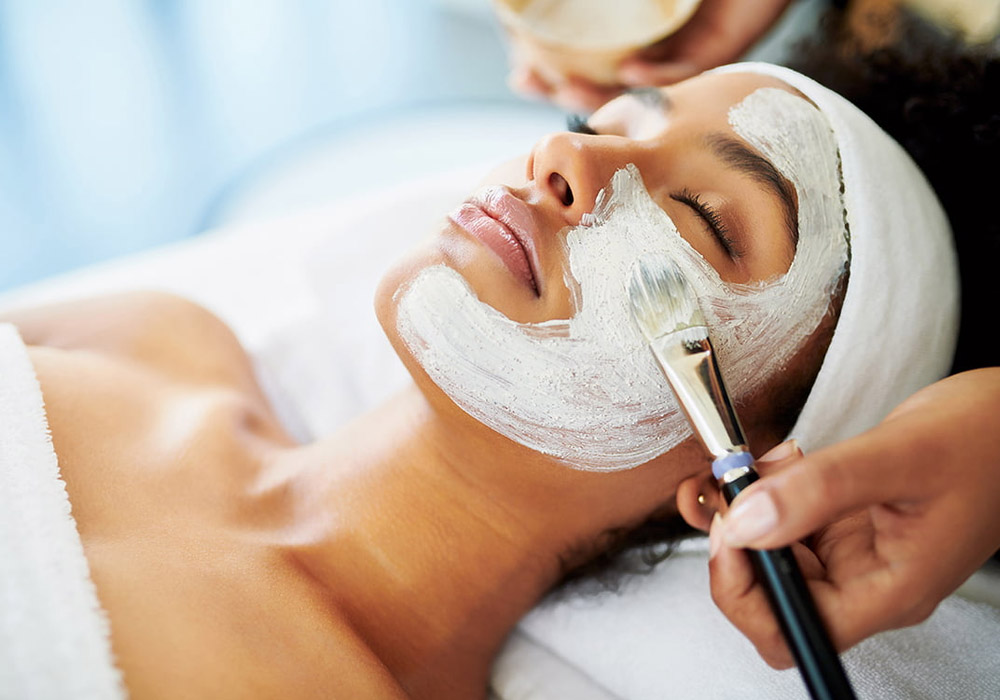
A medical spa blends aesthetic treatments with medical oversight. You’re not just getting a fluffy robe and soft music. You may be considering services like Botox, dermal fillers, laser resurfacing, microneedling, chemical peels, or body contouring.
Those treatments affect your skin, tissue, and recovery time in ways that go beyond a standard facial. That means the provider’s qualifications matter more than the décor, no matter how photogenic the waiting room looks on Instagram.
When you book a visit to a medical spa in St. Louis, pay attention to whether the business clearly explains its services, who performs them, and what level of supervision is involved. Medical aesthetics can produce strong results, but they aren’t casual beauty add-ons. You should treat the decision with the same care you’d give any health-related appointment.
Check credentials before you check prices
It’s tempting to start with package deals and promotional discounts. Everyone likes a bargain, but your face is not the ideal testing ground for budget roulette. A lower price can sometimes reflect limited experience, rushed consultations, or outdated equipment.
Look for a licensed medical professional overseeing treatments. Depending on the service, that may include a physician, nurse practitioner, physician assistant, or registered nurse working within state rules. You should also check whether the provider has specific training in the treatment you want.
Good med spas make credentials easy to find. They don’t hide behind vague phrases like “expert team” without naming names. If a practice is confident in its staff, it will usually share professional backgrounds, certifications, and areas of focus. If the details are oddly slippery, take the hint.
Expect a real consultation, not a sales pitch
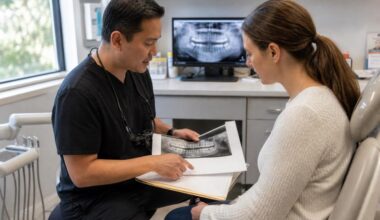
A quality consultation should feel personalized, thorough, and honest. You should be asked about your medical history, allergies, medications, past cosmetic treatments, and skin concerns. If someone skips straight to selling a package before learning anything about you, that’s a red flag wearing business casual.
You also want a provider who discusses whether you’re a good candidate. Not every treatment fits every skin type, schedule, or goal. For example, laser treatments may require downtime and extra sun protection. Injectables may need maintenance. Chemical peels can vary wildly in strength and recovery.
A useful consultation sets expectations clearly. You should hear what the treatment can do, what it can’t do, how many sessions may be needed, and what side effects are possible. If the promised results sound suspiciously flawless, your skepticism is doing its job.
Ask about safety protocols and equipment
Medical spas use devices and products that should be handled with precision. That includes lasers, radiofrequency tools, injectables, and prescription-strength skincare. In practical terms, safety isn’t just a legal checkbox. It directly affects your outcome.
Ask how equipment is maintained, whether treatments are tailored to your skin tone and condition, and what happens if you have an adverse reaction. You should also find out who is present during procedures and whether a medical professional is available if something goes wrong.
Cleanliness matters, but don’t stop at “the place looked nice.” A beautiful reception desk tells you very little about sanitation standards in treatment rooms. You want organized procedures, proper storage of products, documented consent forms, and detailed aftercare instructions. Good med spas don’t wing it. They operate with systems, because skin and guesswork are a terrible combination.
Match the treatment to your actual goals
A lot of people walk into a med spa saying they want to look “better” or “more refreshed.” Fair enough, but that’s too vague to guide treatment well. You’ll get better results when you can describe what you’re noticing. Is it acne scarring, uneven texture, volume loss, pigmentation, fine lines, or dullness?
Specific goals help providers recommend options that make sense. Someone bothered by sun spots may need a different approach than someone focused on early wrinkles. A person preparing for prom, graduation photos, or a wedding may also need a different timeline than someone planning a long-term skincare strategy.
You should be careful with trend-driven requests too. Just because a treatment is viral doesn’t mean it fits your face, budget, or recovery tolerance. The best provider won’t push you toward what’s popular. They’ll focus on what aligns with your features and goals.
Know the difference between instant results and long-term maintenance
Some med spa treatments produce quick visible changes. Others work gradually over several sessions. That difference matters a lot when you’re budgeting time and money.
For example, fillers may create volume quickly, while collagen-building treatments like microneedling or certain energy-based procedures can take weeks to show full improvement. Acne treatments may require a steady plan, not one dramatic appointment. Skincare products recommended after treatment can also become part of the long game.
You should ask how long results tend to last, how often touch-ups are needed, and whether maintenance is optional or expected. That keeps you from getting stuck in a cycle of surprise follow-up costs. A treatment that seems affordable upfront can become expensive if it only works with frequent upkeep. Sustainable results usually come from realistic planning, not impulse booking.
Pay attention to reviews, but read them intelligently
Online reviews can be helpful, but they need context. A flood of five-star ratings with no detail isn’t always as reassuring as it looks. Look for comments that mention professionalism, consultation quality, cleanliness, follow-up care, and whether results matched expectations.
Before-and-after photos can also help, especially when they show subtle, consistent work across different skin concerns. You want to see outcomes that look skillful, not overdone. If every photo seems aggressively filtered or oddly lit, caution is reasonable.
It also helps to notice how a business presents itself overall. Clear service descriptions, transparent policies, and thoughtful educational content often signal a more serious approach to care. Flashy marketing can pull attention fast, but trust is usually built through details. In aesthetics, the fine print often says more than the slogan.
Make your decision with confidence, not pressure
The right medical spa experience should leave you feeling informed, respected, and comfortable asking questions. You shouldn’t feel rushed into booking same-day treatments or upsold into a stack of services you didn’t ask about.
Take your time. Compare providers. Ask about credentials, customization, safety, recovery, and cost. If one place answers clearly and another sounds evasive, that contrast tells you a lot. Cosmetic treatments may be elective, but the decision process should still be grounded and smart.
A good med spa won’t sell you a fantasy. It will help you make practical choices about your skin, your goals, and your budget. That approach may not feel as flashy, but it usually delivers something much more useful: results you can actually feel good about.