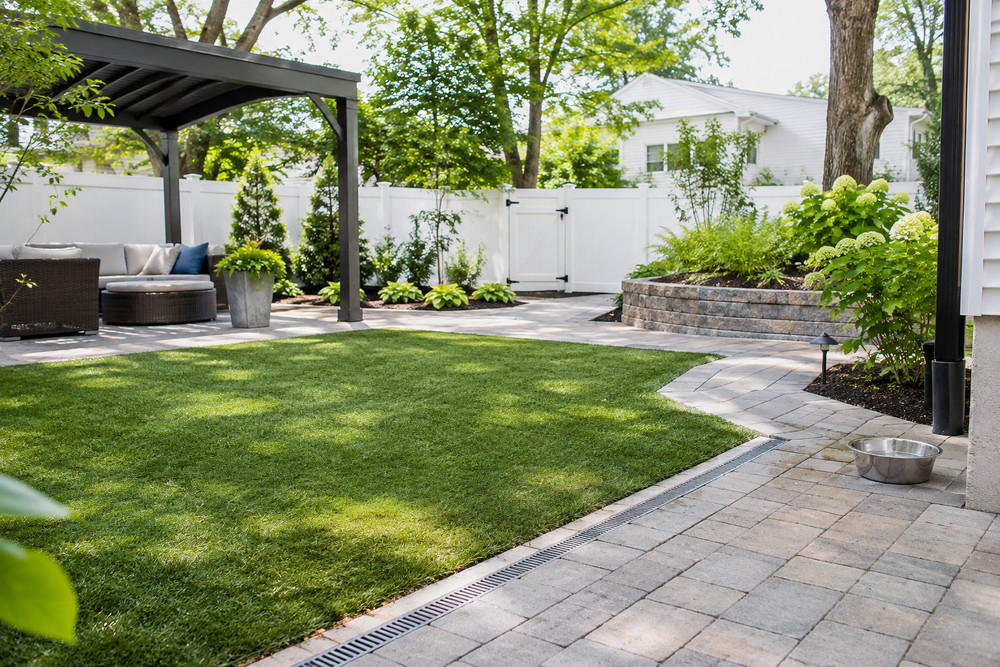
Creating a practical yard in New Jersey starts with more than picking a surface that looks good in a showroom. Families need room for dogs, children, outdoor meals, gardening, and relaxing, often in the same limited space. For homeowners comparing durable options for frequently used areas, artificial turf in New Jersey is worth researching. ForeverLawn Of South Jersey provides synthetic grass installations for residential and commercial properties, including landscape lawns, play areas, sports spaces, putting greens, and K9 facilities across South Jersey and the wider New Jersey tri-state area. That range of applications makes the company a useful local reference for evaluating surfaces for different uses. The best plan accounts for how people and pets actually move through the yard, as well as sunlight, drainage, seasonal weather, and the amount of upkeep the household can realistically handle. A backyard near the Shore may have different soil and wind exposure than a shaded lot in an established South Jersey neighborhood. Still, the planning process is the same: identify daily needs first, then select materials that support them.
Start With Daily Use
A beautiful yard can still be frustrating if it does not support the people and animals using it. Before drawing a layout, list the activities that happen most often. A dog that runs along the fence on a set route has different needs than a quiet patio used for weekend meals. Children kicking a ball need open space and clear sightlines. Gardening requires access to water, storage, and a place for soil or mulch. Walk outside after rain and again during the busiest part of the day. Note where water lingers, where grass wears thin, where people naturally cut across the yard, and which places receive strong afternoon sun. Separate essential features from occasional ones. A daily dog run, a path from the back door, and a seating area may deserve priority over a feature used only a few times each season.
Map Practical Yard Zones
Dividing a yard into zones makes a mixed-use space feel organized without making it rigid. Even a compact backyard can have distinct areas if paths and boundaries are clear.
- Pet zone: A secure area with water, shade, room to move, and a surface that can be cleaned easily.
- Play zone: An open, visible area away from grills, steps, and planting beds.
- Relaxation zone: Seating or dining near the house, ideally with shade and convenient lighting.
- Planting zone: Beds for shrubs, trees, flowers, or native plants that do not interfere with active areas.
- Service zone: A discreet location for tools, hoses, waste bins, and outdoor storage.
Connect these spaces with intentional routes. A stable path between the door, gate, patio, storage area, and pet space helps prevent worn shortcuts through planting beds or muddy sections of lawn.
Compare Surface Options
Natural Grass
Natural grass can work well for open lawns and casual play when the site has suitable light, soil conditions, and room for mowing. Grass selection should match the location and intended use. Rutgers Cooperative Extension explains that turfgrass selection and soil management are central to building a durable lawn, particularly for properties with shade, heavy traffic, or low-maintenance goals. Natural grass still needs mowing, occasional watering during dry periods, and attention to compacted or thin areas.
Synthetic Turf
Synthetic turf may suit high-traffic pet areas, small yards, or locations where natural grass repeatedly struggles. It should be selected and installed with close attention to drainage, seams, edging, heat exposure, and access for cleaning. It is not maintenance-free, since leaves, pet waste, and other debris still need regular removal.
Mulch, Gravel, and Hardscape
Mulch is useful around trees and in planting beds, while gravel can define paths or support drainage-conscious areas. Both can shift without proper edging. Patios and pavers create stable surfaces for dining, grills, and furniture, but they require proper base preparation and grading to ensure water moves away from the home. Consider comfort underfoot, stability for strollers or mobility devices, and ease of cleaning the surface.
Plan for Drainage and Weather
Drainage should be resolved before installing any finish surface. Watch for low spots after a steady rain, check whether downspouts send water into activity areas, and avoid placing play equipment where the ground remains wet. Hard surfaces should slope away from the home, while grading, drainage layers, or collection systems may be appropriate for persistent water problems. Water-smart planning also means using turf only where it has a clear purpose and matching plants to site conditions. The EPA notes that climate-appropriate grass and watering based on plant needs can reduce unnecessary irrigation. In New Jersey, this approach can help a landscape handle dry stretches without treating every square foot of the property the same way.
Build in Pet and Child Safety
- Use gates with dependable latches, and inspect fences for gaps, loose boards, and sharp hardware.
- Choose stable, slip-resistant materials near steps, entrances, and water bowls.
- Provide shade where children and pets spend time during warm weather.
- Keep fertilizers, tools, and potentially harmful plants away from active areas.
- Add lighting along paths, at gates, on steps, and at elevation changes.
- Keep furniture and grills positioned so play routes remain clear.
Reduce Weekly Maintenance
Simple design choices can prevent recurring work. Design lawns with simple shapes for easier mowing, plant species with comparable sun and water requirements together, and add edging to prevent mulch or gravel from spilling into other areas. Put a hose, waste station, and storage close to where they will be used. Leave enough access for cleaning equipment and future repairs. Inspect high-use areas monthly. Look for loose edging, compacted ground, uneven pavers, drainage changes, and worn spots along pet routes. Regular small corrections are usually easier than waiting for a surface problem to spread.
Know When to Call a Professional
Professional design or installation can be valuable when a yard has standing water, a significant slope, excavation needs, retaining walls, drainage lines, or a large paved area. It is also wise to seek help when comparing surface systems for a heavily used pet area, playground, athletic space, or commercial property. A proper assessment can clarify base preparation, drainage requirements, safe edges, and realistic maintenance expectations before work begins.
Use a Simple Planning Checklist
- What will this space be used for most often?
- Where does water collect after rain?
- Which areas receive full sun, partial shade, or deep shade?
- How much weekly maintenance is realistic for the household?
- Will pets, children, guests, or mobility devices use the area?
- Where should seating, storage, water access, gates, and lighting go?
- Which areas need a soft surface, stable footing, or easy cleaning?
- Which parts require professional planning or installation?
Final Thoughts
A low-maintenance New Jersey outdoor space does not need to be complicated or require constant attention to remain attractive and functional. Start by considering daily habits, household needs, and how the yard will be used throughout the year. Identify potential drainage problems, uneven surfaces, poor lighting, and other safety concerns before making changes. From there, choose durable, weather-appropriate materials and landscaping features that can handle seasonal conditions without demanding excessive upkeep. Creating clear zones for gardening, recreation, pets, seating, and entertaining can also make the property easier to organize and maintain. Consider practical details such as storage, pathways, outdoor lighting, and plants that suit the local climate. It is equally important to establish realistic maintenance expectations, including regular cleaning, seasonal inspections, and occasional repairs. With thoughtful planning and suitable design choices, a New Jersey yard can remain welcoming, manageable, and useful for pets, children, guests, and everyday activities in every season.